Introduction
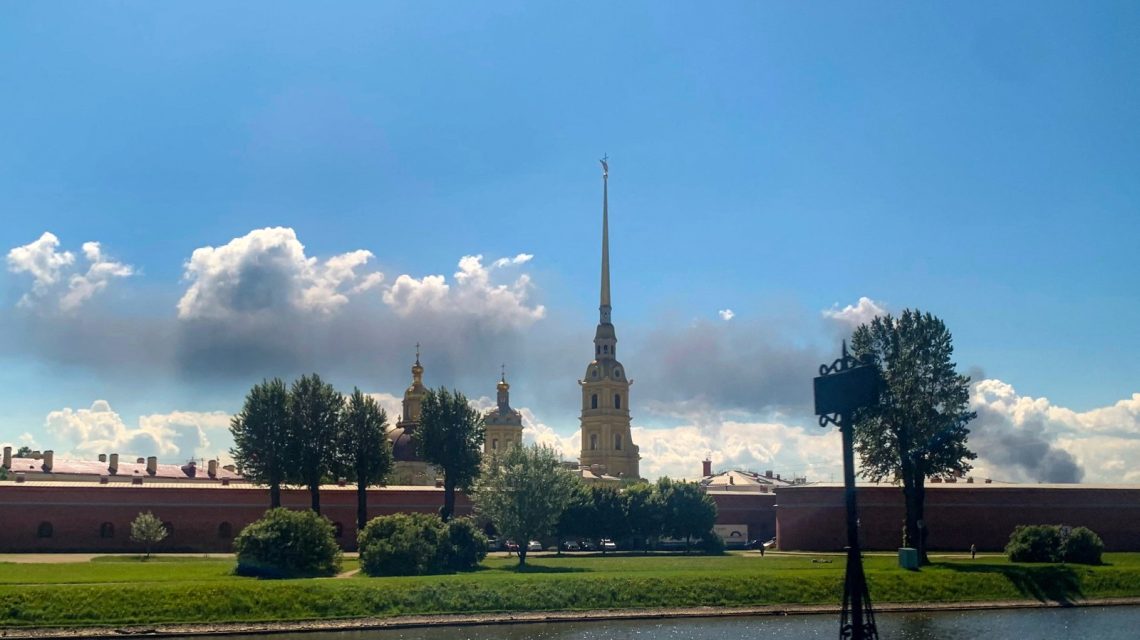
The St. Petersburg International Economic Forum (SPIEF) opened as Ukrainian drones targeted a nearby oil terminal. This annual forum, often likened to the International Economic Forum as “Putin’s Davos,” is hosting around 20,000 guests from 130 nations in Vladimir Putin’s hometown.
Ukrainian Drone Strikes
The forum began under dire circumstances, with black smoke filling the sky due to drone strikes on Russia’s infrastructure. These strikes damaged oil storage facilities, producing loud explosions and significant smoke over St. Petersburg.
Targeted Oil Terminal
The affected oil terminal is situated at St. Petersburg’s Great Port on the Gulf of Finland. Being one of Russia’s largest fuel storage sites, its throughput is estimated at 12.5 million tons annually. Ukraine’s various military units were reported to be responsible for the strikes.
Russian Response
Russian authorities stated that air defenses intercepted 59 drones overnight. Three districts endured hits, yet there were no reported fatalities. Kremlin spokesman Dmitry Peskov remarked that Russia’s responses would be systematic. Mobile networks were interrupted, and the city’s Pulkovo Airport faced temporary closure.
Ukraine’s Perspective
President Volodymyr Zelensky regarded the strike as part of Ukraine’s “long-range sanctions,” emphasizing the significant distance from Ukraine’s border to the facility. Additional strikes hit the Kronstadt naval base, affecting regions hosting Russia’s Baltic fleet.
Analysis of Recent Strikes
Ukraine intensified its drone strikes deep into Russian territory. Moscow retaliated with a large drone and missile strike, linked by analysts to their challenges in achieving battlefield advances. Recent strikes in Kyiv and Dnipro led to 21 fatalities.
Yuriy Boyechko, CEO of Hope for Ukraine, commented that Russia’s shift towards civilian targets highlights their battlefield setbacks. He views this strategy as evidence of Moscow’s military frustrations.
Notable Attendees
This year marks the attendance of Rodney Mims Cook Jr. from the U.S. Fine Arts Commission. Though not part of an official delegation, he represents the first U.S. official presence in years. Other notable guests include politicians from Germany’s Alternative for Germany and far-right figures like Candace Owens. Former German Chancellor Gerhard Schröder and influencer Andrew Tate were seen in Moscow, but their attendance is unconfirmed.
International figures such as the presidents of Uzbekistan and Tanzania, along with the Chinese vice-president and Saudi oil minister, will be speaking at SPIEF.
 Federal Appeals Court Decision Against Trump’s ‘Third-Country’ Deportation Policy
 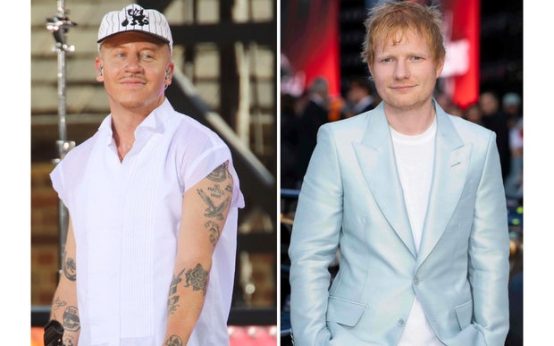 Ed Sheeran’s Philadelphia Concert Amid Controversy
 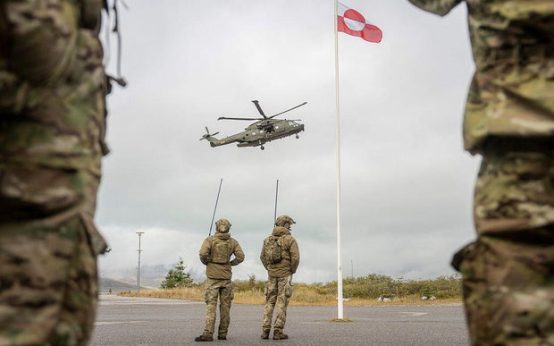 U.S. Secures Strategic Control Over Greenland
 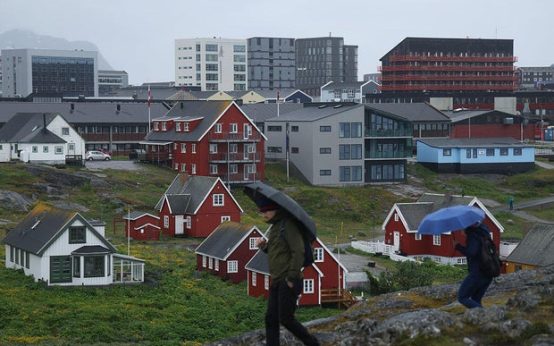 U.S. Security Agreement in Greenland Sparks Optimism and Concerns
 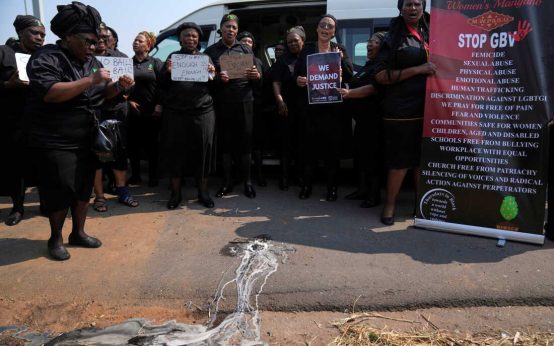 Impact of Gender-Based Violence in South Africa
 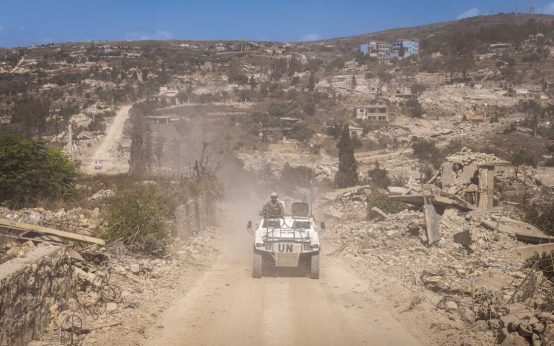 UNIFIL Operations in Southern Lebanon Amidst Ceasefire Challenges