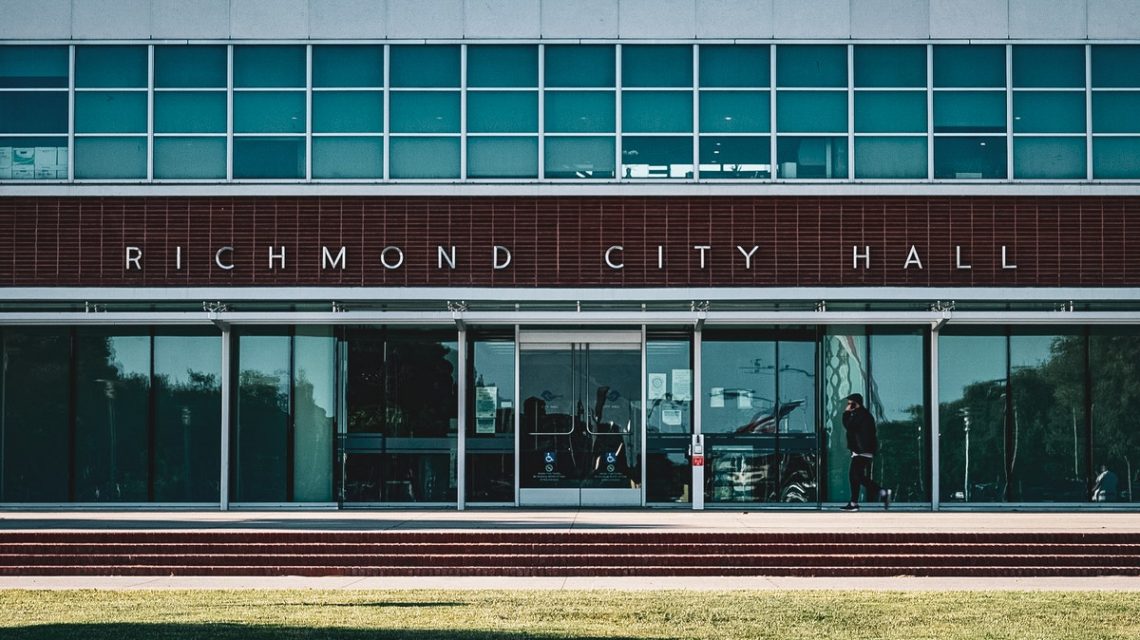
Just a short drive from San Francisco lies Richmond, California, a city that has emerged as a notable political experiment in the U.S. Unlike typical working-class cities, Richmond’s political scene is shaped by an activist group known as the Richmond Progressive Alliance (RPA). Formed in the early 2000s, the RPA has significantly influenced the local government.
Richmond resembles other Californian cities with its large Chevron refinery and immigrant-owned businesses. However, its political landscape sets it apart. The RPA was established to challenge corporate influence and advocate for issues like fair housing and rent control. Over time, its role in the city’s governance has grown, raising concerns among some residents about its impact on local businesses and economic development.
The RPA challenges business-dominated politics, providing marginalized communities a voice in shaping their future.
Current mayor, Eduardo Martinez, aligned with the RPA and the Democratic Socialists of America, leads a progressive-leaning city council. He emphasizes environmental justice and reducing corporate sway. Critics argue the city’s approach is unfriendly to businesses, impacting both large corporations like Chevron and local enterprises.
Tom Butt, a former long-serving city council member and mayor, noted the city’s political shift. Initially resistant to the RPA, he eventually acknowledged its contributions to addressing issues like climate change. However, he expressed concern over the city’s evolving stance on business, particularly towards entities like Chevron, a significant tax contributor.
While the RPA claims credit for holding Chevron accountable, some warn of potential economic fallout. Kevin Brown, once the president of Riggers Loft Wine Company, experienced these tensions firsthand. After transforming a historic site into a thriving business, he faced eviction following a rent dispute with the city. Brown believes the city’s actions were emblematic of an anti-business sentiment.
Martinez contests such views, asserting that Richmond supports responsible business practices. He argues that criticism often arises from those causing or failing to prevent harm to the community. Despite this, local business figures like Angel Ramirez, representing small enterprises on 23rd Street, voice frustrations with bureaucratic hurdles.
The situation in Richmond is not unique, with similar debates occurring nationwide. Business owners argue that ideology overshadows practical concerns, challenging the city’s approach to governance.
Despite disagreements, Mayor Martinez views Richmond as a model of grassroots democracy and inclusive governance. He believes the city exemplifies the true essence of government by and for the people.
 Lukashenko and Putin’s Unique Relationship and Belarus’ Strategic Role
  Harris Discusses Potential 2028 Presidential Run
  Far-Left Groups Allegedly Organize Protests in Austin
  Michigan Senate Nominee Abdul El-Sayed Criticized for Remarks on Reproductive Rights
 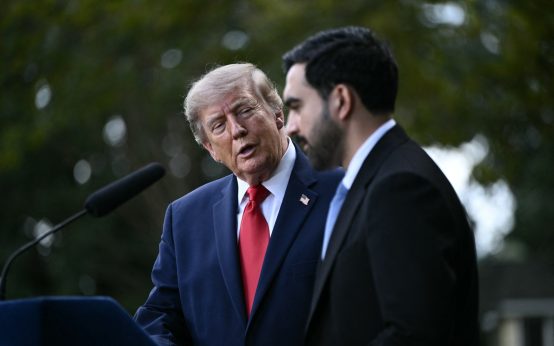 Poll Reveals Voter Preferences Between Socialist Democrats and MAGA Republicans
  Challenges of Electing a Female President: Insights from ‘The View’