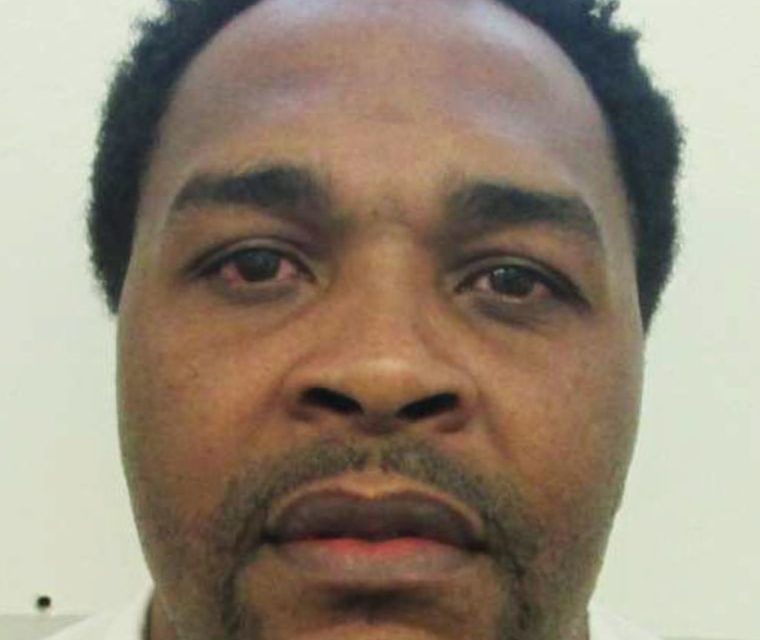
A death row inmate’s scheduled execution in Alabama was halted when a federal court ruled against the use of nitrogen gas, citing constitutional concerns. Jeffery Lee, incarcerated for nearly 30 years, showed mixed emotions upon hearing the decision. Speaking from the William C. Holman Correctional Facility, Lee expressed relief but remained focused on his legal battle.
Lee, aged 49, emphasized his faith, saying, “Fear not, I am not finished…my faith is everything.” His execution plan was challenged after the 11th Circuit Court of Appeals determined Alabama’s nitrogen gas method violated the ban on cruel and unusual punishment. However, State Attorney General Steve Marshall filed an appeal, likely escalating the case to the Supreme Court, which has previously supported Alabama’s use of nitrogen executions.
Alabama pioneered nitrogen executions in 2024, involving pure nitrogen inhalation. Seven of these occurred in Alabama, and one in Louisiana. The state still primarily relies on lethal injections, facing recent drug supply challenges. Lee contested nitrogen use in August, citing severe anxiety and fear during such executions.
“Indeed, many people find air hunger ‘worse than pain’ because it is associated with the fear of dying,” wrote U.S. District Judge Emily Marks.
Initially, Marks upheld the method, but it was overturned by the Appeals Court, mandating a review of Lee’s request for execution by firing squad. Marks blocked nitrogen execution, but Marshall highlighted challenges with the firing squad, such as potential shooter errors causing suffering.
Previous accounts of nitrogen executions in Alabama described them as agonizing, with individuals gasping for air. A witness to an October execution reported a protracted process lasting 30 minutes. Lee expressed sorrow for executed peers, relating his experiences with them since age 23.
Lee was convicted in 2000 for murdering Jimmy Ellis and Elaine Thompson, and shooting Helen King during a robbery in Orrville, Alabama. Originally sentenced to life without parole, a judge later imposed the death penalty, permissible before 2017’s judicial override ban.
Lee, expressing remorse and claiming redemption through Christianity, said he doesn’t fear death, believing in an afterlife. He hopes his case will prevent similar nitrogen gas executions.
The Death Penalty Policy Project’s director, Robert Dunham, explained that Alabama’s nitrogen execution future hangs on the Supreme Court’s decision. The court previously denied halting a nitrogen execution in October. If Lee’s case progresses, his execution might resume unless Governor Kay Ivey changes his sentence.
Governor Ivey, who has approved 25 executions, has previously commuted two sentences. Her office stated that Alabama’s plan remains unchanged despite the federal ruling. Regardless of the Supreme Court’s decision, the ruling against nitrogen gas highlights concerns about the method’s cruelty.
The state considers lethal injection and electrocution as execution alternatives, while a firing squad’s legality is uncertain. Marks, in her Tuesday ruling, stressed that executions inherently carry pain risks. MiAngel Cody, Lee’s lawyer, believes the case against nitrogen gas remains strong and hopes for clemency from Governor Ivey.
 Prosecutors Oppose Kohberger’s Appeal in Idaho Student Murders Case
  Former Bank CEO Sentenced for Fraud and Sanctions Evasion
  Ohio Murder Trial: Investigators’ Search for Missing Gun
  Alex Murdaugh’s Lawyers Demand Key Evidence Release
  Mississippi Grand Jury Rules No Charges in Nolan Wells Case
  Justice Served as Former Foster Facility Manager Sentenced to 30 Years