The Decision to Hold Rates
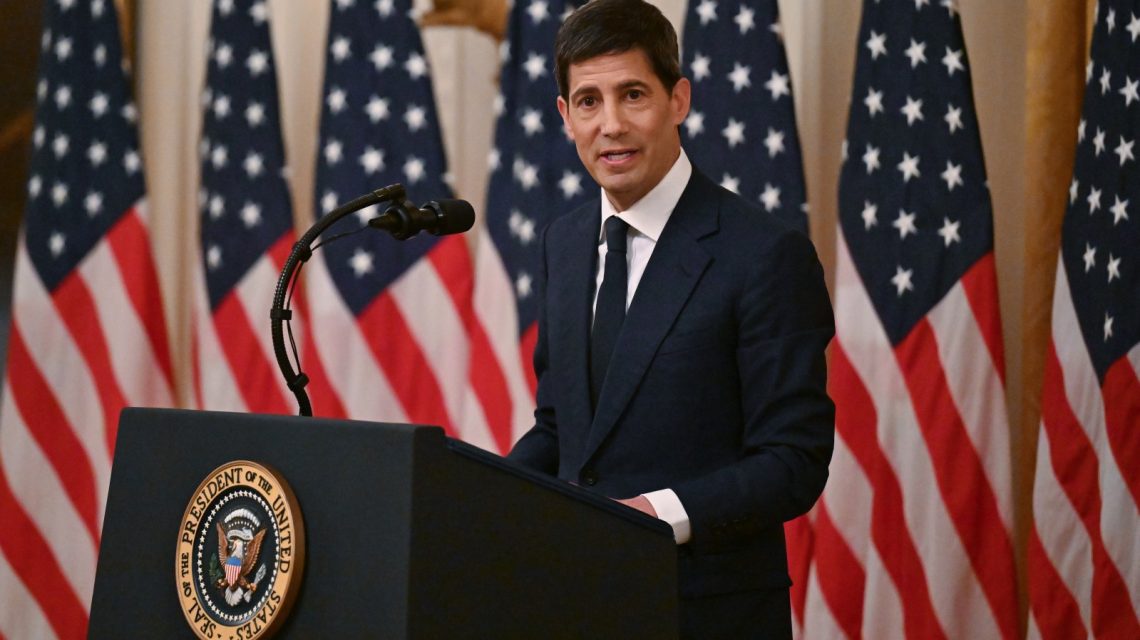
The Federal Reserve decided to hold interest rates steady, marking the first major policy decision under new chair Kevin Warsh. This decision sets the tone for the U.S. economy moving forward, as policymakers navigate persistent inflation pressures and uncertainties.
Warsh’s choice will be closely examined, with Americans increasingly worried about cost-of-living issues. Half of Fed’s policymakers suggest the possibility of a rate hike later in the year. Quarterly projections reveal a shift in sentiment, with nine out of nineteen officials now favoring higher rates.
Six support two quarter-point increases, highlighting growing inflation concerns. Inflation recently climbed to around 4.2%, complicating any plans to lower borrowing costs despite steady rates since 2026.
Impact of Interest Rates
The Fed’s benchmark interest rate influences borrowing costs across the economy. Higher rates cool inflation but raise borrowing costs. Lower rates can boost spending but risk increasing prices.
Because of steady rates, borrowing costs remain elevated. Relief for consumers might be delayed as inflation remains a top concern.
Warsh’s Policy Approach
At his first press conference, Warsh announced five new task forces to reevaluate monetary policy areas. His decision to remove forward guidance from the Fed statement reflects a focus on factual policy findings, aligning with current needs.
Warsh confirmed his commitment to maintain the 2% inflation target, emphasizing unanimity among Federal Reserve members.
New Fed Task Forces
- Fed Communications: Reviewing public interaction methods.
- The Fed’s Balance Sheet: Evaluating portfolio benefits and risks.
- Data Sources: Modernizing economic data collection.
- Productivity and Jobs: Assessing effects of technological advances like AI.
- Inflation Frameworks: Studying inflation drivers.
The Federal Reserve’s Interest Rate Decision
The Federal Open Market Committee (FOMC) voted to keep the benchmark federal funds rate within a target range of approximately 3.50% to 3.75%. Economic activity grows despite uncertainty from international conflicts.
The vote was unanimous, showcasing the Fed’s commitment to maintaining price stability.
Consumer Financial Implications
Steady rates mean borrowing costs stay high. Consumers can expect minimal relief. Many Americans face elevated costs even without new increases.
As inflation proceeds, Warsh’s approach provides no immediate advantage to borrowers or savers, maintaining pressure on those with floating-rate debt.
Kevin Warsh’s Inflation Views
Warsh’s views on inflation are complex, emphasizing price stability while supporting growth. He acknowledges economic policy challenges, advocating for policy clarity and prioritizing inflation control.
Markets closely watch his stance, assessing whether he tightens policy to combat inflation or eases policies to bolster growth.
Consumer Sentiments on Economy
Despite economic strength, consumer sentiment remains weak. Fed data indicates 44% of Americans feel worse off financially compared to last year. Inflation concerns persist among voters.
This disconnect between data and sentiment presents a challenge for experts and policymakers.
Upcoming Interest Rate Decision
The Fed meets eight times per year to decide interest rates. The next meeting is scheduled for July 28-29.
Inflation and growth data will influence future decisions, with Warsh’s leadership impacting policy signals.
If rates rise, consumers will experience higher costs for loans and credit, intensifying financial pressures.