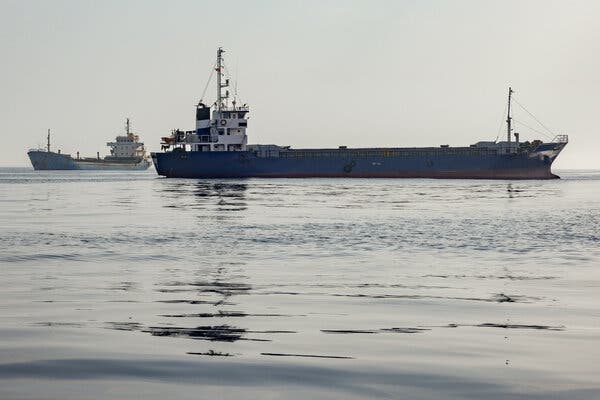
The shipping activity in the Strait of Hormuz has faced interruptions due to conflicting claims from the U.S. military and Iran’s forces. The closure of the strait emerged after the U.S. and Iran reached a preliminary agreement this week to end the ongoing conflict and allow the resumption of traffic through this critical passage.
Traffic in the Strait
On Saturday, activity in the Strait reached a new milestone as reported by the U.S. Central Command. A total of 55 commercial ships passed through the strait, marking the highest number of vessels crossing in a single day since Iran initially closed the strait at the onset of the conflict. However, this figure remains significantly lower than the prewar daily average of 130 vessels.
The progress was short-lived, with Iran’s military announcing the strait’s closure later the same day. This led to confusion regarding the status of shipping activity.
Conflicting Claims
The naval forces of Iran’s Islamic Revolutionary Guards Corps issued warnings indicating potential security risks for ships approaching the strait. In contrast, Capt. Tim Hawkins, a U.S. Central Command spokesman, disputed these claims through a text message. He assured that the strait remains open and that the U.S. blockade against Iran has ended. Moreover, he confirmed ongoing traffic and the monitoring of the situation to facilitate its continuation.
Impact of the Conflict
Throughout the conflict, Iran leveraged the strategic Strait of Hormuz, a vital route for global oil and gas supplies, to exert influence. Even the mere threat of renewed hostilities has had significant impacts on shipping activities.
In recent days, this volatility has manifested as erratic and reduced traffic compared to prewar levels, despite an initial agreement between the U.S. and Iran to reopen the passage.
While operations in the strait resumed, shipping companies remain cautious. They face numerous logistical challenges since many vessels have been stationed in the Persian Gulf for prolonged periods.
 Alan Ritchson Faces Backlash Over Political Remarks
  Himalayan Pilgrimage: A Couple’s Narrow Escape and Lingering Questions
  Former CEO Sentenced for Bank Fraud and Sanctions Evasion
 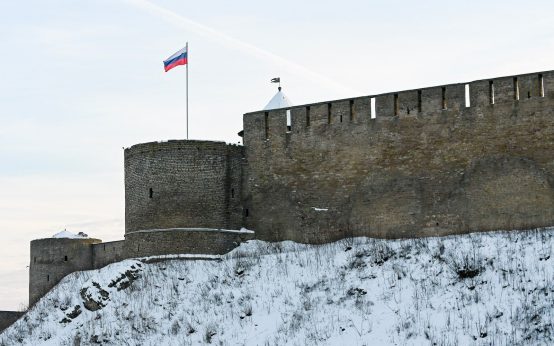 Russia’s Potential Incursion Into Estonia: NATO’s Resilience Under Scrutiny
  Senators Urge Action to Free Imprisoned Journalist in Iran
 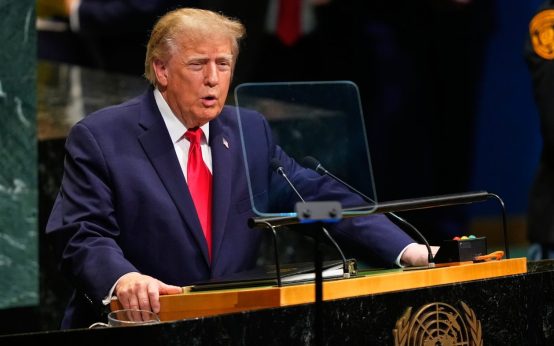 Trump’s Address at UNGA and Key Political Developments