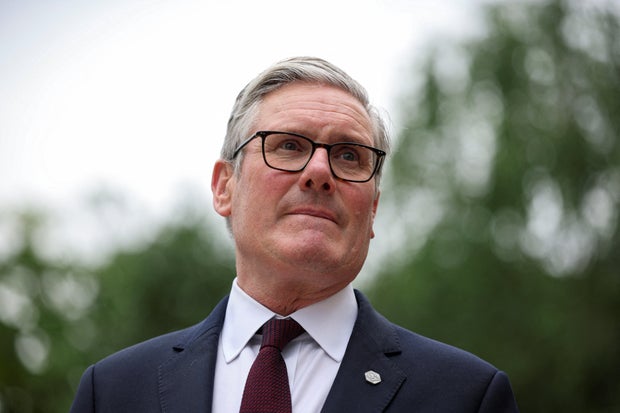
British Prime Minister Keir Starmer has announced his resignation as the leader of the Labour Party, signaling his departure as the country’s leader. The announcement, made on Monday, follows weeks of growing pressure for Starmer to step down.
Internal Party Pressure
Starmer faced increasing challenges from within his own party. Former Manchester Mayor Andy Burnham recently declared his intention to vie for Starmer’s position. Burnham’s move to challenge the Prime Minister intensified after he resigned as mayor and secured a seat as a Member of Parliament. Traditionally, British Prime Ministers are chosen from sitting members of the House of Commons, making Burnham’s election pivotal.
Labour Party’s Leadership Transition
Starmer’s resignation concludes a turbulent period marked by a significant national election victory less than two years ago. However, recent local elections highlighted voter dissatisfaction with his leadership, prompting calls for change within the Labour Party.
“The question my party is asking now is whether I am best placed to lead us into the next election. I have heard the answer… and I accept that answer with good grace,” Starmer stated during a speech at 10 Downing Street.
Starmer, appearing emotional during his address, mentioned his children as his “pride and joy.” He affirmed that his decisions were always aimed at prioritizing the country’s welfare.
This ongoing story will be updated as new information emerges.
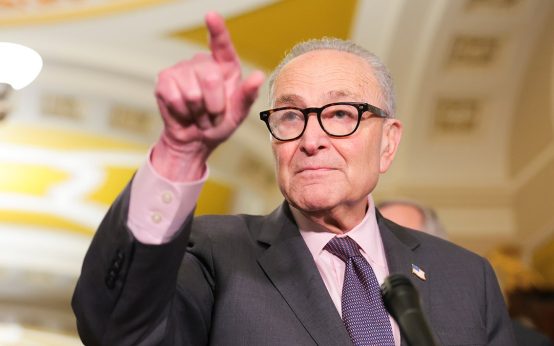 Senate Democrats Block Key Component of SAVE America Act
  Former Child Actress Joins Wisconsin Rep. Francesca Hong’s Campaign
  Growing Debate Over AI Data Centers in U.S. Political Campaigns
 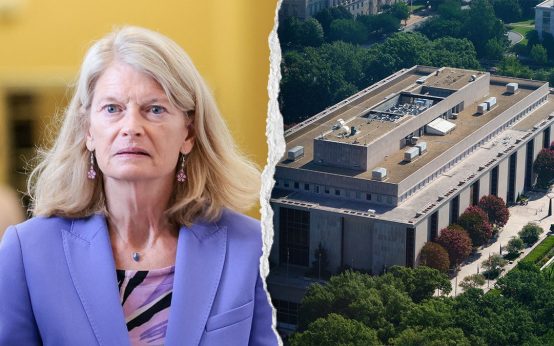 Sen. Murkowski Breaks with GOP on Smithsonian History Teaching Dispute
 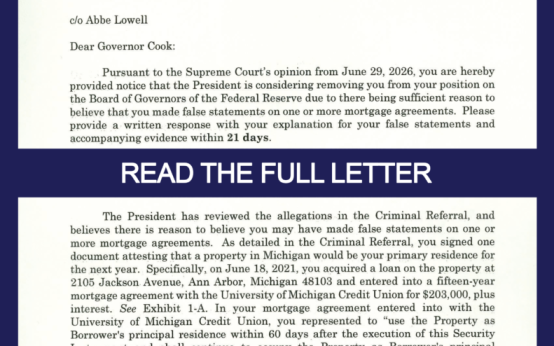 Trump Administration’s Efforts to Dismiss Federal Reserve Governor Lisa Cook Persist
  Democratic Party Ideological Divide: Moderates vs. Progressives