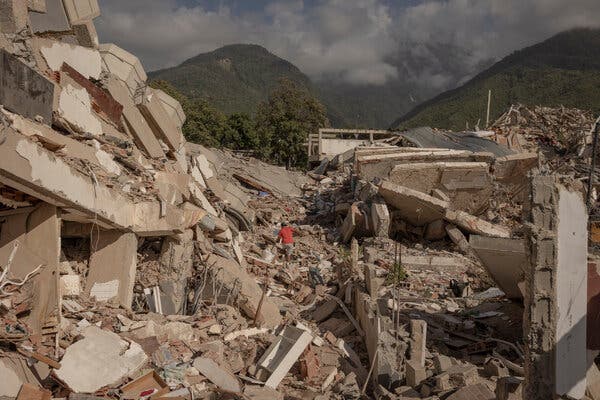
The recent earthquakes in Venezuela have heightened the concerns of healthcare workers about potential outbreaks of diseases like cholera. These fears stem from the destruction of already scarce clean water resources in affected regions.
The disaster’s immediate impact was severe, claiming over 1,900 lives. However, the focus is now on longer-term issues arising from the collapse of vital infrastructure. Clean water systems have been decimated, increasing the risk of diseases such as cholera and typhoid fever.
The water distribution system collapsed as a result of the earthquake,
stated Susana Arroyo, spokeswoman for the International Federation of Red Cross and Red Crescent Societies, in Caracas.
Bottled water is currently the sole option for basic hygiene and cooking in La Guaira, one of the worst-hit areas. This includes tasks like bathing and washing hands. Sanitation facilities have seen similar destruction, with the sewage system in shambles and access to toilets severely limited.
Before the earthquakes, many residents of La Guaira already faced challenges accessing running water, relying heavily on mobile tankers for their day-to-day needs. The earthquake has exacerbated these existing issues.
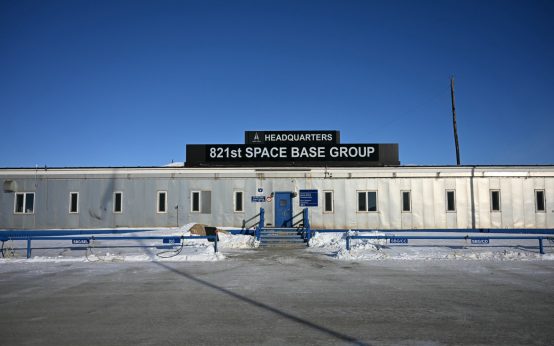 New U.S. Military Bases Planned in Greenland Amid Strategic Security Deal
  Understanding and Addressing the Complexity of Suicide
  Twitch Streamer Hasan Piker Discusses Controversial Commentary
  A Shifting Political Landscape: The Decline of Autocratic Power
 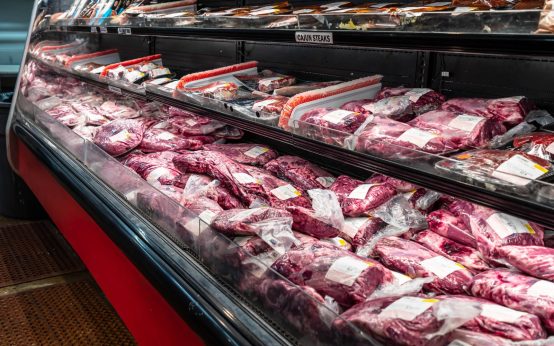 Recall of Meat Products from Star Meat Delivery Inc.
  Trump Delivers Warning to Iran, Cuba at UN General Assembly