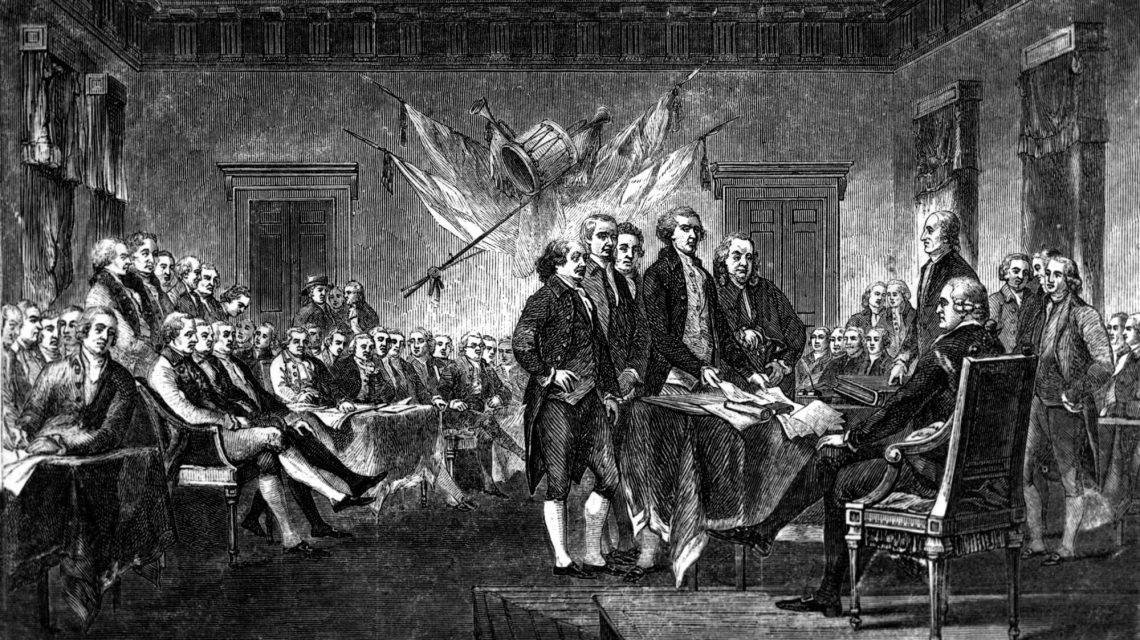
While the original 13 colonies celebrated their independence in 1776, significant developments were unfolding on the West Coast. Though largely unnoticed by the eastern colonies, these events would shape the future of the United States in crucial ways.
The Beginnings in Spanish California
In 1776, mission building in Spanish California was underway. A new San Gabriel mission was being constructed after an earlier mission faced flooding issues. Meanwhile, in the San Francisco Bay, Spanish newcomers held the first mass at what would become Mission Dolores, as the Continental Congress deliberated over the Declaration of Independence in Philadelphia.
This start of mission-building also marked the beginning of difficult times for Native Americans, particularly the Ohlone people. Historian Alec Scott notes that for the Ohlone, 1776 was the onset of many hard years.
By moving inland from Mexico, the Spanish brought not only crosses and soldiers but also diseases that devastated indigenous populations. By the time the United States celebrated its centennial, many native Californians had been greatly affected.
Early Constitutional Influences
California’s constitutional development did not happen until around 75 years later. Influenced by principles from Mexican laws, the early California constitution included more progressive elements than contemporaneous U.S. documents, particularly concerning issues like slavery and women’s rights.
The Mexican Influence
By the 19th century, the Spanish empire had begun to fracture, resulting in independent nations. Mexico’s new constitution outlawed slavery, contrasting sharply with the United States, where slavery persisted legally without explicit mention in the Constitution.
Historically, Mexico’s stance against slavery was both an ethical commitment and a response to the U.S. slave states bordering Mexico. This tension was partly why Texas fought to separate from Mexico.
Radical Rights in Early California
When drafting its 1849 constitution, California instituted forward-thinking protections. Article I, Section 18 explicitly banned slavery, and a year later, California joined the Union as a free state. Despite this, the initial California constitution did not extend voting rights to Black people or Native Americans.
California set a precedent by safeguarding women’s property rights, a departure from English norms which subsumed women’s identities under their husbands. Understanding these dynamics helps comprehend the state’s historical legal landscape.
Complex Identity and Representation
Binding the definition of ‘white’ in California created legal and social complexities. Early California laws allowed Mexican Californians, irrespective of mixed native or African ancestries, to vote. This inclusion contrasted sharply with rigid racial definitions in the U.S., such as the ‘one-drop rule’.
David Hayes-Bautista, a UCLA professor, discusses how the perception of race among Latinos in California differs from other areas. Over centuries, the racial and ethnic fluidity in Latin America shaped California’s early identity, intimately linking with governance and law.
Water Rights and Environmental Legalities
California’s water laws were also distinct. Riparian rights were adapted to local conditions, with early Californians using and altering water sources as needed. This principle transformed into ‘appropriative rights’, still relevant today as cities hold historical rights for water use.
Unlike Eastern states with English-based water laws, California’s rules emerged from necessity. These pragmatic adaptations continue to impact resource management in the state.
California’s early constitution has seen many changes, but its revolutionary aspects, like bilingual documentation, reflect elements central to modern America. As time evolves, so too do the foundational texts and their influences.
 Penn State Fraternity Members Charged in Cocaine Ring Bust
  Orland Park Plans New Traffic and Emergency Measures
  Texas Man Charged with Capital Murder in Shooting of 5-Year-Old
  Far-Left Groups Allegedly Organize Protests in Austin
  Austin Police Release Footage of Arrest After ICE-Involved Shooting
 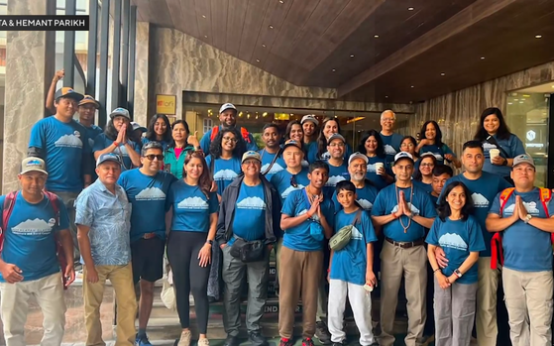 Himalayan Pilgrimage: A Couple’s Narrow Escape and Lingering Questions