
NATO’s top military official stated that European allies have largely compensated for the shortfalls resulting from the U.S. decision to reduce its military contributions during crises. U.S. General Alex Grynkewich emphasized the need for more European equipment after the U.S. announced on June 3 its intention to withdraw certain military assets, including an aircraft carrier, support ships, aerial refueling planes, and fighter jets from Europe.
The NATO Force Model serves as the alliance’s primary strategy for mobilizing forces from its 32 member nations during times of peace, crisis, or war. This model outlines the military resources that commanders can utilize in stages over the initial six months of any conflict.
“European Allies have significantly filled the voids created by U.S. reductions to the NATO Force Model within a matter of weeks,” Grynkewich reported, ahead of a July 7-8 summit in Turkey, where force planning is a key topic. “In areas where equivalent capabilities are lacking, we are exploring alternative solutions with similar effectiveness,” he added, providing no further specifics.
The Pentagon’s announcement surprised many allies, as it indicated a focus shift to potential threats, especially from China in the Indo-Pacific region. In response, European allies and Canada reviewed their inventories to determine available support in case of an attack. The United Kingdom, for instance, has elevated the readiness of a second aircraft carrier and F35 fighter jets for emergencies.
NATO Secretary-General Mark Rutte downplayed the implications of the U.S. decision under the Trump administration. He expressed confidence that the U.S. would redirect more resources to Europe if conflict arose, similar to its response during the Iran war. Rutte stated, “This isn’t about current locations of forces and assets. It’s about the roles and actions if defense plans are activated, particularly in an Article 5 scenario.”
Under NATO’s collective security guarantee, known as Article 5 of its founding treaty, an attack on one member is considered an attack on all. While this doesn’t mandate military support, it’s likely that many allies would provide it.
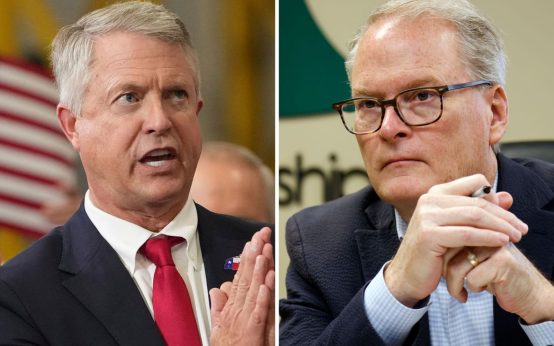 Kansas Senate Race Gains Unexpected Momentum
 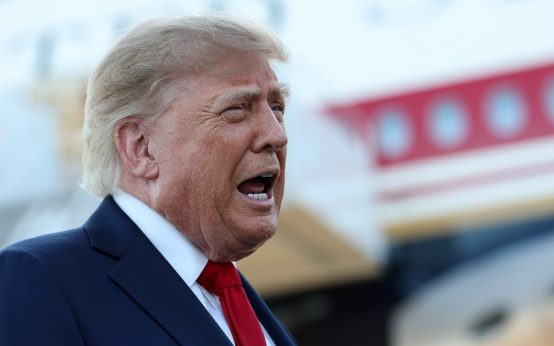 Republicans Face Election Challenges Amid Signs of Party Strain
  Texas Senate Race: Ken Paxton and James Talarico Exchange Corruption Allegations
  Kentucky Governor Andy Beshear: A Potential Leader for the Democratic Future
 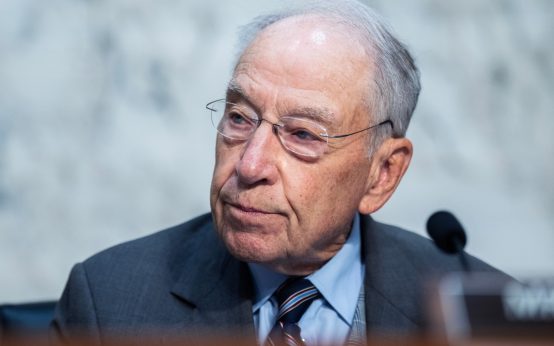 Republican Senator Pushes for Diesel Export Ban
 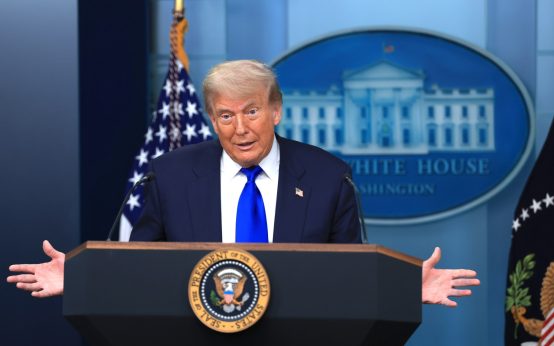 Trump Criticizes Supreme Court Over Rulings