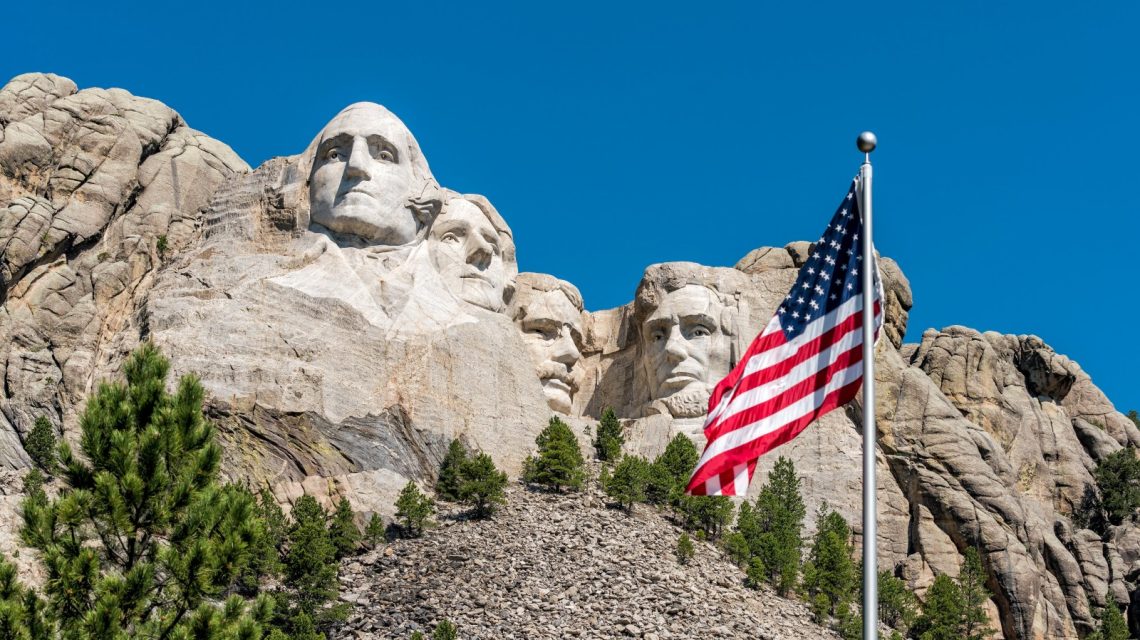
The grand opening of the Theodore Roosevelt Presidential Library in Medora, North Dakota, is set for July 4, 2026, coinciding with America’s 250th birthday. The library is situated above the Little Missouri River in the Badlands, a region that profoundly influenced Roosevelt. Previously, I attended the opening of the Obama Presidential Center in Chicago and anticipate the future Trump Presidential Center in Miami. In an era marked by political divisions and declining historical literacy, these institutions are vital.
Our nation faces significant challenges. Political polarization damages civil discourse, and surveys show concerning gaps in Americans’ understanding of founding principles and constitutional structures. Civic engagement often lacks substance. In this context, the Roosevelt Library and similar sites invite thoughtful historical engagement. Its North Dakota location, away from Washington’s influence, emphasizes that American history is a shared heritage.
Presidential libraries serve as educational hubs, not mere archives. The Roosevelt Library is part of a network of nearly 200 sites across the continent. These include libraries, museums, birthplaces, historic sites, and educational institutions. They offer exhibitions, lectures, and programs that encourage critical thinking about leadership and governance, anchoring visitors in facts and context.
Theodore Roosevelt’s legacy is one of transformative leadership. After personal tragedy, his time in the Dakota Badlands renewed him. As president, he introduced the “Square Deal,” tackled monopolies, enhanced consumer protection, and championed workers’ rights. His conservation efforts secured 230 million acres of public lands. Roosevelt’s policies and approach offer enduring insights.
“The credit belongs to the man who is actually in the arena,” Roosevelt stated.
His leadership combined action with principle. As Americans address current challenges like inequality and environmental issues, Roosevelt’s example urges pragmatic stewardship. The Badlands experience fortified his resilience and connection to nature, which influenced his presidency.
Preserving presidential history is crucial for the republic’s future. The evolving White House reflects national growth, and sites like the Roosevelt Library link the Executive Mansion to America’s broader experience. These places highlight the presidency’s accountability and the importance of public engagement.
Nationwide, nearly 200 historical sites help fight historical amnesia. They connect citizens with the past, fostering empathy and a shared mission. The Obama Center focuses on 21st-century challenges, while the Roosevelt Library renews interest in the Progressive Era. Together, these institutions narrate leadership and service beyond individual administrations.
As the nation approaches the Semiquincentennial, there’s a call to support and learn from these democratic institutions. Roosevelt encouraged vigorous endeavor, and his library challenges Americans to engage with history, debate it, and apply lessons to improve the union. May the library’s opening in the Badlands inspire civic vitality for the next 250 years.
 Artistic Chronicle of Communities’ Recovery Post-Hurricane Helene
  Chicago History Museum’s Latin American Exhibit Sparked by Student Protests
 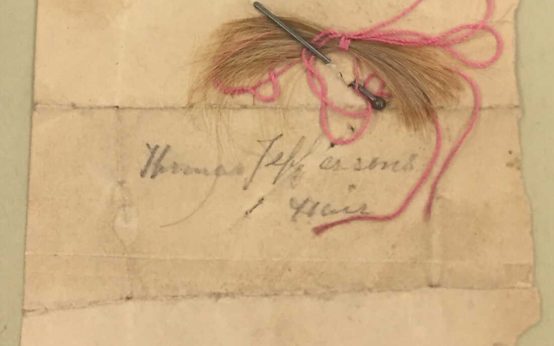 DNA Links Jefferson to Hemings Descendants
  Ari Emanuel’s Memoir: A Business-Centric Narrative
  Celebrating Day of the Dead: Students Craft Calaveras in Pilsen
  Controversial Revelations from Charles Spencer’s New Book on Princess Diana