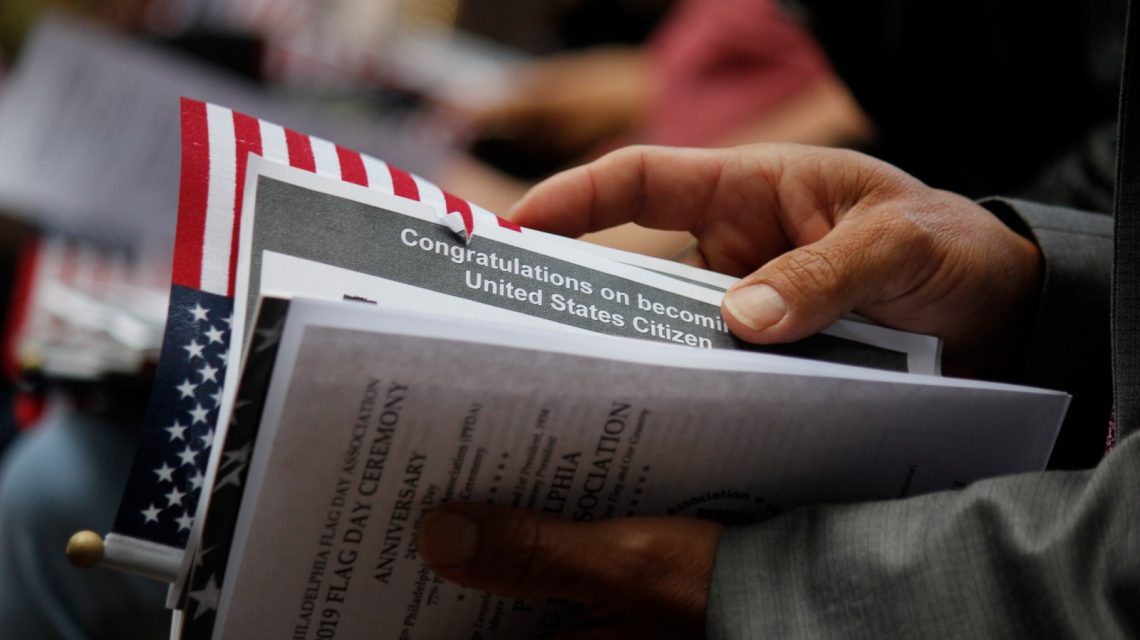
The issue of foreign-born officials holding significant power in the United States government has raised concerns among some citizens this week. Judge Sparkle Sooknanan, a federal judge appointed by President Biden, and born in Trinidad and Tobago, took a controversial action. She blocked the Trump administration from utilizing the SAVE database to verify voter citizenship data, which has intensified debates about loyalty and eligibility in American governance.
Questions arise about the allegiance of foreign-born individuals participating in significant roles within the government. Reports suggest Judge Sparkle may have not renounced her foreign citizenship despite her oath to do so during her confirmation hearing in March 2024. This situation highlights concerns about divided loyalties in positions of power.
America must consider who is entrusted with shaping and enforcing its laws. The example of Judge Sparkle brings attention to broader concerns about the presence of foreign-born officials in influential roles. Names such as Ilhan Omar, Shri Thanedar, and Pramila Jayapal often enter discussions around this topic. The conversation delves into the importance of ensuring that those who govern possess unambiguous loyalty to the United States alone.
Representative Nancy Mace of South Carolina has responded to these concerns by introducing two resolutions. The first resolution aims to propose a constitutional amendment mandating natural-born citizenship for members of Congress, federal judges, and Senate-confirmed officers. By setting this requirement, the alignment of governmental power with American interests would be strengthened, addressing the perceived gap existing in the current constitutional framework.
The second resolution further tightens these requirements by proposing that individuals holding citizenship, nationality, or allegiance to another country be barred from serving in high positions without renouncing their foreign ties completely. This resolution emphasizes unyielding dedication to the nation and seeks to eliminate any conflict of interest.
Opposition to these proposals often brings accusations of racism, xenophobia, or hatred, yet their proponents argue that prioritizing American loyalty over any foreign allegiance is about safeguarding national interest and American unity. They stress the need for clarity in allegiance, presenting this as a matter of national security.
The debate about foreign-born officials showcases the necessity for the government to reflect and uphold the interests of the American populace exclusively. These resolutions offer tools to Congress to shape this framework, urging action to take concrete steps toward ratifying these changes.
Nancy Mace prompts congressional action to address these concerns, asserting that solutions are within reach. The matter lies in whether officials will move forward decisively to vote on these amendments and secure a singular nationalism in the leadership of America.
 Republican Senator Criticizes Trump’s $5,000 Check Proposal
  Trump’s Approach to Iran at the United Nations
  Trump’s Triumphal Arch Controversy
  Concerns Over Abdul El-Sayed’s Potential Senate Role and National Security
  Kentucky Governor Andy Beshear Discusses Tariffs, Faith, and Political Ambitions
  Sunday Highlights: Lane Kiffin, Nancy Mace, and College Football Drama