A significant increase in cyclosporiasis cases, a parasitic illness known for causing severe diarrhea, has been identified in more than a dozen states. Michigan has emerged as a significant hotspot, recording over 1,500 cases along with 44 hospitalizations, as per data from Michigan’s Health and Human Services (HHS) department released on July 9. Typically, the state would see around 50 cases annually. The exact source of the outbreak in Michigan remains unidentified, according to the HHS.
The illness is spreading across multiple states. Ohio has noted 177 cases. Illinois has reported 141 cases. Other states experiencing increased numbers include New York with 120 cases, North Carolina with 110 cases, and Texas with 48 cases.
This rise has gained national attention as health authorities work to understand if it’s an isolated outbreak or part of a larger seasonal trend. The Centers for Disease Control and Prevention (CDC) noted 145 domestically acquired cases across 17 states from May 1 to June 16. However, the actual scope might be more significant, as national data reporting often lags behind state numbers.
David Relman, a professor at Stanford Medicine, stated, “Reporting is not consistent and may be less complete than in earlier years during the cyclospora season.” He pointed to a lack of information on case clustering and common exposure sources.
The scarcity of information stems from reduced surveillance resources, largely due to the CDC’s scaled-back monitoring of foodborne illnesses, including cyclospora, during the previous administration.
Unprecedented Rise in Cases
Public health experts described this year’s increase as notable. Keith Schneider, a professor of food safety at the University of Florida, stated over email that this represents a significant spike.
Historical data on cyclospora remains limited. In 2022, a Florida outbreak involving 513 infections was traced to contaminated lettuce. The highest case counts in recent years were in 2018 and 2019, with 3,519 and 4,703 cases reported, respectively.
In 2026, over 1,000 cases have already been reported, with peak season extending from May 1 to August 31. This period coincides with increased consumption of fresh summer produce.
Jennifer Acuff from the University of Arkansas noted, “We’ve seen bigger outbreaks in the past, but this one is growing faster than we’d like.”
Identifying Sources of Cyclospora
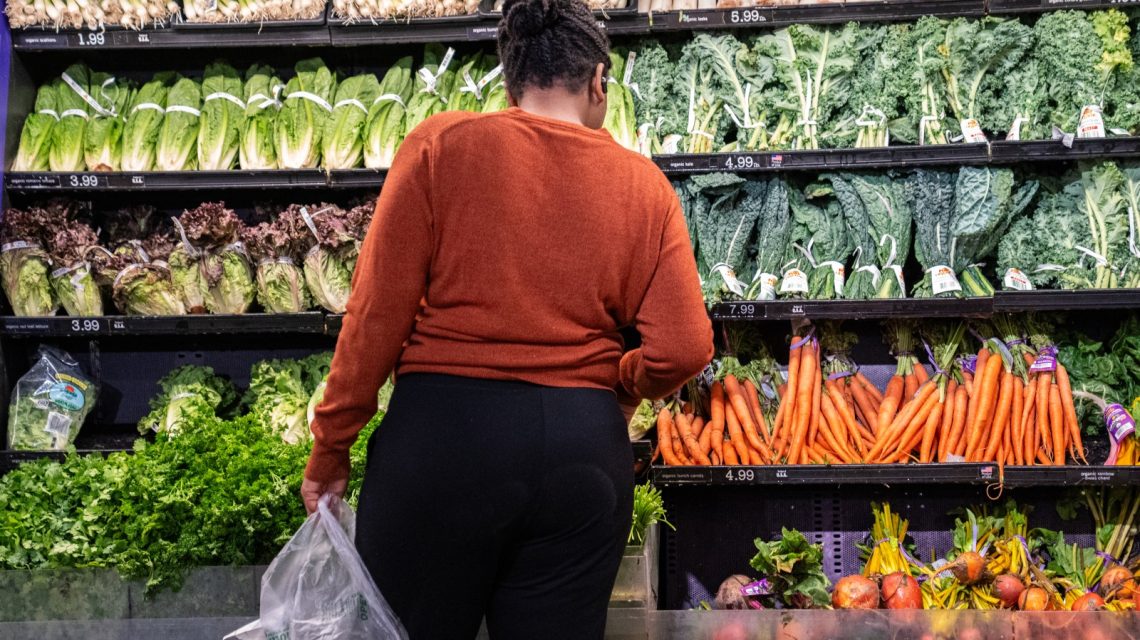
Fresh produce, especially that exposed to contaminated water or human waste, is the primary source of cyclospora infection. Lee-Ann Jaykus from NC State University explained that the parasite is often associated with vegetables, herbs, and selected fruits.
Larger outbreaks involve multi-component foods like salad mixes, complicating the identification of contaminated ingredients. The delay in symptom appearance also makes it difficult for people to recall their food consumption, further complicating source identification.
Unconfirmed reports suggest some Taco Bell locations may have ceased serving certain ingredients, though the company has not commented.
Preventing Cyclosporiasis
Cyclosporiasis results from the parasite Cyclospora cayetanensis, generally contracted via contaminated food or water. Avoiding these items offers the best protection. Jennifer Acuff recommends washing produce. While not a guaranteed method to eliminate the parasite, it reduces the risk of ingestion significantly.
Symptoms include diarrhea, stomach cramps, bloating, nausea, fatigue, and appetite loss. Occasionally, vomiting and low fevers occur. The illness, though rarely fatal, can persist for weeks and recur if untreated, posing higher risks to those with compromised immune systems.
Acuff mentioned that severely avoiding fresh produce could mitigate risks for the immunocompromised until the source is identified.
Relman emphasized, “Cyclospora is difficult to clean off. Preventing farm contamination and removing tainted produce are far better solutions than relying on consumer efforts.” He added, “A safe food supply requires resources, skill, and dedication.”
 Upcoming Concerns and Influence in Health Politics
  Fraud Task Force Saves Billions by Tackling Obamacare Misuse
  Presley Gerber’s Passing Raises Addiction Recovery Concerns
  Understanding October SNAP Benefits: Payment Dates and Changes
  Managing Distress and Discomfort Effectively
  Trump Administration Seeks to Influence NIH Grantmaking