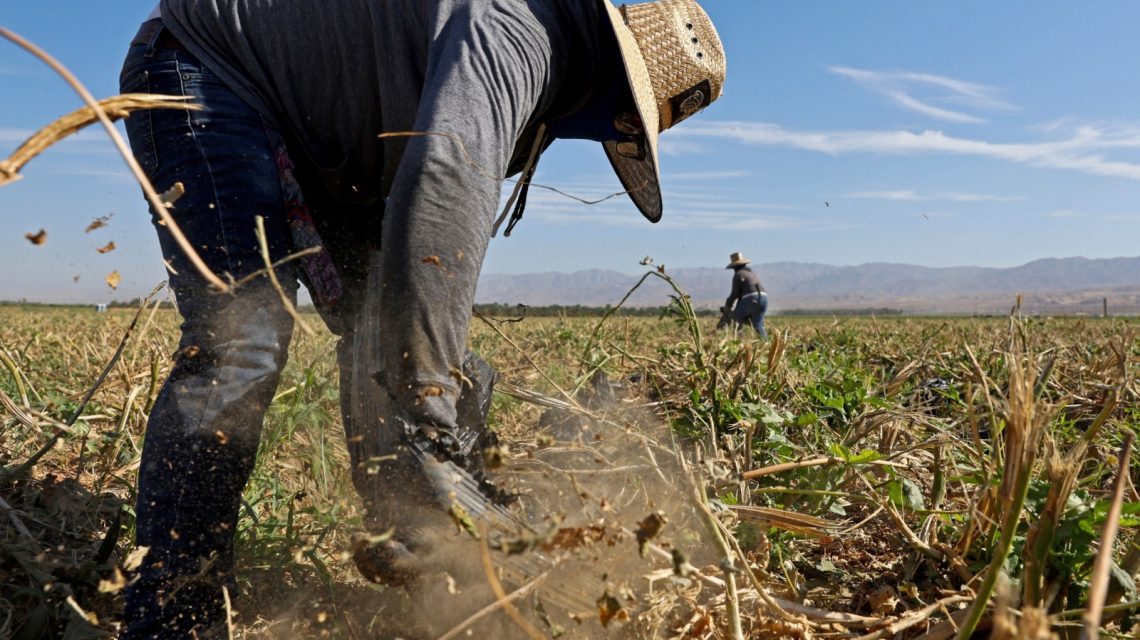
Growing seasons in the United States are lengthening, affecting both gardeners and their crops. This period, spanning from the last frost in spring to the first frost in fall, is expanding in many states. This change offers both benefits and challenges. Gardeners have an extended timeframe to grow vegetables and flowers. However, pests also get more time to thrive. The Old Farmer’s Almanac, the longest-running almanac in the U.S., confirms that growing seasons are getting longer across the country, especially in the West, parts of the Northeast, and some Southern states. Since 1895, some states have experienced a change in growing season of more than a month.
Earlier warnings from the almanac indicated hotter summers, leading to drier soil and increased plant stress. Climate change, driving global temperature rises and altering weather patterns, significantly impacts gardeners’ ability to grow. Climate Central’s data, based on NOAA records, show summer temperatures have increased in about 97 percent of major U.S. cities since 1970.
States with Notable Changes in Growing Seasons
According to the almanac’s data covering 1895 to 2023, California has seen the largest increase, with 47 additional growing days. Washington follows with 40 extra days. Arizona’s season lengthened by 35 days, while Utah’s grew by 33 days. North Dakota and Wyoming each gained 32 days. Other states, including Oregon, Connecticut, Idaho, and Florida added about four weeks or more to their seasons by 2023.
Regional differences are evident. Florida experienced a significant season extension, while Alabama had virtually no change, and Mississippi gained less than one day. Georgia was the only state with a decrease in growing season length. In the West and Northeast, several states recorded significant increases, though Rhode Island noted only a minor change of less than a week.
Researchers highlighted that substantial changes occurred in recent decades as global temperatures rose. The Environmental Protection Agency’s data indicate a significant and steady increase during the last 30 years of the study.
Impact on Gardeners
The longer growing season allows for late autumn tomato harvesting, pepper cultivation requiring extended warmth, and longer enjoyment of flowering plants. These conditions can also favor the growth of normally cooler-climate struggling plants. The U.S. Department of Agriculture mentioned that altered growing degree-days offer opportunities to try new crops, varieties, and markets.
Earlier springs and delayed autumn frosts can increase growth and productivity if temperatures stay within growth limits, and water and nutrients are sufficient. However, heat stress impacts some plants, and pests thrive in warmer weather. The almanac pointed out increased durations for pests like squash vine borers, Japanese beetles, and stink bugs. USDA notes these conditions may lead to multiple pest generations per season, raising the possibility of increased insecticide resistance.
Adapting to Changes
The almanac suggests countering pests by using row covers for young plants, inspecting plants weekly, looking for insect eggs, and removing damaged leaves. For aphids, using a hose is better than immediate insecticide use. Larger insects can be hand-picked, and heavily infected leaves should be removed promptly. Encouraging beneficial insects by planting flowers like alyssum, dill, fennel, calendula, and marigolds can be advantageous.
Insect sprays should be a last resort to preserve beneficial insects. Gardeners might also need to adjust planting practices and irrigation schedules. If facing heat stress, planting earlier or selecting short-maturity cultivars can be helpful.
Carlos Messina from the University of Florida suggests that adapting to climate changes involves careful consideration of practices, cultivars, and breeding. A balanced approach is necessary to avoid maladaptation or slow responses, which could harm future gardening efforts.
 Cold Weather Alerts and El Niño Influence
  Turning Home Food Waste into Compost: A Guide
  Chicagohenge: When Sunlight Aligns with City Streets
  Fat Bear Week 2026: A Look at the Contest and Its Competitors
  California Governor Declares Statewide Emergency Ahead of El Niño Storms
  EPA Rollbacks and the Impact on Indiana Communities