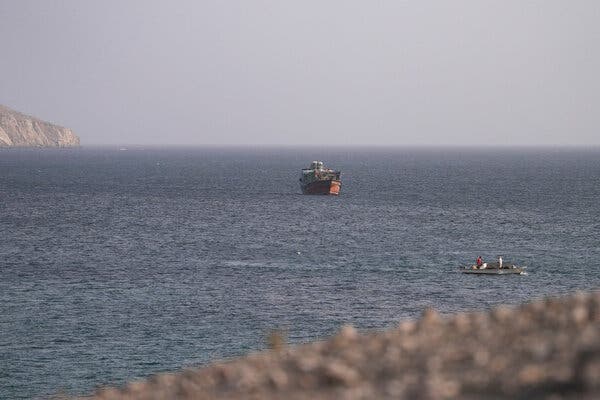
The first day of the U.S. naval blockade on Iran saw a significant drop in ship traffic through the Strait of Hormuz. Only 13 vessels navigated the strait on Wednesday, compared to 21 ships the previous day. This marks a notable decrease in maritime movement through this crucial waterway.
The Strait of Hormuz is vital for global oil and gas shipments. Before the conflict, over 130 vessels passed daily. The reduction in traffic on the first full day of the blockade highlights the impact on shipping and regional trade.
Most ships traveled through Iranian waters, following Tehran’s directives. However, the blockade’s enforcement aims to undermine Iran’s control over the strait and its revenue from oil sales. The U.S. Central Command reported intercepting two vessels attempting to breach the blockade.
Kpler, a maritime data firm, noted that five of the transiting ships faced sanctions. Vessel movements are difficult to track when tracking devices are off. This tactic obscures routes and complicates complete assessments of shipping activities in the region.
The ongoing conflict between Iran and the U.S. over the strait has reached its sixth day. This has enhanced uncertainties for oil shippers navigating the area, complicating their operations and strategic planning.
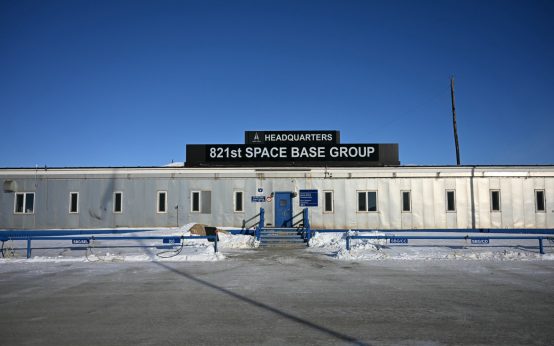 New U.S. Military Bases Planned in Greenland Amid Strategic Security Deal
  Twitch Streamer Hasan Piker Discusses Controversial Commentary
  A Shifting Political Landscape: The Decline of Autocratic Power
  Trump Delivers Warning to Iran, Cuba at UN General Assembly
  Lukashenko and Putin’s Unique Relationship and Belarus’ Strategic Role
  Alan Ritchson Faces Backlash Over Political Remarks