
In recent years, the study of Alaska’s native bees has grown significantly. For decades, these crucial pollinators were not well understood by scientists. This lack of knowledge has prompted initiatives aimed at uncovering the mysteries surrounding these insects.
On a warm afternoon in July, near Fairbanks, a volunteer with the Alaska Bee Atlas gently collects bees. Using a net, the volunteer captures a small bumblebee. This bee is just one of thousands gathered during the summer across the state. Such moments underscore the collaborative efforts of Alaskans to gain insight into the bees pollinating their northern landscape.
The Alaska Bee Atlas is instrumental in this endeavor. It brings together volunteers and scientists dedicated to the study of bee populations. Their work helps reveal the habits and habitats of various bee species.
This effort not only aids in understanding the ecological role of bees but also ensures their survival. Knowing how bees interact with their environment means better conservation strategies. This initiative highlights the importance of local participation and scientific collaboration in achieving a better understanding of native bees.
 Cold Weather Alerts and El Niño Influence
  Turning Home Food Waste into Compost: A Guide
  Chicagohenge: When Sunlight Aligns with City Streets
 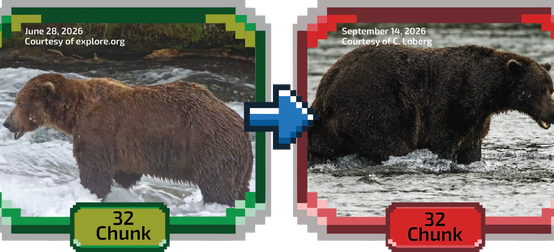 Fat Bear Week 2026: A Look at the Contest and Its Competitors
  California Governor Declares Statewide Emergency Ahead of El Niño Storms
  EPA Rollbacks and the Impact on Indiana Communities