The Break with Society of St. Pius X
Catholics attending services at churches linked with the Society of St. Pius X face a challenging question at Sunday Mass. The Vatican considers the recent actions by the Society as a significant rupture in church unity, leading to excommunication of their priests and bishops. The Vatican has urged Catholics to avoid the worship services and activities of this breakaway group, stating that certain sacraments administered by the Society are illicit and invalid.
Despite this, life within Society churches continues largely unchanged. The Latin Mass continues, baptisms are conducted, and camps and pilgrimages proceed as planned. Some members are adamant about maintaining their faith practices.
Pope Leo XIV’s Challenge
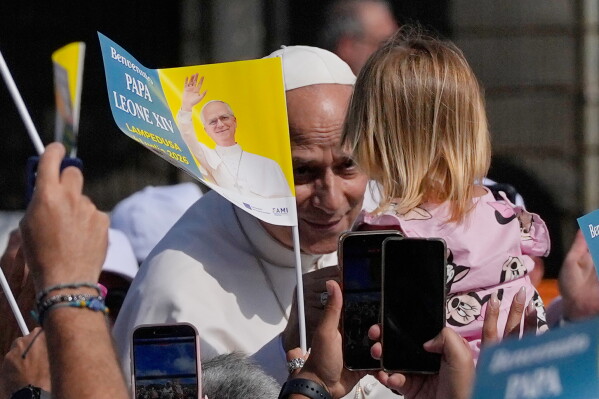
The consecrations have presented a challenge for Pope Leo XIV, who emphasizes church unity. During his papacy, he has reached out to the conservative and traditionalist wings of the church, groups that felt alienated under Pope Francis. Several bishops in the U.S. have echoed the Vatican’s warnings, encouraging Society members to return to churches aligned with Rome.
San Antonio Archbishop Gustavo García-Siller has emphasized the importance of unity with Pope Leo XIV and the Catholic hierarchy. This sentiment reflects the schism declaration and excommunication decree expressed by the Vatican’s doctrine office, targeting the Society’s 750-strong priest community.
Resistance and Reaction
It is uncertain whether Catholics will heed this call. According to R. Andrew Chesnut, chair of Catholic Studies at Virginia Commonwealth University, longtime Society members view the situation through their long-standing conflict with Church authorities, making them less likely to be swayed.
The Society’s origin lies in its opposition to the changes from the Second Vatican Council, which modernized relations with Jews and other faiths, championed religious liberty, and allowed Mass celebrations in local languages. Society leaders, viewing themselves as defenders of church tradition, have defended their consecrations as critical for protecting souls and questioned the Vatican’s sanctions.
The Society has appealed the Vatican’s decree, and James Vogel, U.S. district spokesperson, states that the impact is still unclear. Activities like Masses are ongoing, indicating the Society’s defiance.
Community Ties and Consequences
Community connections run deep among Society members. Mike Lewis, managing editor of ‘Where Peter Is,’ notes that these communities have been semi-autonomous for decades, making their social and family lives intertwined with the movement.
Jim De Piante, affiliated with the Society in North Carolina, feels strengthened in his commitment to tradition despite the excommunication, reflecting his determination to preserve Catholic heritage.
However, some members are unsettled. Ross McKnight, drawn to the Society during the pandemic, enjoys the supportive community but faces a ‘crisis of conscience’. McKnight balances loyalty to his community with the duty to the broader Church.
Ongoing Activities Despite Excommunication
Archbishop García-Siller in Texas has advised his followers against attending Society services, barring Society priests from officiating weddings or ministering locally. Despite this, services at Society churches like St. Joseph’s continue, illustrated by live-streamed worship sessions.
Rev. Stephen Zigrang, addressing his congregation, emphasized no change to their course, suggesting members face familial and social scrutiny for their choices. He encouraged them to invite others to experience the traditional Mass.
 Alan Ritchson Faces Backlash Over Political Remarks
  Himalayan Pilgrimage: A Couple’s Narrow Escape and Lingering Questions
  Former CEO Sentenced for Bank Fraud and Sanctions Evasion
  Russia’s Potential Incursion Into Estonia: NATO’s Resilience Under Scrutiny
  Senators Urge Action to Free Imprisoned Journalist in Iran
 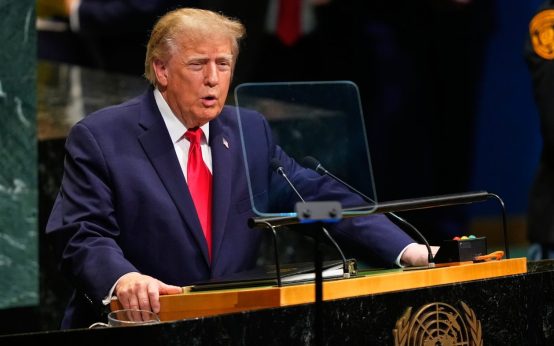 Trump’s Address at UNGA and Key Political Developments