
U.S. companies have secured approximately $60 billion in deals and partnerships with the Iraqi government. These agreements focus on creating new routes for exporting oil from the Persian Gulf. The signings took place at the U.S. Chamber of Commerce and included industries such as healthcare, communications, and infrastructure.
The timeline for establishing these alternative oil routes remains uncertain. Pipelines typically require at least two and a half years for construction in a single country, according to Goldman Sachs. The proposed pipelines will cross multiple nations. Iran has repeatedly attempted to close the Strait of Hormuz during the ongoing U.S.-Iran conflict, affecting global oil prices. The price of West Texas crude rose to $88 a barrel from $67 following renewed tensions after an earlier truce.
U.S. Ambassador to Turkey, Thomas Barrack, expressed optimism that these pipeline agreements could render the Strait of Hormuz less significant. Iraqi Prime Minister Ali Falah al-Zaidi met with Chevron executives to encourage increased investment in Iraq. He emphasized Iraq’s focus on long-term partnerships and the importance of collaboration with economic decision-makers at the U.S. Chamber of Commerce.
Chevron has entered into three agreements with Iraq, concentrating on enhancing oil production and developing a new export route. Jake Spiering, Chevron’s president of corporate business development, highlighted the importance of this initiative for energy security.
The U.S. State Department has endorsed Iraq and Syria’s agreement on restoring and upgrading the Iraq-Syria pipeline as a key infrastructure project. The pipeline will stretch from Basra to Haditha, connecting to Turkey’s Ceyhan port and Syria’s Baniyas coast. It is expected to facilitate the transport of about 2 million barrels of oil daily.
Goldman Sachs analysts predict that seven pipelines under development in the region might carry 60% of the oil currently flowing through the Strait by 2028. These could transport roughly 14 million barrels per day. Currently, 23 million barrels traverse Hormuz.
The war has disrupted traditional routes, with some shipments trucked directly from Iraq to Syria and sent to Europe from the Baniyas port. A crucial border crossing between northern Iraq and Syria reopened, offering an alternative export path. Despite being less efficient and more costly than the Strait, the planned pipeline would enable a larger volume of oil exports via Syria and Turkey.
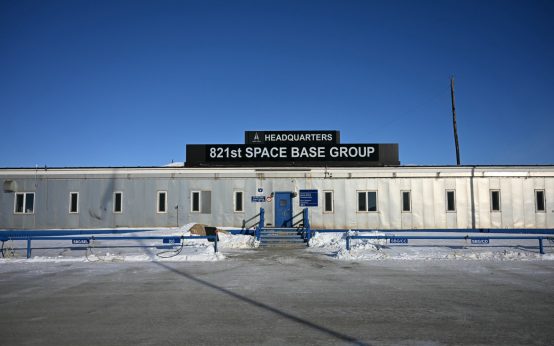 New U.S. Military Bases Planned in Greenland Amid Strategic Security Deal
  Twitch Streamer Hasan Piker Discusses Controversial Commentary
  A Shifting Political Landscape: The Decline of Autocratic Power
  Trump Delivers Warning to Iran, Cuba at UN General Assembly
 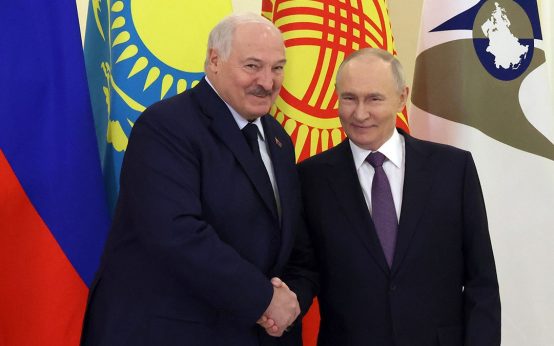 Lukashenko and Putin’s Unique Relationship and Belarus’ Strategic Role
  Alan Ritchson Faces Backlash Over Political Remarks