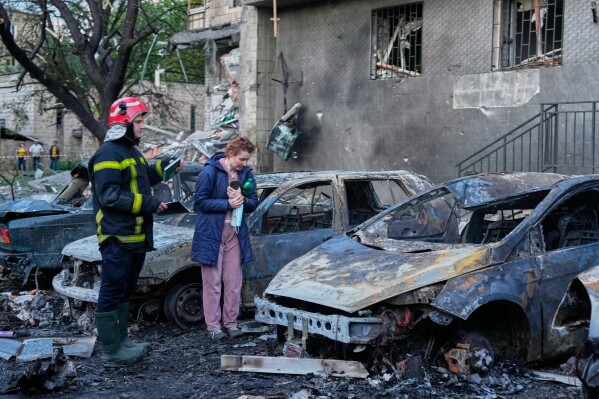
The U.S. military launched an offensive against Iran’s Revolutionary Guard on Sunday. This action follows the killing of American troops in Jordan. The strikes are part of an ongoing campaign related to the struggle over the Strait of Hormuz. In recent days, Iran targeted U.S.-allied countries across the Middle East, while the U.S. destroyed Iranian infrastructure such as bridges and electrical facilities.
Increased Tensions Across the Middle East
Iran retaliated by attacking the power and desalination plants in Kuwait, impacting daily life. The United Arab Emirates issued a warning due to Iran’s threats to further escalation. Kuwait and Bahrain activated air defenses in anticipation of Iranian drones and missiles. These actions follow the killing of American troops in Jordan by an Iranian attack. Since the conflict began, 16 U.S. service members have died, while over 430 have been injured. Meanwhile, Iran reported that 50 people have died and more than 500 are injured from U.S. strikes.
U.S. Military Targets
The U.S. Central Command stated the attacks focused on Iranian military and missile storage sites. They aimed to reduce Iran’s control over the Strait of Hormuz. The U.S. used fighter jets and Tomahawk missiles in their offensive. Iran’s military installations are often hidden in mountainous regions, complicating the military activities. The area is strategically important as a fifth of the world’s oil and gas pass through this narrow passage.
Tensions with Gulf States
Despite numerous retaliatory strikes by Iran on neighboring countries, the UAE has yet to face direct attacks. However, a semiofficial Iranian news agency issued a threat against UAE airports and ports. Responding to this, the UAE Foreign Ministry called for moderation and warned against regional instability. Both the UAE and Saudi Arabia have conducted retaliatory strikes on Iran. The Gulf Cooperation Council accused Iran of war crimes for targeting civilian infrastructure.
Strait of Hormuz: A Focal Point
The conflict continues to center around the Strait of Hormuz. Former U.S. President Trump threatened to target Iranian infrastructure to gain control over the strait. The U.S. imposed a naval blockade on Iranian ports, disrupting crude oil shipments. Iran’s Supreme Leader, Mojtaba Khamenei, warned against continued U.S. attacks, threatening significant retaliation. Iran suspended participation in an interim deal that aimed to resolve the fighting in the region.
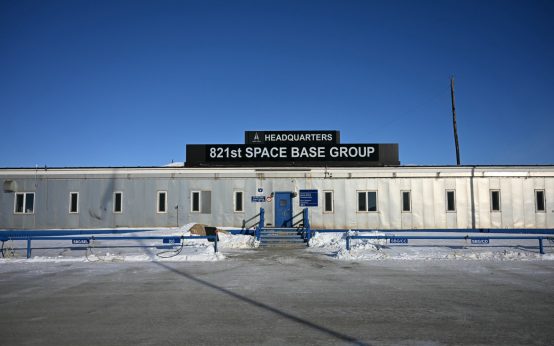 New U.S. Military Bases Planned in Greenland Amid Strategic Security Deal
  Twitch Streamer Hasan Piker Discusses Controversial Commentary
  A Shifting Political Landscape: The Decline of Autocratic Power
  Trump Delivers Warning to Iran, Cuba at UN General Assembly
 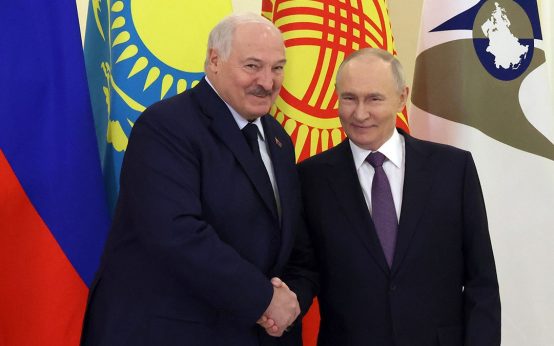 Lukashenko and Putin’s Unique Relationship and Belarus’ Strategic Role
  Alan Ritchson Faces Backlash Over Political Remarks