In New Delhi, police used batons on supporters of the youth-led “cockroach” movement as they attempted to march to parliament. Authorities had not granted permission for the protest. The movement, which began months ago, presents a significant challenge to Prime Minister Narendra Modi in his third term. It has gained millions of social media followers and expanded its appeal.
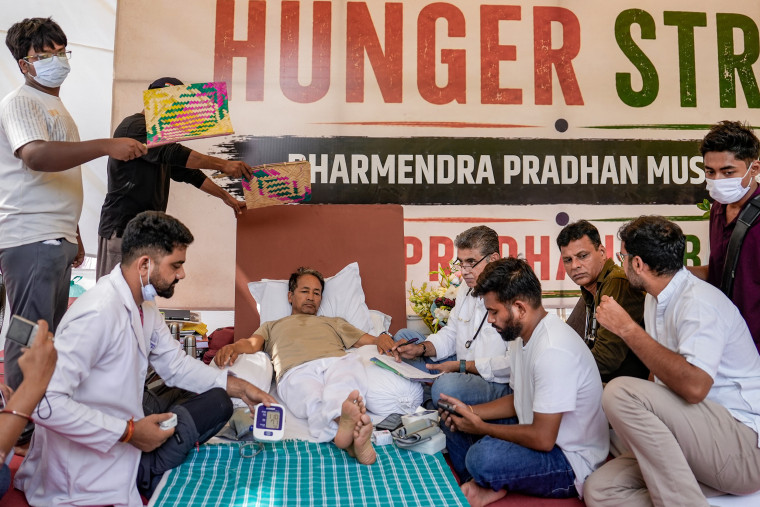
Activist Sonam Wangchuk sparked further momentum for the movement when police moved him to a hospital from his hunger strike location. Thousands of supporters gathered overnight at Jantar Mantar in New Delhi for the protest, coinciding with the opening of parliament’s monsoon session. Delhi police had discussions with members of the Cockroach Janta Party (CJP) but reached no agreement, according to Deputy Commissioner Sachin Sharma.
Medical professionals attended to Wangchuk during his hunger strike. Sharma mentioned that the protest area was overcrowded with approximately 10,000 participants on Monday morning. High numbers of police and paramilitary forces were stationed there, risking a confrontation near parliament if the march went on.
Television footage showed police using batons on protesters in a barricaded section. Despite this, Delhi Police claimed no force was used and that the protest was managed professionally. Protesters peacefully chanted slogans in central Delhi, calling for the resignations of the education minister and the prime minister.
CJP spokesperson Saurav Das told ANI news agency that they are open to discussions with the government. The movement originated after leaked national medical school entrance exams in May affected over 2 million students, forcing them to retake the test.
Protesters like Adi Nathan and Mohammed Tabrez, both students, expressed their demands for an end to corrupt practices such as exam paper leaks. These issues drive their participation in the protests.
The CJP gained initial support via online platforms, quickly attracting 22 million Instagram followers. It has since received backing from some opposition parties. CJP founder Abhijeet Dipke initiated a month-long sit-in demanding the education minister’s resignation. Wangchuk joined the protest on June 28, starting an indefinite hunger strike.
In a note posted from the hospital, Wangchuk stated he would end his strike if the government accepted responsibility for educational failures and exam paper leaks. Alternatively, he asked for assurances from lawmakers if protesters reached parliament. He also called for meetings with party leaders in the hospital as his health prevents him from participating in the march.
The CJP movement highlights frustrations among India’s youth over issues like unemployment and examination fraud. Government data show unemployment rates were higher among young people, with 9.9% unemployment reported for those aged 15 to 29 in 2025. Urban areas faced a rate of 13.6%, compared to 8.3% in rural regions.
 GOP Candidates Call to End Iran War Amid Rising Fuel Costs
  Trump Administration Seeks to Influence NIH Grantmaking
 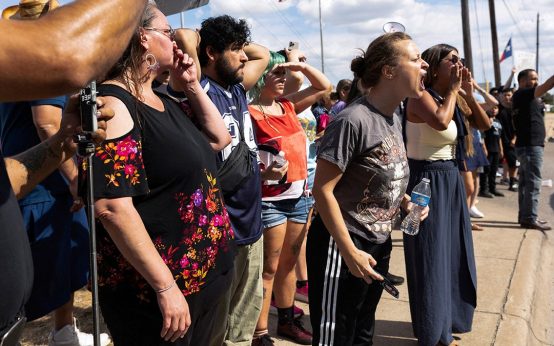 Protests in Austin: Analyzing the Coordination Behind Anti-ICE Demonstrations
 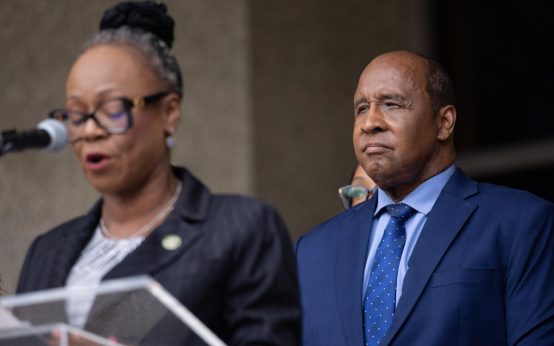 Controversy Surrounds Inglewood Mayor Amid Allegations
  White House Launches Trump TV Amidst Press Dispute
  Media Organizations Sue Trump Administration Over Press Access