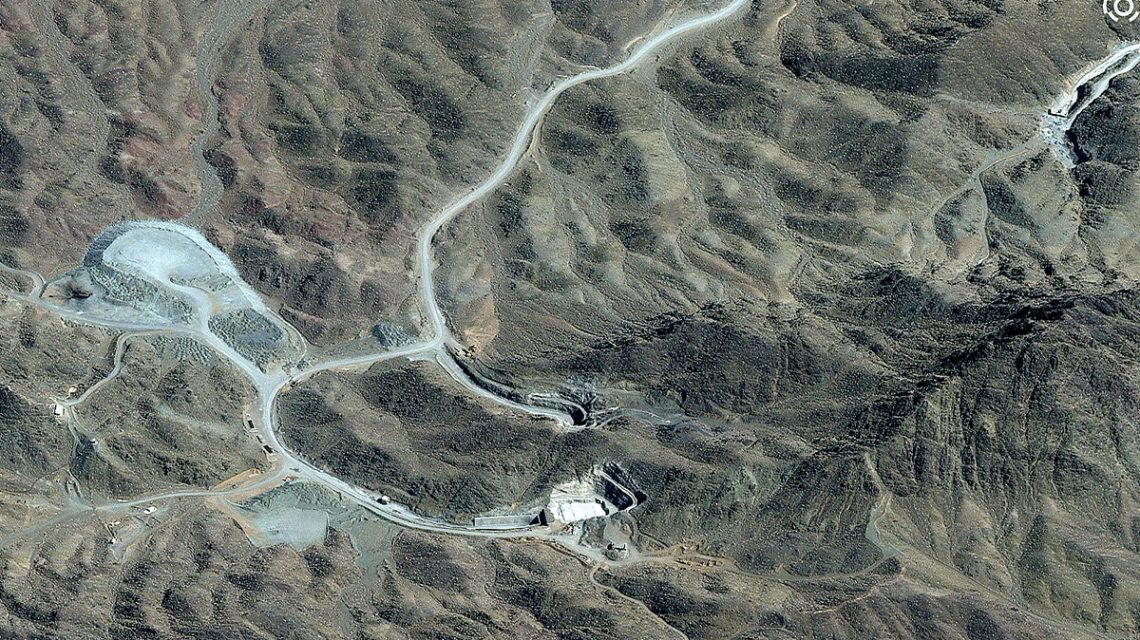
The White House is reviewing a plan to acquire enriched uranium from Iran’s nuclear sites, notably at Pickaxe Mountain. This initiative is under consideration following indications of ongoing construction and concerns over Iran’s leadership pursuing advanced nuclear weapons.
Proposed Military Operation
Reports indicate the Pentagon has revisited a drastic military strategy to send American troops into Iran. This mission, aimed at seizing enriched uranium from secure nuclear facilities, is likened to an invasion rather than a raid. The challenge lies in executing an effective operation without the element of surprise, as Iran has anticipated such actions for months.
The Pentagon has reportedly revived an extraordinary option for President Donald Trump: Send thousands of American troops deep into Iran to seize enriched uranium from damaged and buried nuclear facilities.
In a historical context, this situation parallels the failed 1980 Operation Eagle Claw. President Carter’s mission to rescue hostages in Tehran ended disastrously at Desert One, highlighting the risks of intricate military operations on foreign soil.
The Complexity of the Mission
Unlike the 1980 mission, today’s military benefits from advanced technology and experienced special operations units. However, geographical challenges and enemy defenses present significant obstacles. President Trump expressed concerns about this analogy and mentioned rejecting a uranium-seizure mission early on to avoid a similar outcome.
The mission requires addressing uncertainties such as the exact location of Iran’s enriched uranium. Facilities like Fordow, Isfahan, and Pickaxe Mountain complicate efforts, with potential for thousands of troops needed for success. Pickaxe Mountain, for instance, may host centrifuges over 300 feet below ground, posing a formidable challenge.
Iran’s Strategic Preparations
Iran has bolstered defenses at potential target sites, including filling tunnel entrances with deterrents like dirt and mines. These defenses aim to complicate any entry attempts, and both American forces and Iran understand the likely targets. The operation involves managing complex logistics, from suppressing air defenses to maintaining control over roads and airfields.
Iran’s response could involve its Islamic Revolutionary Guard Corps activating strategies across multiple fronts, increasing risks for American forces. Extended engagement raises the stakes significantly.
Alternative Strategies
An alternative to physical occupation might involve denying access to these nuclear sites. Collapsing entrances and maintaining vigilant surveillance could achieve similar goals without the extensive risks. Monitoring and conducting follow-up strikes as necessary may offer a sustainable approach.
At the core, any decisions should support continuous demands for International Atomic Energy Agency inspections and material accountability as a condition for relief negotiations.
Strategic Considerations
While differing from the 1980 scenario, both President Trump and Carter faced persistent adversaries with elevated expectations for resolution. The critical question remains: does the objective justify not only reaching but also enduring the costs and consequences?
Before any mission, Washington needs to provide clear answers regarding the uranium’s location, required troop presence, and handling of an Iranian counterattack. Securing legal authority and public backing for such an operation is paramount, alongside planning an exit strategy for American forces.
The potential failure isn’t reaching the target but involves a comprehensive understanding and justification of the mission’s objectives against the expected costs and available alternatives.
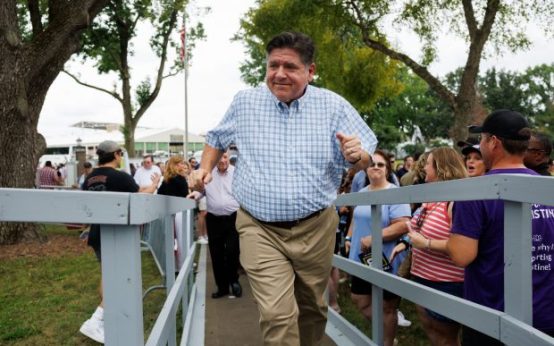 Gov. JB Pritzker’s Weight Loss Journey Relates to GLP-1 Drug
  Trump’s White House Media Ban Leads to Speech Challenges
 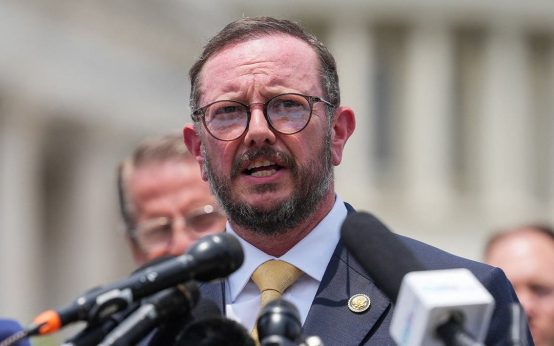 Missouri Rep. Eric Burlison Criticizes Washington’s Spending Habits
 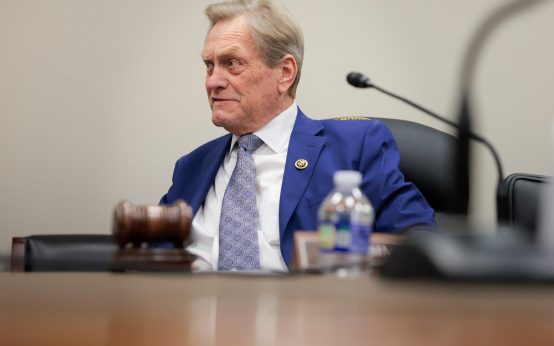 Republican Lawmaker Opposes Funding for Trump’s Arch Near Arlington
  House Bill Aims to Enhance Benefits for Combat-Injured Veterans
  Debate Over Transgender Athletes Shapes Political Strategies