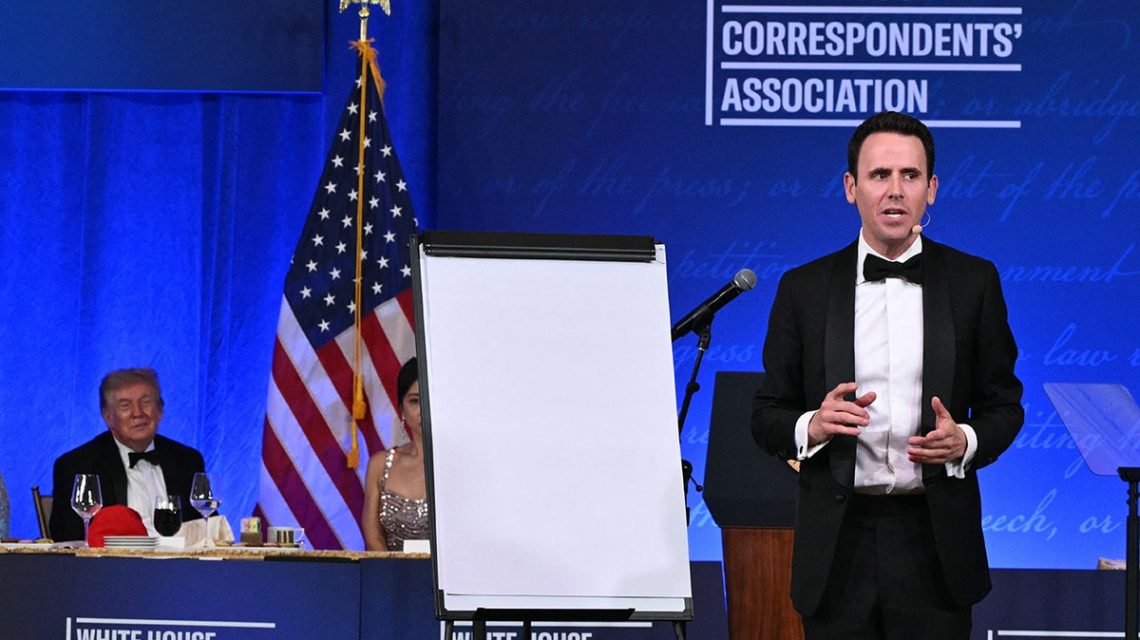
This past weekend, the White House Correspondents’ Association Dinner featured mentalist Oz Pearlman. Known for his skills in psychology, suggestion, and observation, Pearlman entertains by creating the illusion of mind reading. His performance was reminiscent of ‘The Amazing Kreskin,’ who captivated audiences with similar acts, making numerous appearances on ‘The Tonight Show’ during the 1970s.
The choice of Pearlman as entertainment for the event was fitting. It reflects the current dynamics between reporters covering the White House. Increasingly, journalists are relying on similar methods to interpret the thoughts and motivations of figures like President Donald Trump and Vice President JD Vance. Instead of focusing solely on what these political figures expressly state or do, reports often venture into speculative territory.
Reliance on Anonymous Sources
Many media pieces on Trump or Vance highlight insights that are attributed to anonymous sources. Common phrases include ‘sources close to Mr. Trump’ or ‘White House aides who were granted anonymity.’ Such narratives often lack direct quotes and descriptions of actions, with journalists instead making inferences based on supposed insiders’ knowledge.
A sizable number of people work within the Executive Office and across the federal government, some of whom might provide insights or information to reporters. However, only a minor group actually engages directly with top officials. This propagation of second-hand or third-hand information further fuels speculative journalism.
Motivations Behind Leaks
People may share purported conversations or arguments with reporters for various reasons. Some aim to influence desired outcomes through media narratives, while others seek to protect or advance their career prospects. It’s also not uncommon for journalists to leverage such information to enhance a story line.
These practices have blurred the lines between reporting and speculation. Media pieces sometimes resemble performances more than factual reporting, mirroring the skillful deception of a mentalist. The competition within journalism may tempt some to stray from accurate reporting to capture public attention or advance their careers.
Challenges of Speculative Journalism
Applying speculative analysis to political figures is problematic within journalism. It diverts from the aim of unbiased information gathering. Reporting should be rooted in substantiated facts, but guessing often masquerades as reporting in today’s media.
While mentalists aim to entertain by pretending to read minds, reporters should stick to factual narratives. Yet, in a highly competitive media environment, the allure of adopting a mentalist’s approach is ever-present among journalists covering politics and personalities.
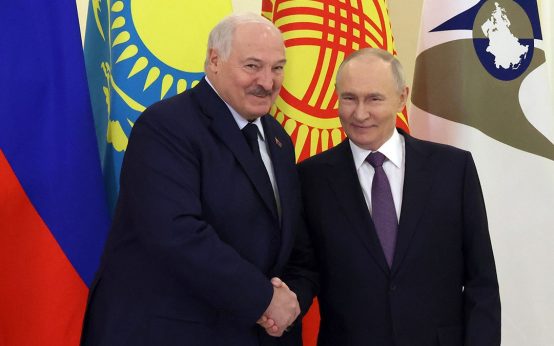 Lukashenko and Putin’s Unique Relationship and Belarus’ Strategic Role
 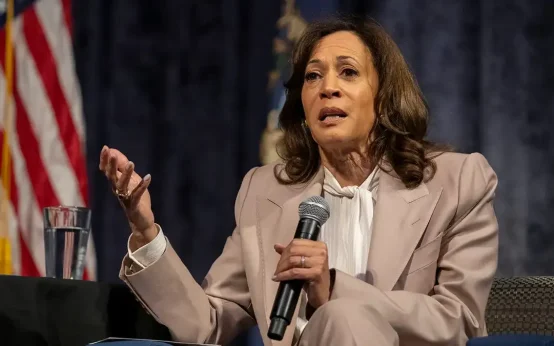 Harris Discusses Potential 2028 Presidential Run
  Far-Left Groups Allegedly Organize Protests in Austin
  Michigan Senate Nominee Abdul El-Sayed Criticized for Remarks on Reproductive Rights
  Poll Reveals Voter Preferences Between Socialist Democrats and MAGA Republicans
  Challenges of Electing a Female President: Insights from ‘The View’