
Endangered Status Lifted for Texas Lizard Amid Legal Settlement
The U.S. Fish and Wildlife Service has terminated the endangered species protections for the dunes sagebrush lizard in Texas. Previously classified as endangered in 2024, the lizard’s status changed following a lawsuit initiated by Texas Attorney General Ken Paxton against the federal government.
Background on the Dunes Sagebrush Lizard
The dunes sagebrush lizard, measuring approximately 2.5 inches, is native to the Permian Basin. This region has seen extensive oil and gas exploration for decades, posing threats to the lizard’s habitat according to biologists. In 2024, the species received endangered status and federal protection under the Biden administration, prompting a legal challenge from Paxton. He argued that the Wildlife Service did not use the ‘best scientific and commercial data’ in its declaration.
Legal Settlement and Reassessment
On July 21, a settlement in the lawsuit between the federal government and Paxton’s office vacated the 2024 endangered classification. This decision obligates the Wildlife Service to reassess the lizard’s status. Paxton welcomed the reassessment, criticizing the initial classification for overlooking habitat restoration efforts. He stated, “Texas, its people, and its industries should not have to suffer the effects of an illegal rule while the Fish and Wildlife Service further evaluates the status of the species.”
In response, the Wildlife Service reiterated its commitment to collaborating with local partners to conserve the lizard’s habitat. However, conservationists and biologists have voiced concerns over Paxton’s move to alter the lizard’s endangered status. Critics, including Jason Rylander from the Center for Biological Diversity, have claimed that the Fish and Wildlife Service is prioritizing Texas politicians and big oil interests over struggling wildlife.
Impact on Oil and Gas Projects
Oil and gas companies warned before the reclassification that restrictions stemming from the lizard’s endangered status could hinder project progress in the region. The wildlife service plans a reassessment within two years following the settlement.
Past attempts to list the lizard as endangered, such as in 2012, faced opposition from Texas Comptroller Susan Combs and industry groups. These groups questioned the scientific data regarding the threats to the lizard.
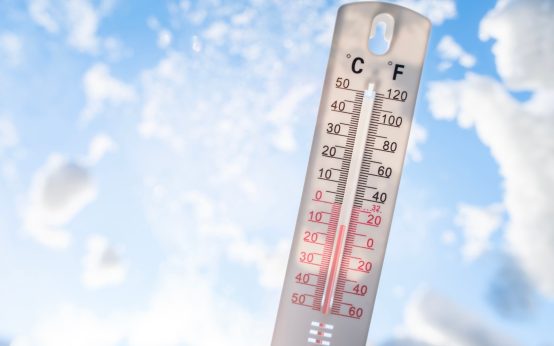 Cold Weather Alerts and El Niño Influence
 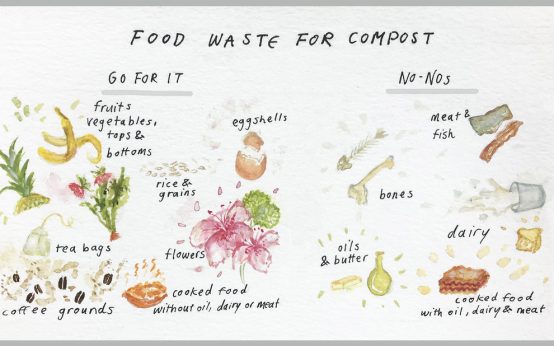 Turning Home Food Waste into Compost: A Guide
  Chicagohenge: When Sunlight Aligns with City Streets
  Fat Bear Week 2026: A Look at the Contest and Its Competitors
  California Governor Declares Statewide Emergency Ahead of El Niño Storms
 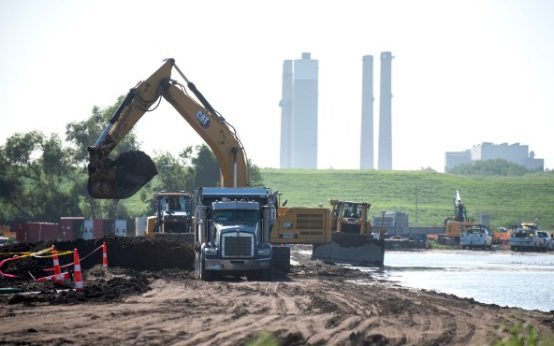 EPA Rollbacks and the Impact on Indiana Communities