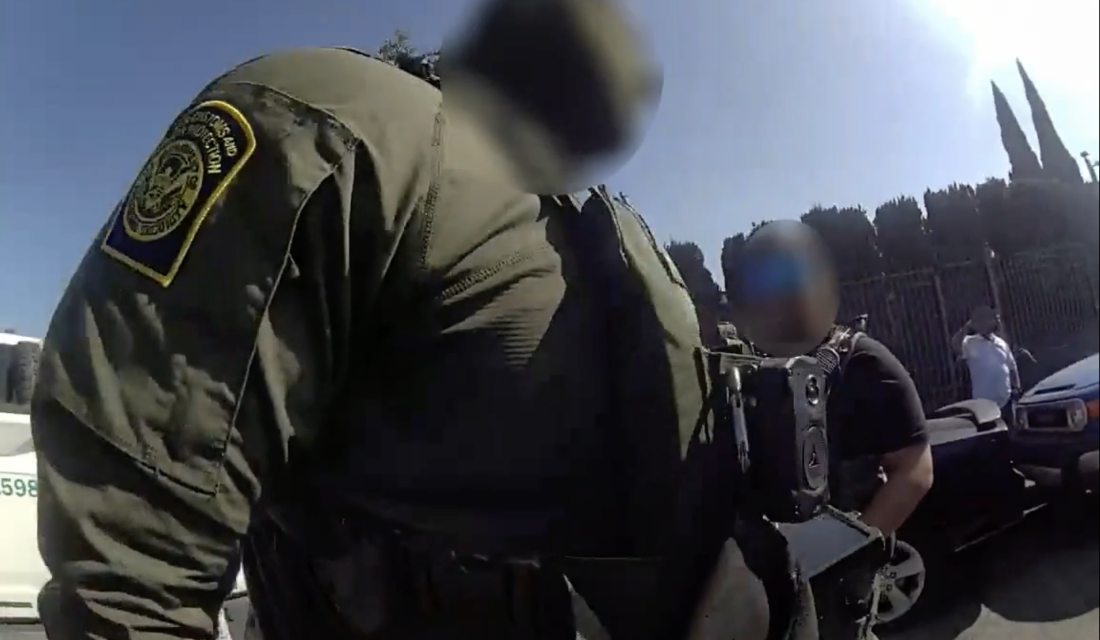
Bodycam Footage Reveals Use of Slurs
In Los Angeles County, bodycam footage, obtained by the ACLU, captures federal immigration officers using racial slurs during a raid. The footage serves as evidence in a federal lawsuit. A Department of Homeland Security agent is heard using a slur, “wet,” referring to a man suspected of being undocumented, an abbreviation of “wetback.” This term has long discredited Mexican and Latin American immigrants.
Additional Examples of Discrimination
Another video highlights two agents using derogatory terms, including “tonk,” related to the sound of a flashlight hitting a migrant’s head. An agent spots someone and describes them as “tonk” in a driver’s seat. Both terms, “wetback” and “tonk,” have been banned by Border Patrol supervisors. The ACLU and other civil rights entities obtained this footage as part of a suit alleging racial profiling by ICE and Border Patrol agents.
Lawsuit Alleges Racial Profiling
The case challenges whether agents, in executing President Trump’s mass deportation agenda, unlawfully detained individuals appearing to be Latino. Though preliminary Supreme Court decisions favored Trump, civil rights attorneys pursue evidence to demonstrate legal breaches.
Agents’ Denials and Legal Proceedings
Mayra Joachin, an ACLU attorney, claims evidence shows agents racially profiled individuals perceived as Latino. The Department of Homeland Security denies targeting individuals based on race.
Search for Evidence
Following aggressive raids targeting workers and vendors across Los Angeles last year, the ACLU and civil rights groups filed the lawsuit. A federal judge initially agreed that operations appeared indiscriminate and issued an emergency order to curtail such actions. However, a Supreme Court conservative majority overruled this decision without explanation.
Justice Brett Kavanaugh acknowledged apparent ethnicity as a factor but insisted racial profiling isn’t permissible. Attorneys are gathering evidence in light of the Supreme Court’s opinion to assert racial profiling is consistent in immigration stops.
Request for Additional Evidence
The presiding judge ordered the DHS to provide bodycam footage, text messages, and additional evidence from operations. Despite DHS’s stance against racial profiling, the ACLU argues released records contradict their claims.
Text messages among agents revealed derogatory references to individuals, describing them as “tonks” and “wet,” shining light on alleged indiscriminate detainment based on ethnicity.
Calls for New Restrictions
In response, DHS provided a brief, non-direct acknowledgment of the footage. The ACLU’s injunction request against ICE and Border Patrol relies on this evidence as attorneys appeal to Judge Frimpong for new restrictions on agents.
Mayra Joachin emphasized the need for agents to confirm specific facts before detaining individuals, stressing constitutional protections against unreasonable searches.
Advocates demand documentation of specific suspicion factors for detained persons, seeking to curb racial profiling in immigration enforcement.
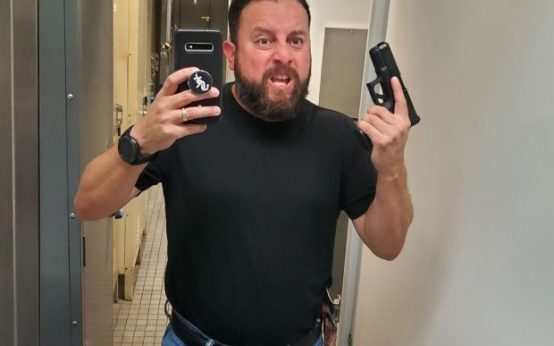 Luis Uribe Convicted for Crimes Against Sex Workers
  Former Cornell Student Files Lawsuit Against University for Alleged Sexual Assault
  Fatal Car Crash Involving Undocumented Immigrant in Grand Rapids
  Prosecutors Oppose Kohberger’s Appeal in Idaho Student Murders Case
  Former Bank CEO Sentenced for Fraud and Sanctions Evasion
  Ohio Murder Trial: Investigators’ Search for Missing Gun