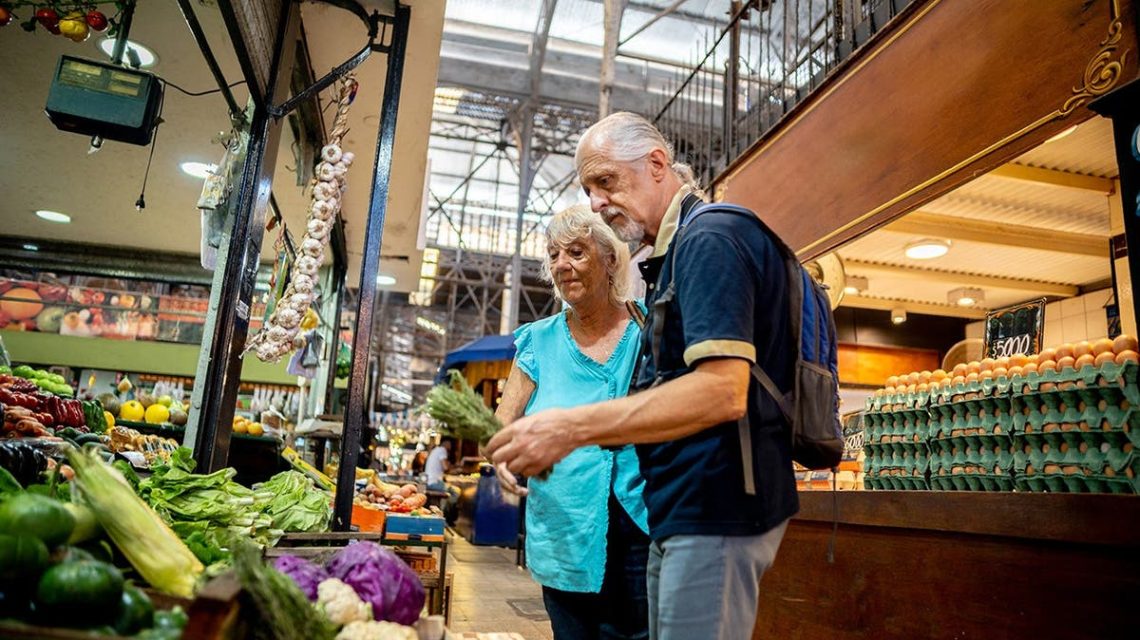
Grocery shopping has transformed significantly over the past five decades. Not everyone is pleased with these changes, especially baby boomers, defined as those born between 1946 and 1964. Their dissatisfaction primarily surrounds modern grocery store features, as reported by The Takeout.
Self-Checkout Preferences
Technology in grocery stores is a major concern for boomers. A YouGov survey revealed that 62% of those aged 65 and older prefer cashier-assisted checkout when given the choice, while 34% prefer self-checkout. Among those aged 45-64, 50% favor cashier assistance, and 44% choose self-checkout. For the younger demographic, aged 18-29, 52% prefer self-checkout, with only 26% opting for cashier-assisted checkout.
Boomers dislike self-checkout due to issues like weighing produce, the absence of human interaction, and feeling as though they are performing unpaid work.
Choice of Grocery Stores
Baby boomers prioritize cleanliness and organization in grocery stores. A 2024 survey by the Feedback Group showed boomers prefer traditional supermarkets, with 32% choosing supermarkets as their primary shopping venue, and 28% selecting Walmart. In contrast, Gen X favors Walmart (28%) over supermarkets (25%). Gen Z prefers Walmart (23%), followed by Aldi (20%), dollar stores (17%), and club stores (15%), ranking traditional supermarkets last at 11%.
Product Searches
Retailers strategically arrange products to encourage longer shopping visits and increased purchases. Frequent relocations of items are a common grievance among shoppers, as highlighted by The Takeout.
Challenges with Digital Coupons
Technology usage has grown among those aged 65 and older, but boomers often criticize digital-only coupons, which seem biased against those without smartphones. Trader Joe’s, noted for not offering discounts, stands as an exception according to The Takeout.
Shopping Cart Preferences
For many older adults, shopping carts serve as aids for mobility and stability. Boomers express frustration at having to pack their own groceries, as many stores no longer employ dedicated baggers. Easy-to-maneuver shopping carts are highly valued by this generation.
Name Brand Loyalty
Younger generations tend to purchase budget and off-brand products, but many boomers prefer sticking to name brands. A Numerator survey found that more than 26% of boomers rarely consider switching from their favorite brands.
Impact of Sold-Out Products
During the COVID-19 pandemic, many faced out-of-stock items, yet boomers have shown less acceptance of this issue. Retirees, often on fixed incomes, depend on sale items, so product shortages can create significant financial challenges.
Concerns Over Understaffing
Recent years have seen food retailers grapple with staffing issues, directly impacting boomers. Social media comments indicate that boomers attribute understaffing to longer lines, slower service, and decreased chances for interaction with store employees.
Lack of Grocery Baggers
Alongside complaints about self-checkout and understaffed stores, boomers are unhappy with the decline in dedicated grocery baggers. Social media discussions reveal a general dissatisfaction with having to handle their own groceries.
Convenience Food Trends
The U.S. Department of Agriculture found millennials spend more on prepared grocery meals. Prepared foods are costly compared to meals cooked from raw ingredients. Yet, 29% of those aged 65 and older purchase prepared foods for convenience, a number that rises to 45% among those aged 15 to 24, according to FMI research.
Teresa Mull is a freelance writer with the Lifestyle team at Fox News Digital.
 Chicagohenge: When Sunlight Aligns with City Streets
  The Rise of Pickle-Flavored Snacks in America
  Unexpected Surprise for Photographer with Amazon Purchase
  The Evolution and Challenges of Friendly’s Restaurant Chain
  Addressing Concerns over Parental Guidance
  Trace Gallagher’s Insights on Parenting in a Modern World