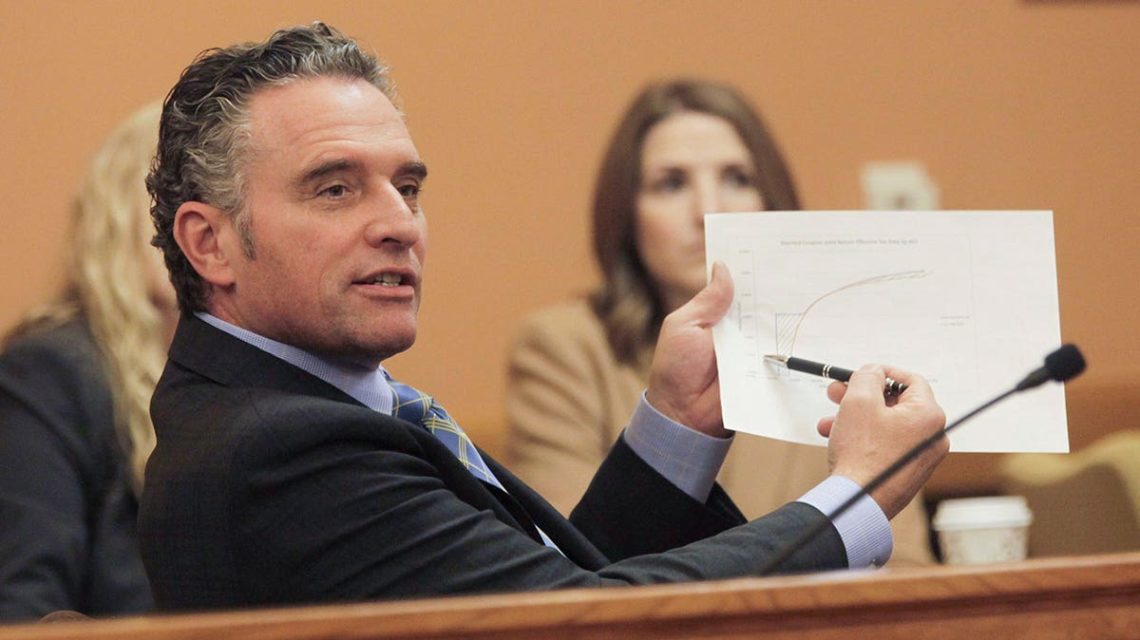
In the deep red state of Kansas, Democrats are aiming to maintain control of the governor’s office by promoting Cindy Holscher as their candidate. The upcoming election on November 3 will see Holscher facing off against Republican nominee Ty Masterson.
Democratic Governor Laura Kelly, who has reached her term limits, is leaving office, creating an opportunity for the Democratic party to extend their hold despite the state’s strong Republican leanings. The GOP considers this open-seat race a prime chance to regain control of the governorship after Kelly’s two terms.
The Democratic lineup included state senators Ethan Corson and Cindy Holscher, along with Curt Skoog, mayor of Overland Park.
“2026 Midterms: Primaries, Key Races and Election Results,”
Republican Ty Masterson, currently serving as Kansas Senate President, seeks to follow Democratic Governor Laura Kelly in the 2026 election. The competition in the Republican field was intense, offering voters a variety of choices.
Among the Republican candidates, Secretary of State Scott Schwab, Senate President Ty Masterson, Insurance Commissioner Vicki Schmidt, former Johnson County Commissioner Charlotte O’Hara, businessman Nick Reinecker, businessman Philip Sarnecki, and former Johnson County Sheriff Stacy Rogers competed for the nomination.
Simultaneously, Kansas held a primary focusing on a constitutional amendment. The amendment aims to replace the existing system for appointing Kansas Supreme Court justices with direct elections. Backed by Republican lawmakers, this proposal follows years of criticism from conservatives regarding the state’s judicial selection process. Approval would lead to changes in the Kansas Constitution, requiring the election of Supreme Court justices rather than selection through the state’s nominating commission.
The forthcoming election will determine who fills the governor’s seat in the Kansas Statehouse. Republicans endeavor to achieve unified control of state governance.
The winner of the November election will become Kansas’ governor, succeeding Kelly when she reaches her term limit in January. The state’s governorship has seen frequent changes in recent election cycles, alternating between Democratic and Republican leadership. Despite Kansas’ strong Republican tendencies, including a 57 percent vote for President Donald Trump in 2024, this election remains uncertain.
Amanda Macias specializes in business, economics, and politics, focusing on how policies influence markets, businesses, and American workers.
 Experts Doubt Export Ban Will Lower Fuel Prices
  Trump Delivers Warning to Iran, Cuba at UN General Assembly
  Trump Delivers Stern UN Speech on Iran, AI, and Global Security
 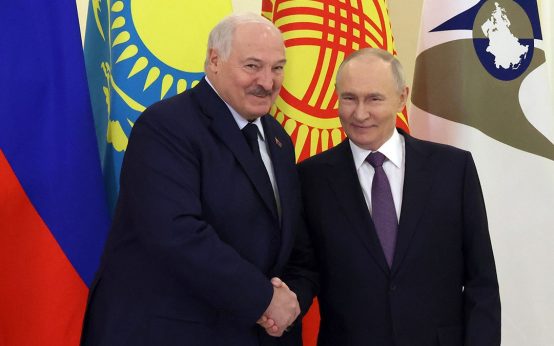 Lukashenko and Putin’s Unique Relationship and Belarus’ Strategic Role
 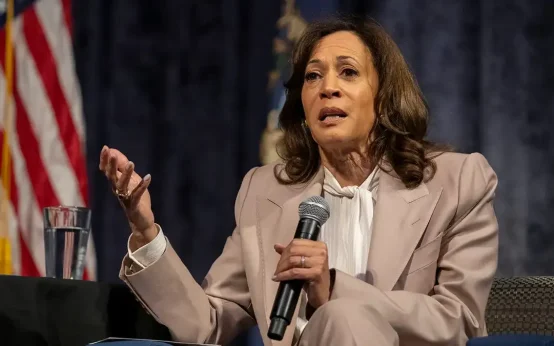 Harris Discusses Potential 2028 Presidential Run
  Far-Left Groups Allegedly Organize Protests in Austin