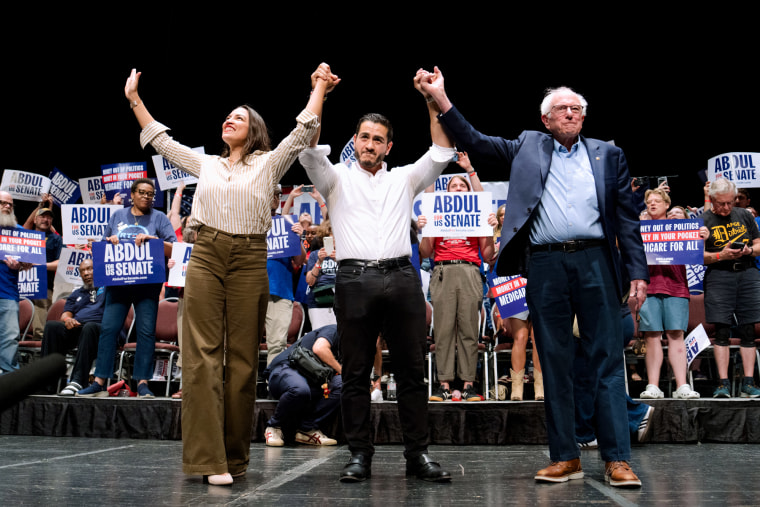
Abdul El-Sayed emerged victorious in Michigan’s Democratic Senate primary, defeating Rep. Haley Stevens in a closely contested race. His win signifies a significant step forward for the progressive left in the Midwest during this midterm cycle.
El-Sayed triumphed despite facing a nearly $65 million surge of outside spending favoring Stevens. Popular Michigan Governor Gretchen Whitmer endorsed Stevens late in the campaign, attempting to halt El-Sayed’s momentum.
As a former public health official, El-Sayed now moves on to face off against former Rep. Mike Rogers, the unopposed Republican nominee. Their November race is anticipated to be highly competitive and may decide Senate control. The winner will succeed Democrat Sen. Gary Peters, who opted against a third term and supported Stevens in the primary.
Republicans currently hold 53 Senate seats, while Democrats strive to gain four seats for a majority. However, Democrats must also defend seats in battleground states like Georgia and Michigan. President Donald Trump, who endorsed Rogers early, secured wins in Michigan in 2016 and 2024 but lost to Joe Biden in 2020.
Rogers and other Republicans perceive El-Sayed as a more manageable opponent than Stevens. The National Republican Senatorial Committee created a digital ad highlighting El-Sayed’s progressive ties and Sen. Bernie Sanders’ endorsement, a tactic seen as boosting him in the general election.
Sen. Sanders and Rep. Alexandria Ocasio-Cortez campaigned in Michigan for El-Sayed, who emphasized “Medicare for All,” criticized political financing, and opposed Stevens’ support for aid to Israel. The primary served as a gauge of whether a populist movement could succeed in the industrial Midwest.
El-Sayed’s stance on Israel, describing actions in Gaza as genocide, resonated in Michigan, which has significant Arab American and Muslim populations. He also criticized Stevens for corporate PAC funding and significant support from allies, including $30 million from a group associated with the American Israel Public Affairs Committee (AIPAC).
Throughout the primary, Stevens and her supporters spent substantially more on advertising than El-Sayed. “If you need a $60 million crutch, you probably can’t be elected on your own terms,” El-Sayed remarked during a Detroit debate.
Stevens aligned with the Democratic establishment, securing endorsements from Whitmer, Peters, and Senate Minority Leader Chuck Schumer. Although El-Sayed gained support from progressive leaders like Sanders and Ocasio-Cortez, he also received backing from the United Auto Workers, a significant Michigan presence.
The primary’s concluding month grew more hostile after Democrat Mallory McMorrow withdrew and endorsed El-Sayed. Her exit made the contrasts between Stevens and El-Sayed more noticeable.
El-Sayed’s election-night rally drew attention at Detroit’s Majestic Theatre. Stevens criticized him for emphasizing national over local issues, a sentiment reinforced by Whitmer’s late endorsement.
An El-Sayed donor call, leaked to the media, indicated his potential victory could impact the 2028 elections and prompt primary challenges against figures like Sen. John Fetterman, whom El-Sayed described starkly.
Stevens capitalized on social media discussions about her Midwest accent, connecting it to her commitment to local voters’ needs. El-Sayed maintained focus on grassroots politics. “This is about whether you deserve a politics of the people, by the people and for the people,” he stated, distancing himself from corporate influence.
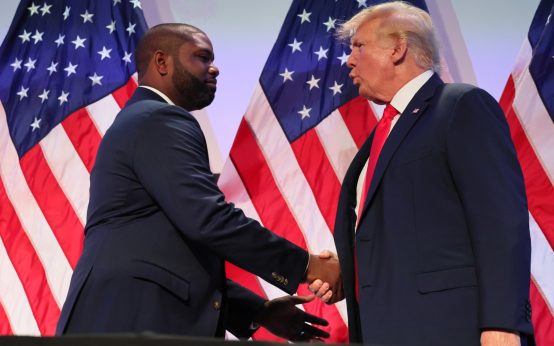 Florida Governor Race: Byron Donalds Adjusts Campaign Approach
 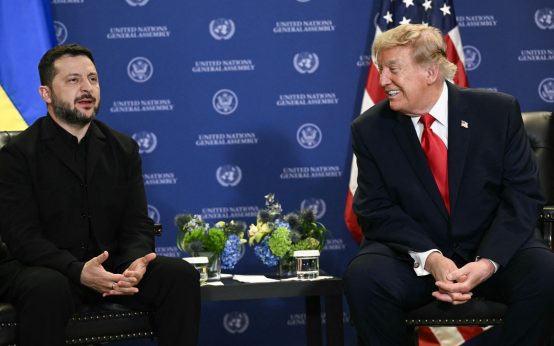 Trump Meets Zelensky and Plans for U.S.-China Relations
 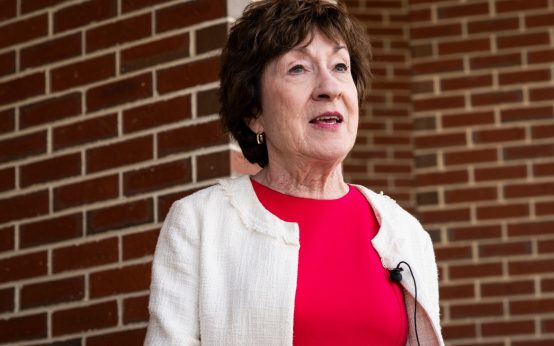 Tight Senate Race in Maine as Susan Collins Faces Criticism
 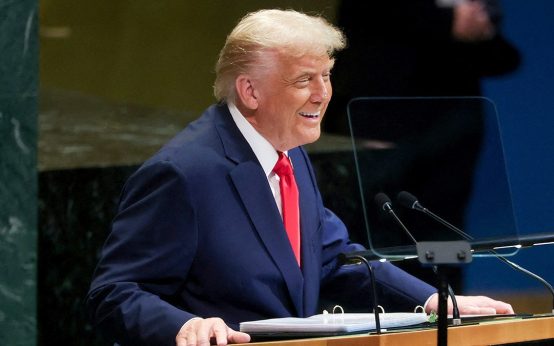 Trump’s Vision on Iran, AI, and Global Security at the UN
 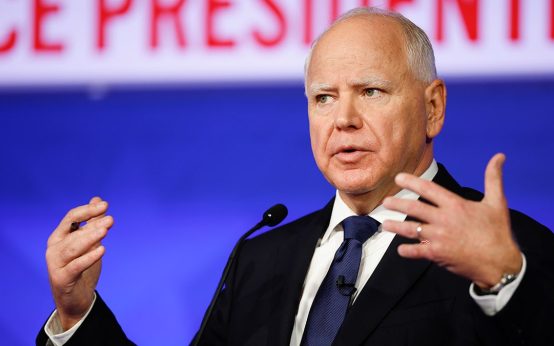 Noncitizens Charged with Voter Fraud in the U.S.
 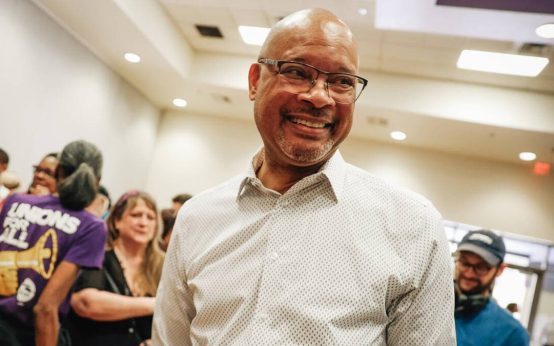 Nevada Attorney General Faces Questions Over Clemency Support for Convicted Killer