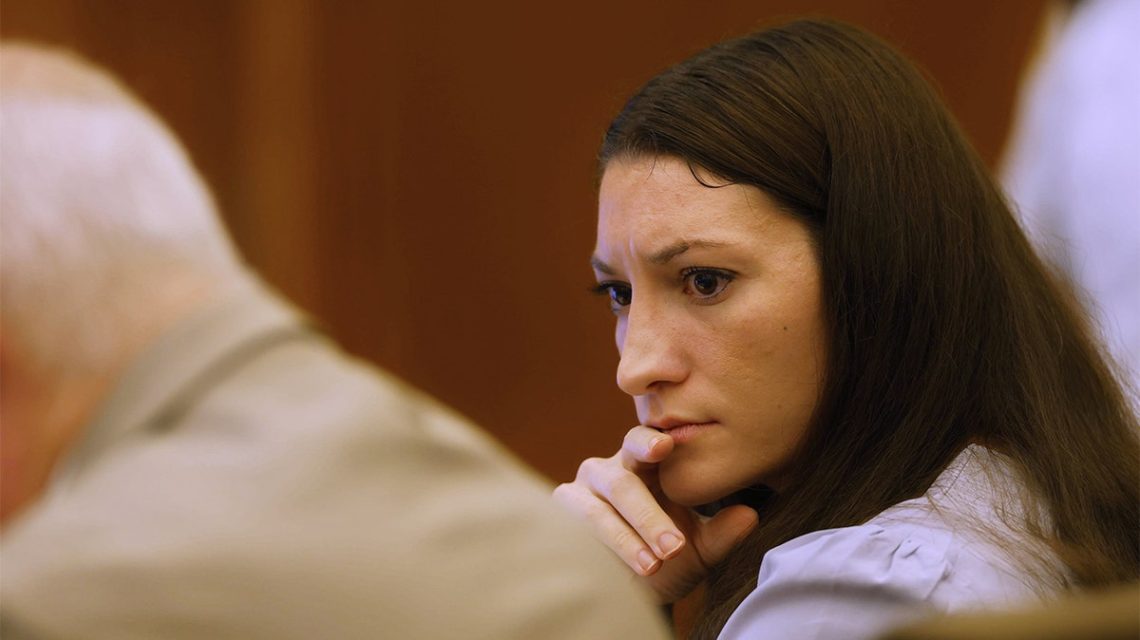
Lindsay Clancy appeared in court, responding to questions as she agreed to let prosecutors consider certain forensic facts as established. This development focuses her murder trial on whether she was criminally responsible for the deaths of her three children at their Duxbury home.
Process and Evidence
Before the jury entered, Judge William Sullivan questioned Clancy about a stipulation that covered specific evidence. He asked her if she understood that by signing the stipulation, the prosecution did not need to prove certain facts. Clancy affirmed, “Yes, Your Honor.” Judge Sullivan ensured Clancy understood the agreement was made voluntarily, without coercion.
Defense attorney Kevin Reddington stated that this stipulation eliminates the need for multiple witnesses to discuss the chain of custody for various physical evidence like blood and DNA. He emphasized that this stipulation was not an admission of guilt for the deaths of Cora, 5, Dawson, 3, and Callan, 8 months old.
“We have not been contesting the government’s case in chief,” Reddington mentioned.
Legal Strategy
Margaret McLean, a former prosecutor and trial attorney, explained the defense’s approach. It aims to focus jurors on Clancy’s mental state rather than repetitive forensic testimony. McLean said Clancy’s responses should not reflect her mental state on January 24, 2023, the date of the alleged crimes.
“The Commonwealth must prove her sanity beyond a reasonable doubt at the time the crimes occurred,” McLean stated.
Forensic Testimony
Massachusetts State Police Trooper Jonathan O’Loughlin testified about evidence from the crime scene. Investigators could not recover usable fingerprints from a knife or three exercise bands found in the home. O’Loughlin clarified that there wasn’t enough detail to identify anyone from the knife’s friction-ridge impression. The exercise bands produced similarly unhelpful results.
Reddington concluded by stating, “You didn’t get any fingerprints,” to which O’Loughlin affirmed, “Correct.” He explained the fragility of fingerprints and how various factors can affect their presence.
Implications for the Jury
McLean noted that the absence of fingerprints might lead jurors to question whether the items were wiped or gloves were used. However, she warned that jurors should not speculate without evidence.
McLean emphasized, “They can’t speculate about things not in the evidence.”