
A Senate committee voted along party lines to hold Dr. Anthony Fauci in contempt of Congress for refusing to answer questions related to his handling of the COVID-19 pandemic. This sets the stage for a potential investigation by the Department of Justice concerning whether Fauci exercised his constitutional rights appropriately.
The vote follows an incident where Fauci invoked his Fifth Amendment right against self-incrimination more than 100 times during his appearance before the Senate Committee on Homeland Security and Governmental Affairs. This has stirred legal questions about Congress’s power to compel testimony from a witness who has been pardoned.
Committee Chairman, Republican Sen. Rand Paul of Kentucky, advocated for the contempt finding. He argued that Fauci’s constitutional protection was invalid because he received a pardon from Democratic President Joe Biden last year, which removed the threat of federal prosecution. Paul plans to send the referral directly to the Justice Department without the full Senate’s approval, sparking Democratic concerns about its legal basis.
Dr. Fauci faced no risk of federal prosecution. All he had to do was tell the truth.
In a statement, Fauci explained his decision to invoke his Fifth Amendment rights due to credible concerns about criminal charges. He cited Paul’s determination to trap him in statements that could lead to incarceration, as publicly pledged by Paul.
David Schertler, Fauci’s lawyer, has characterized the contempt resolution as an extension of Senator Paul’s vendetta against Fauci, who has had a 50-year career in public health. Schertler accused Paul of misusing his power by trying to involve the Justice Department unjustly.
The Senate should reject Senator Paul’s meritless and politically-motivated contempt resolution. Dr. Fauci has committed no crime – and Senator Paul knows it.
The pardon from Biden is comprehensive, covering actions from 2014 through January 2025. However, it does not safeguard Fauci from state-level or specific federal investigations should lawmakers find his testimony false.
Democrats unanimously opposed the contempt resolution, agreeing with Fauci that he had valid reasons to fear self-incrimination due to Republicans’ desires for his prosecution concerning COVID-related issues. The Trump administration has questioned the validity of Biden’s pardons, pointing to his frequent use of an autopen for official actions.
Sen. Maggie Hassan, D-N.H., remarked that the strategy was to elicit a misstatement from Fauci, facilitating the DOJ’s potential filing of criminal charges for new statements not covered by the pardon. She emphasized that invoking his constitutional right was necessary to avoid such a trap.
Paul’s plan to bypass the full Senate involves sending the referral straight to the Department of Justice, leaving the decision to investigate or prosecute with the U.S. attorney in Washington. A congressional referral does not force prosecutors to act.
Sen. Gary Peters of Michigan, the committee’s senior Democrat, warned that punishing a witness for exercising Fifth Amendment rights could hinder future congressional oversight efforts. Peters expressed that it sets a precedent where witnesses might refuse to appear before Congress due to fears of punishment, even when complying with constitutional protections.
 Sensitive Discussions During Trump’s National Archives Visit with Xi Jinping
  Zohran Mamdani’s Child Care Initiatives May Influence Other Leaders
  Ted Cruz Leads College Athletics Regulation Overhaul
 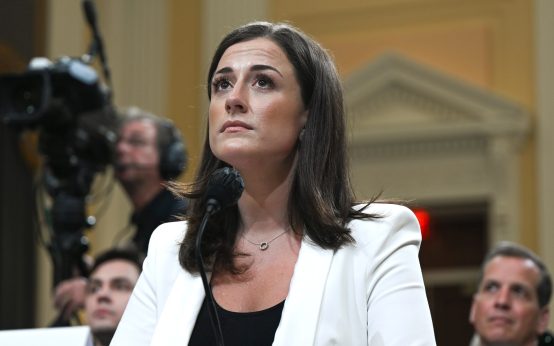 DOJ Investigates Former Trump Aide Amid Defamation Suit
 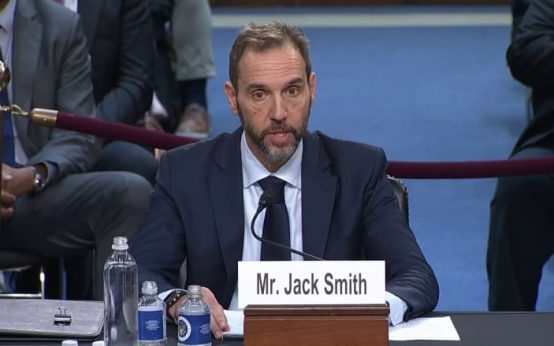 Key Developments from Today’s News
  Key Events in Politics and Technology: U.S. and U.K. Developments