
The solar energy sector in the United States is experiencing rapid growth. However, recent decisions from the Trump administration may hinder this progress, particularly following the midterm elections.
On Thursday, President Donald Trump revealed plans to implement a price floor for polysilicon, a critical material used in solar panels and semiconductors. Additionally, a 15 percent tariff will be placed on products made from this substance. This measure aims to enhance the competitiveness of domestic manufacturers against low-cost Chinese importers.
Solar panels, such as those seen in East Lansing, Michigan, exemplify the trend of solar energy expansion. Yet, these newly introduced tariffs could result in increased costs for solar energy production, potentially slowing the industry’s growth.
The administration’s decision reflects an effort to support U.S. producers by making Chinese imports less appealing. Still, the policy may create economic challenges for the solar sector, which relies on cost-effective materials to maintain its expansion.
 Transitioning from Pig Farming to Mushroom Production in Iowa
  Tropical Storm Polo Threatens to Impact Southern California
  Preparing for California’s Super El Niño
  Helicopter Crash Claims Lives of Two Firefighting Pilots in Yosemite
  Cold Weather Alerts and El Niño Influence
 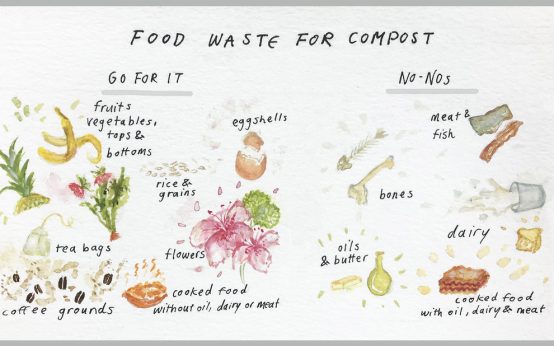 Turning Home Food Waste into Compost: A Guide