
The phrase “Democracy Dies in Darkness” raises the question of why Democrats persist with traditional post-World War II political strategies while Republicans have shifted. This discussion became pertinent on August 9, 2026, highlighting evolving political dynamics.
A historic parallel can be drawn with Eugene V. Debs, a notable socialist leader. Debs delivered a passionate anti-war speech in Canton, Ohio, on June 16, 1918. During the 1910s, socialism gained considerable traction, particularly in urban areas. Debs ran presidential campaigns under the Socialist Party of America, symbolizing this movement.
Recently, two candidates aligned with the Democratic Socialists of America achieved victories in New York City. This development spurred discussions among political observers. When a centrist friend expressed concern, questioning if I was sufficiently alarmed, I responded with a shrug. The historical resonance of socialism’s urban appeal seemed evident. Presently, the Democratic Party is viewed as the natural platform for such ideologies.
 Holding Washington Accountable: Combatting Corruption and Self-Enrichment
  Court Order Leads to Removal of Trump’s Name from Kennedy Center
  Irish Prime Minister Rejects Claims of Antisemitism in Israel Criticism
 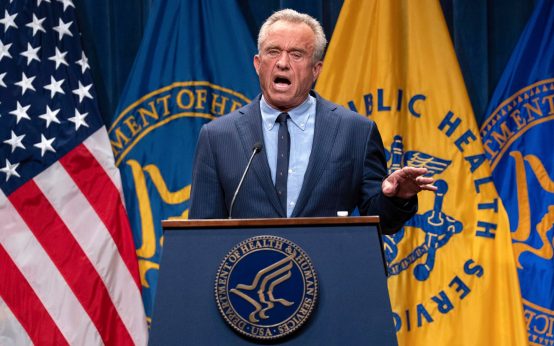 Potential Impact of Changes to the National Vaccine Injury Compensation Program
  Governor Newsom Signs Bills to Protect LGBTQ Community in California
 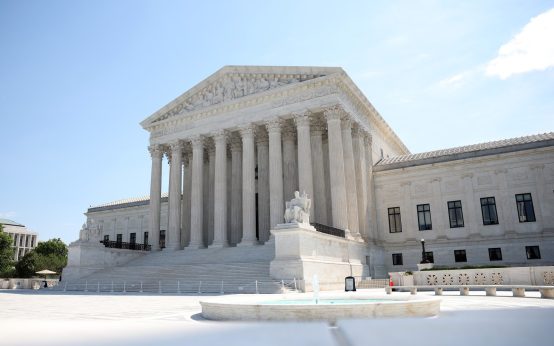 Trump Administration Faces Legal Scrutiny Over Use of Pocket Rescission to Cut Funding