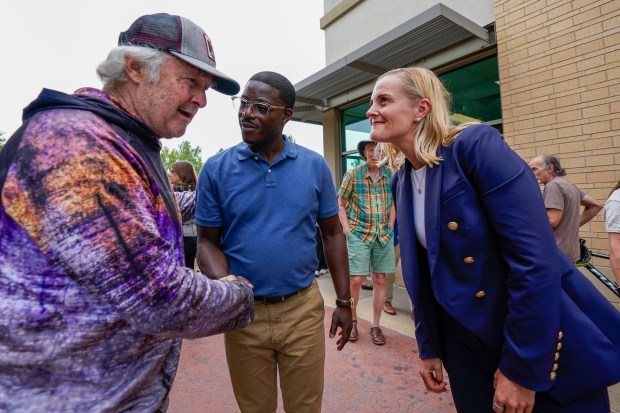
Voters in the Upper Midwest made notable decisions during recent primary elections. These results, from both Democratic and Republican sides, present significant insights into the current political landscape.
Wisconsin and Democratic Politics
In Wisconsin, the Democratic nomination for governor was a tightly contested race. Francesca Hong, who was narrowly defeated, showcased the ongoing struggle within the Democratic Party. Her defeat highlights that ultra-progressive politics might face resistance outside urban and college areas. Despite Hong’s popularity in polls, she lost to Milwaukee County Executive David Crowley, who re-entered the race at the behest of Governor Tony Evers. Crowley secured the nomination by less than a percentage point.
Francesca Hong stirred controversy with a social media post about Thanksgiving, which became a significant issue in her campaign. Although backed by prominent hard-left figures, Hong did not receive endorsements from key progressive leaders like Bernie Sanders and Elizabeth Warren.
Minnesota’s GOP Nomination
In Minnesota, the Republican primary for governor saw Mike Lindell, CEO of MyPillow, lose to Minnesota House Speaker Lisa Demuth. Despite an endorsement from former President Donald Trump, Lindell was defeated. Demuth will face U.S. Senator Amy Klobuchar in the upcoming election, providing voters a distinct choice.
Michigan’s Democratic Contest
Meanwhile, in Michigan, Abdul El-Sayed secured the Democratic nomination for U.S. Senate by a narrow margin over centrist U.S. Rep. Haley Stevens. Although polls indicated a lead for El-Sayed, his victory was less decisive than anticipated. His win highlights the current tension between progressive and centrist forces within the party.
The Bigger Picture
The primaries probe the viability of democratic socialism in the Upper Midwest and within the broader Democratic Party. While a clear answer remains elusive, the elections stress the importance of leadership. Two-term Governor Evers actively campaigned for Crowley, showing the impact of committed leadership in primary contests. His approach underscores that caution often does not yield victory in intra-party battles.
This election cycle reaffirms that pragmatic problem-solving can connect with the majority of Americans, crucial in swing-state and national elections. The path forward involves centrist Democrats engaging actively in internal party debates, as shown by Evers’ example.
 Rep. Rashida Tlaib Faces Criticism for Supporting Socialist Candidates Against Jewish Democrats
  Senator Mitch McConnell’s Health and Political Implications
  Trump’s Transparency Push on Unidentified Aerial Phenomena
 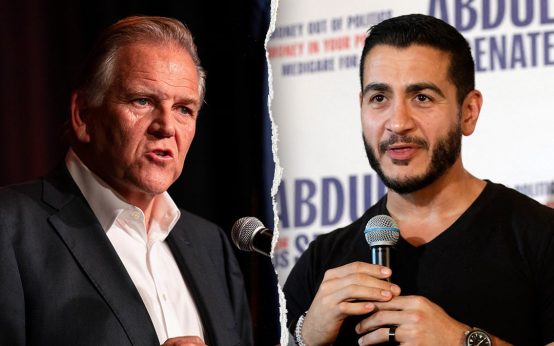 Escalating Political Feud in Michigan Senate Race
 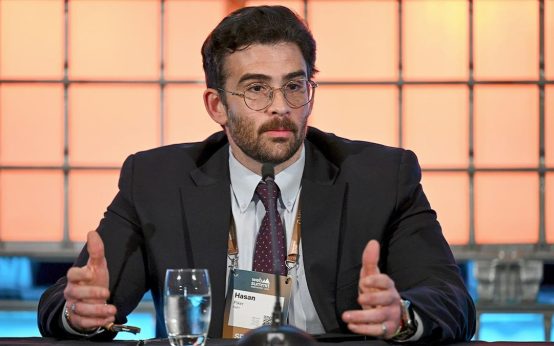 James Carville and Hasan Piker’s Clash Amid Democratic Primary Tensions
 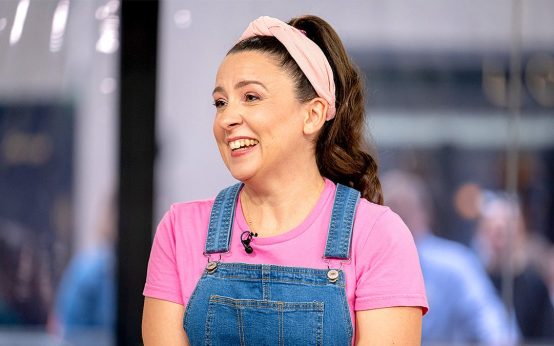 Ms. Rachel Advocates for Reparations Amid Political Engagement