
The Michigan Wolverines made headlines in 2025 with their acquisition of Bryce Underwood, the top recruit of the year. Underwood’s contract came with a lucrative NIL deal, valued at approximately $10 million over his college career, paying nearly $3 million annually.
In his freshman season, Underwood, hailing from Detroit, showed promise but didn’t entirely meet heightened expectations. He amassed 2,428 passing yards, throwing 11 touchdowns and nine interceptions, with a completion rate of 60.3%. His performance on the ground included 392 rushing yards and six touchdowns over 88 carries, contributing to Michigan’s 9-4 season.
Some observers were critical of Michigan’s strategy. A coach opposing Underwood shared concerns with ESPN’s Adam Rittenberg, targeting both Underwood and Michigan’s new head coach, Kyle Whittingham, particularly about developing quarterback talent. “Just because you pay somebody money doesn’t make them good. There’s going to be a little reality check on that,” the coach remarked, noting the absence of quarterback development leading to NFL drafts under Whittingham’s tenure.
A Big Ten defensive coordinator echoed these sentiments, emphasizing the pressure Underwood faces because of his high salary. Expectations from his recruitment create intense scrutiny. “We’ve really put a bull’s-eye on a lot of these kids because of the exorbitant amount that they’re paying them,” the coach added.
Underwood’s performance against Ohio State was particularly humbling, completing only eight of 18 passes for 63 yards and an interception, and managing just one rushing yard in a 27-9 defeat. His outing against Texas in the Citrus Bowl showed mixed results, with 199 passing yards, two touchdowns, and three interceptions.
Despite setbacks in his inaugural season, there’s potential for Underwood to evolve into a formidable player now that he has firsthand experience in Whittingham’s system. The discussion around high-paying NIL deals for freshmen continues, advising programs to be cautious when allocating significant funds based solely on pre-college hype.
This situation highlights the reality of transitioning from high school prospects to college-level players, underlying the necessity for strategic investment in talent development across football programs.
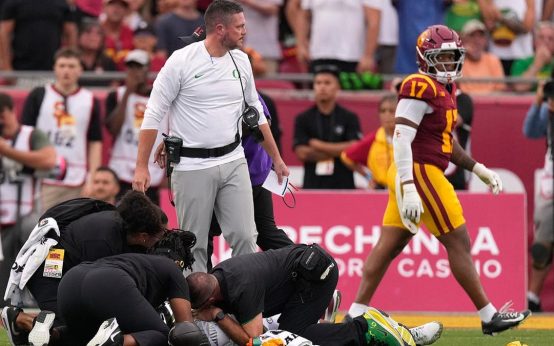 Oregon Legend Dan Fouts Reflects on Football’s Violent Nature
 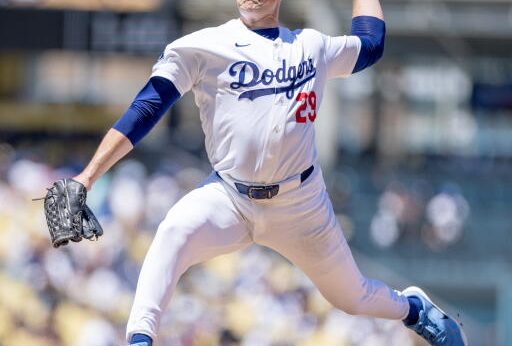 Dodgers Face Braves in NLDS: Game 1 Overview
 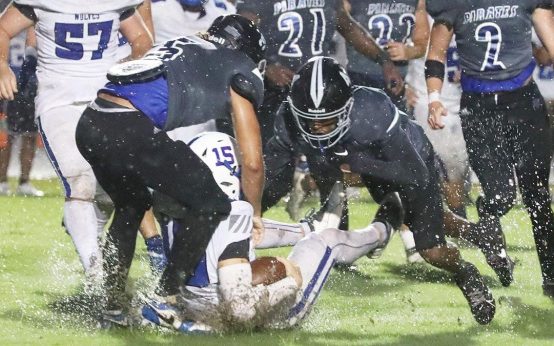 High School Football Game Ends with On-Field Brawl
 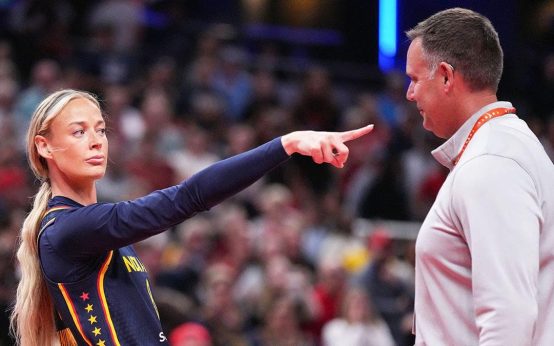 The Indiana Fever’s Heartbreaking Season Finale Against Las Vegas Aces
  Chicagoland High School Football Teams’ Week 7 Results
  An Inside Look at Northwestern’s New Ryan Field