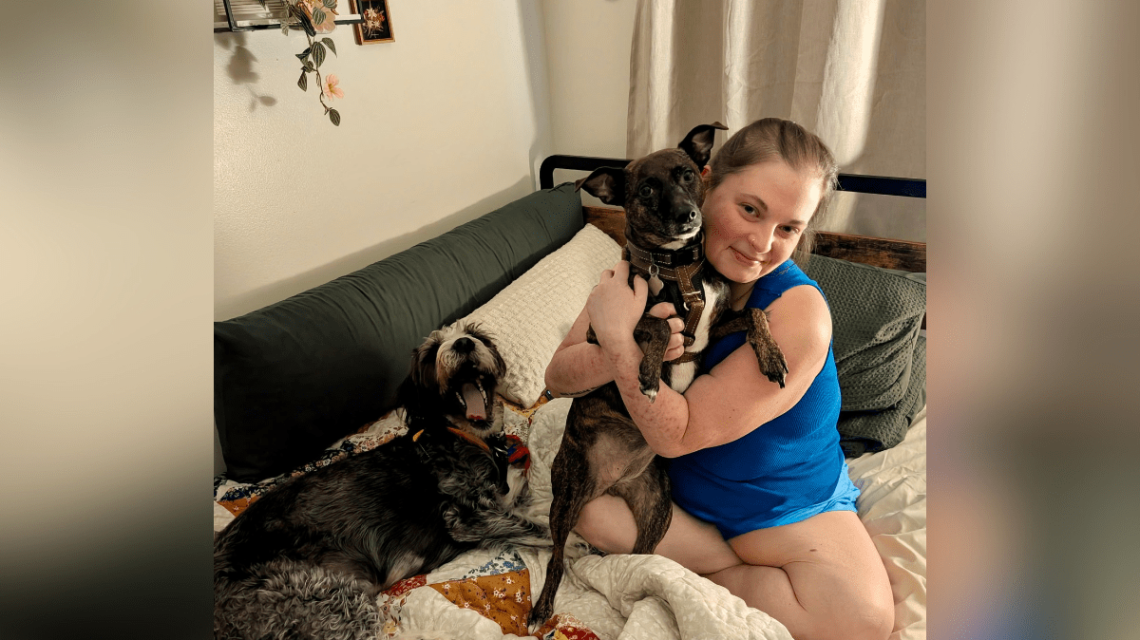
My name is Lizzie, and I’m from central Indiana. For much of my early life, my experiences were rather ordinary. My family consisted of my mom, dad, and older brother, and we were brought up in a loving environment. My brother and I were both adopted since my mother had severe autoimmune issues and couldn’t have children biologically. Everything changed in 2002 when my mother passed away. I was 16 years old. Shortly after, my brother moved out, leaving me and my dad alone until I graduated high school.
Though I grew up in a culturally Christian household, my involvement in church deepened during my teenage years. This intensified in 2005 when I met the man I would marry. He was raised in a strict evangelical setting, and together we became deeply involved in that community. Our lives were filled with church services, Bible studies, youth groups, worship teams, and the teachings of purity culture. We were taught that sex outside marriage was a sin, women should aspire to be wives and mothers, and having children was a divine plan. We married in 2008, and I anticipated starting a family and becoming a stay-at-home mom.
Instead, in 2010, I experienced my first miscarriage. I was around six weeks pregnant when I started bleeding heavily at home, alone. The hours of pain and fear were overwhelming. The response I received was that the miscarriage was part of God’s plan and I should move on. Outwardly, I attempted to do so; but internally, I was shattered.
Preparing for Birth and Death
Depression, anxiety, and post-traumatic stress disorder resurfaced, intensifying my obsession with being the best Christian I could be. Believing I had done something wrong, I prayed continually. I endured years of infertility treatments, medical tests, and invasive procedures, feeling both humiliated and broken. After six years, I became pregnant again in 2016.
But at 19 weeks and four days, we received devastating news. During an anatomy scan, we learned we were having a daughter, but her defects were incompatible with life. She had a giant omphalocele, severe scoliosis, a malformed umbilical cord, and underdeveloped lungs. One specialist suggested termination, while another encouraged continuing the pregnancy. Indiana law forced me to decide within three days. Traveling out of state for termination was financially impossible.
The hope for a new beginning turned into despair. During our next appointment, my husband expressed our wish to give our child a chance. I agreed, hoping for a miracle despite understanding the reality. The second half of my pregnancy involved a mix of grief, prayer, and denial. We convinced ourselves that if enough people prayed, our daughter would heal. Deep down, my doubts lingered.
As her due date approached, we started planning for her death. We asked friends and family to write Christmas cards to her, knowing it would be her only Christmas. Many people became uncomfortable discussing the situation, often avoiding the topic entirely. Their discomfort highlighted the painful reality that many preferred to ignore her existence.
On January 24, 2017, I gave birth to Maggie via C-section. She weighed 4 pounds and measured 16.5 inches. The moment I saw her, I was enveloped with love. She met family, got baptized, and we captured our only family photos. My husband and I spent time alone with her until she passed away five and a half hours later in her father’s arms.
We returned home to emptiness, with an empty nursery and an equally empty apartment. Maggie was cremated, and a memorial service followed a month later. Life went on, filled with further losses and miscarriages. After enduring subsequent miscarriages in 2019, I made the painful decision to stop trying for children. I understood that my survival required putting my health first, free from the relentless pursuit of motherhood.
Life After Motherhood
I pursued a master’s degree around this time and began questioning the religious beliefs that shaped my life. We relocated to Iowa, which provided the emotional space needed for reflection. Over time, I deconstructed my evangelical faith, ultimately leaving Christianity. Now in my 40s, I feel like I’ve become the person I was meant to be—engaged, supportive of LGBTQIA+ rights, committed to therapy, and passionate about women’s health care.
This journey led me to question past decisions, including the impact of carrying Maggie to term. Did my decision truly serve her? Could I have prevented some health issues had I chosen differently? These questions led me to a difficult conclusion: I wish I had terminated the pregnancy. This acknowledgment doesn’t negate my love for Maggie or the value of meeting her. It highlights my belief that abortion can be a compassionate choice. Women should have the right to make personal medical decisions without interference.
The grief would exist, but perhaps other lasting consequences might have been avoided. Maggie remains ever-present in my life. We refer to ‘Maggie energy’ whenever children bring joy and mischief. I carry her ashes in a Claddagh ring, and share stories of her openly, regardless of others’ discomfort.
In her memory, I advocate for reproductive rights and compassionate care. Though I can’t eliminate grief, I aim to support others facing similar losses, reminding them of their autonomy in making personal decisions.
 NFL Drama and Gen Z College Trends
 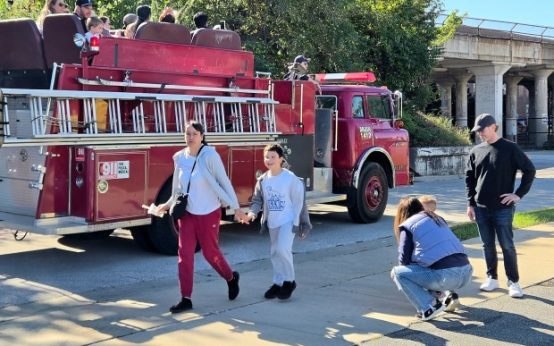 Community Hero Day at Aurora Regional Fire Museum
  Former Special Counsel Jack Smith’s Notable Appearance at Music Festival
 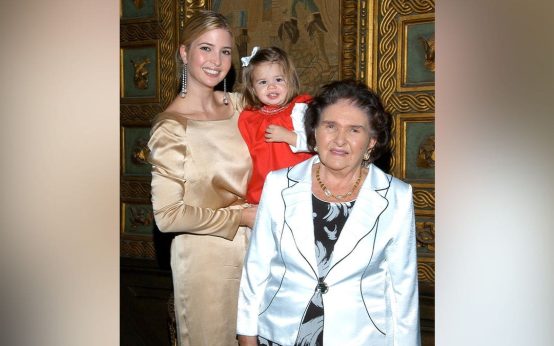 Trump Family Celebrates Milestone Birthday for Ivanka’s Grandmother
  Jim Jordan Considers Amendment to Address College Athlete Unionization
  AI’s Role in Addressing Immigration Legal Shortages