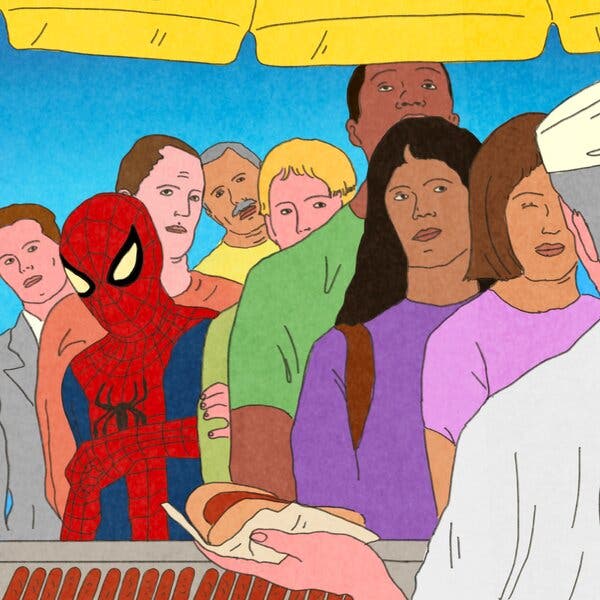
In recent years, the appeal of superhero narratives has waned. Superheroes, with their supernatural powers and indestructibility, struggle to resonate amid real-world complexities. This disconnect raises questions about their relevance today.
Amidst this backdrop, figures like Superman and groups such as the Avengers and X-Men seem less equipped to address current societal challenges. Their battles against alien threats often lead to collateral damage, leaving everyday people to cope with the aftermath.
Enter Spider-Man
In a shift from larger-than-life heroes, Spider-Man emerges as a relatable alternative. Recently, “Spider-Man: Brand New Day” premiered across North American theaters. It captured the audience’s attention, grossing over $500 million domestically in its first week. The global earnings are projected to reach $2 billion.
Spider-Man’s attributes differ from traditional superheroes. He can climb walls, use webs, and possesses superhuman strength. However, he cannot fly and relies on New York City’s skyline for movement. His vulnerability is evident; bullets do not bounce off him, and he even sustains injuries, unlike invincible heroes.
In the movie, Spider-Man’s workshop is an attic, a far cry from high-tech lairs filled with gadgets. His physique is fit but not imposing compared to other superheroes. These elements add authenticity to his character.
Origin and Evolution
Spider-Man’s journey to prominence was unlikely. In the early 1960s, Stan Lee faced skepticism when he proposed the character. The initial response was negative, citing the public’s aversion to spiders and the belief that superheroes should not have personal problems or be teenagers. Despite these challenges, Lee published the story in a canceled comic series in 1962, leading to Spider-Man’s enduring success.
 Ella Langley’s Passion for Hunting
  Stars Shine in Sheer Outfits at Fashion Events
 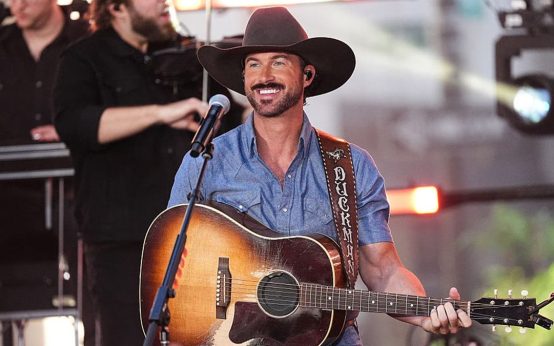 Riley Green’s Successful Elk Hunt in Utah Mountains
 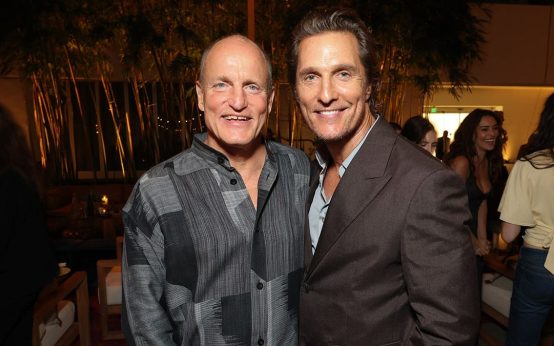 Matthew McConaughey and Woody Harrelson’s Unconventional Friendship
  Dakota Johnson Hosts ‘Saturday Night Live’ with a Unique Twist
  Sunday Sports Highlights and Fan Encounters