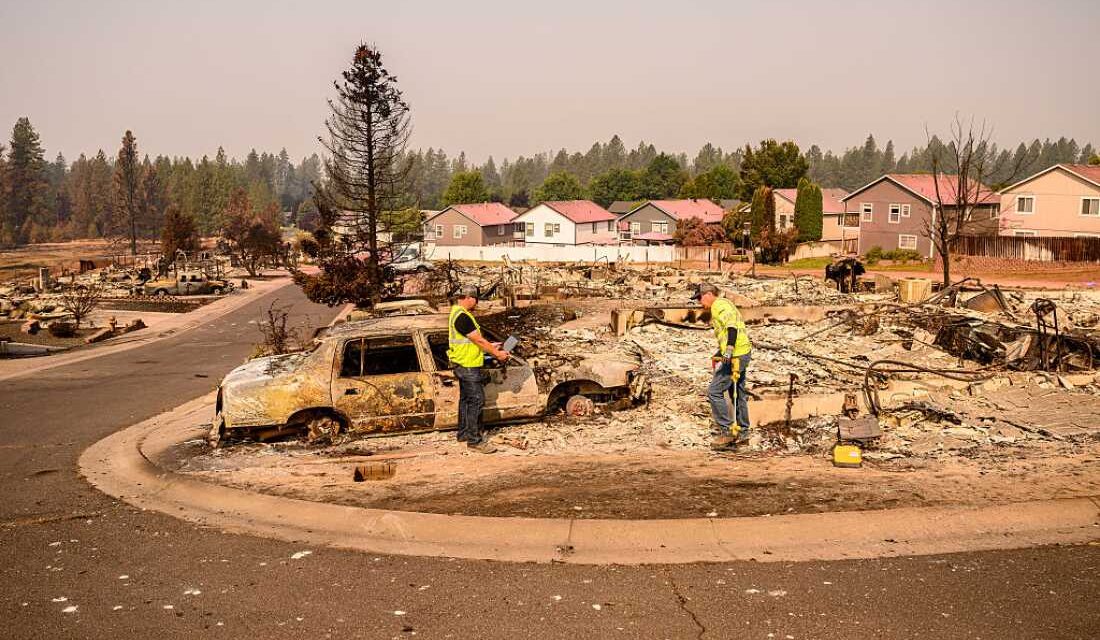
In Spokane, Washington, three wildfires, including the Old Trails Fire, have destroyed over 800 homes and buildings. For years, Washington has debated statewide rules to protect communities from wildfires. When wildfires recently threatened Dave Kokot’s home, he felt prepared. He had invested in fire-resistant materials and cleared vegetation, reducing the risk from wind-driven embers, a major cause of spreading fires.
Kokot’s preparations stem from his background as a fire protection engineer. He’s advocated for mandatory safety measures in high-risk areas, a topic of ongoing debate in Washington. The state has considered regulations for years, with a focus on building codes and vegetation management. However, public resistance led to repeals of some requirements, citing concerns over personal property management. Other states in the West have faced similar challenges.
Wildfire regulations differ across states. While flood risks are federally managed, wildfire rules are state and local matters. This leads to a diverse array of approaches. Ryan Maye Handy from Headwaters Economics highlights the inconsistent measures across the region. The risk of wildfires in Washington is exacerbated by drought and extreme weather, setting the stage for dangerous conditions.
This was a huge part of our city, and many thought we wouldn’t face such a threat.– Dave Kokot
Mapping wildfire risk involves complex modeling, unlike the federal flood-risk maps. In 2023, Washington solicited public feedback on new wildfire hazard maps. Proposed regulations included fire-resistant construction in high-risk areas and managing vegetation to create defensible space. During public hearings, some conservationists opposed the rules, fearing negative impacts on urban tree canopies and natural habitats.
In 2024, Washington passed a bill requiring new wildfire maps with fewer enforced rules. Construction standards still require fire-resistant roofs and siding, but don’t mandate vegetation management. Kokot emphasizes the importance of managing vegetation for firefighter safety when structures are threatened.
Other Western states face similar challenges. Oregon’s attempt at wildfire regulations faced public pushback, fueled by misinformation about vegetation rules and concerns over insurance cancellations. Insurance companies use detailed proprietary maps for their decisions. Consequently, Oregon repealed its rules in response to public outcry.
California has led the way with fire-resistant building codes for two decades. Its regulations include home inspections and proposed stricter vegetation rules within five feet of structures. States like Colorado and Utah have enacted new regulations recently, following significant fires. Yet, some states still lack comprehensive codes or risk maps, leaving communities vulnerable given the rising threat from wildfires.
Handy emphasizes the effectiveness of a unified wildfire building code to reduce risks. Kokot feels fortunate his home was safe, but believes that the evolving nature of wildfires underscores the need for preparedness and action in high-risk areas.
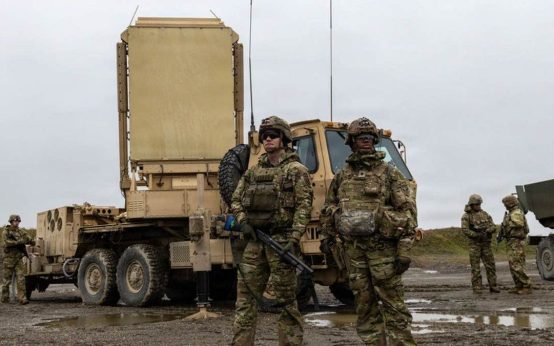 U.S. Military Exercises in Arctic Highlight Strategic Shifts
 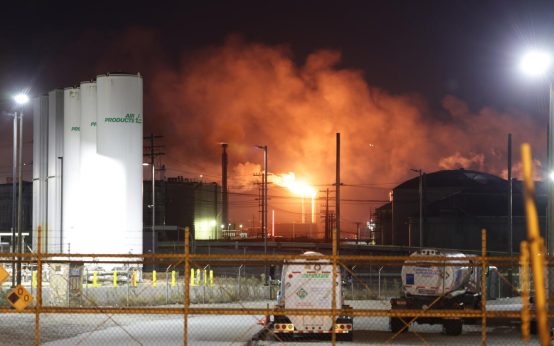 Supreme Court to Hear Landmark Cases on Climate Change and Immigration
 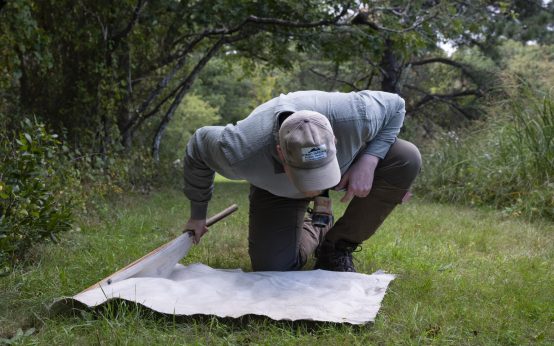 The Growing Threat of Lone Star Ticks on Martha’s Vineyard
  The Growing Threat of Glacial Lake Outbursts and the Urgent Need for Mitigation
  Collapse of Hawaii’s Holei Sea Arch Highlights Nature’s Impact
  Decrease in Atlantic Hurricanes: A 2026 Outlook