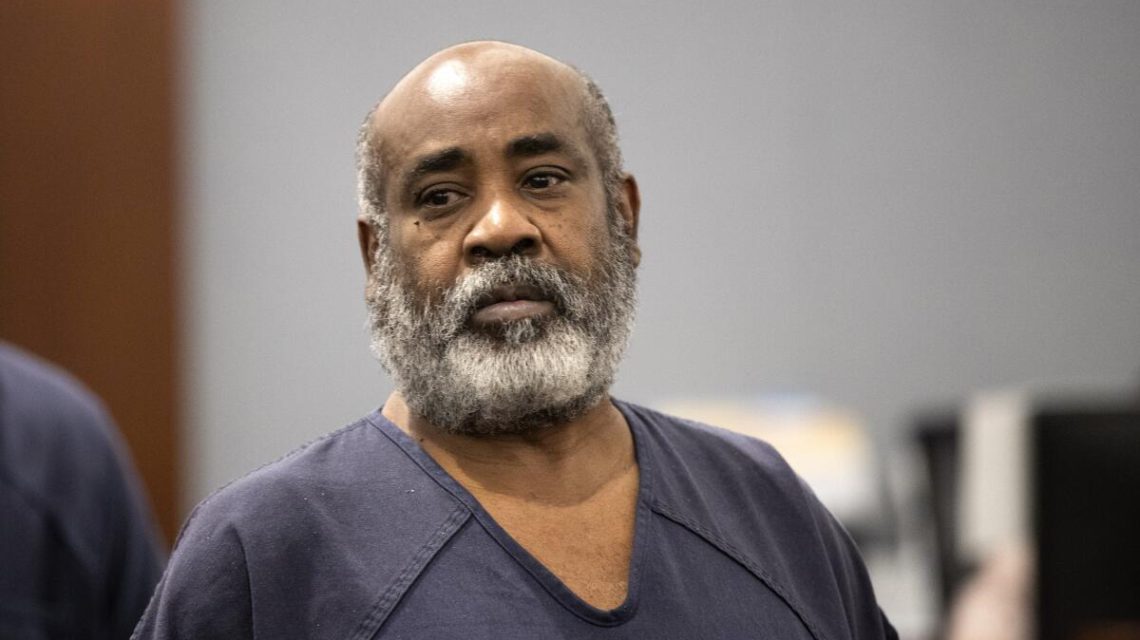
Nearly 30 years after Tupac Shakur was killed near the Las Vegas Strip, the trial of the alleged mastermind began with fresh revelations. Prosecutors claim Duane “Keffe D” Davis, once a Compton gang member, orchestrated Shakur’s murder as revenge for an attack on his nephew earlier that day. Davis’ own words from interviews and a co-authored book serve as evidence.
Background of the Rivalry
In their opening statements, prosecutors explained that a gang feud in Compton led to Shakur’s death. Shakur, a renowned rapper and actor, died six days after being shot on September 7, 1996. The incident was a result of tensions between the Southside Crips-Burris Street, under Davis’ leadership, and Mob Piru, associated with Death Row Records. Shakur was closely linked to Death Row, whose leader, Marion “Suge” Knight, was present during the attack.
The rivalry intensified when the Southside Crips provided security for Sean “Diddy” Combs’ label. This friction reached its peak during a Mike Tyson fight night in Las Vegas, where Shakur’s entourage confronted Davis’ nephew, Orlando “Baby Lane” Anderson, a Mob Piru member. Earlier that year, Anderson had stolen a Death Row Records chain, escalating tensions further.
Duane Davis did not pull the trigger. But he did plan the shooting in retaliation for his nephew’s beating.
Details from the Trial
Prosecutors used Davis’ own admissions, obtained in a 2008 interview with a federal task force, to build their case. They alleged Davis received the firearm from Eric Zip Martin, a drug dealer linked to Combs’ Bad Boy Entertainment. Evidence suggested Davis placed the gun in the back of a car, enabling the shooters.
Davis allegedly pursued Knight and Shakur, seized the chance for retaliatory action, and armed the shooter. His book “Compton Street Legend” and other accounts provided similar narratives.
Davis was arrested in 2023 and later indicted. His defense attorney, Michael Sanft, argued there was no concrete evidence tying Davis to the crime, dismissing previous investigations as flawed. Sanft depicted the involved police departments as incompetent or corrupt and cast doubt on Davis’ memoir’s authenticity.
Prosecution and Defense Challenges
Prosecutors maintain Davis made incriminating statements from 1998 to 2023. An FBI interview in 1998 allegedly had Davis admitting he was in Las Vegas and sought revenge for his nephew’s beating.
Prosecutors highlighted a book by LAPD Detective Greg Kading, who initially exposed Davis’ role. This revelation spurred Davis to publicize his account. The defense insists Davis’ claims are constructs of storytelling, denying his presence in Las Vegas at the time.
Witness Testimonies
During the trial, Garry Dale, a Las Vegas Metro police officer, recalled Shakur’s condition after his shooting and his refusal to name the shooter.
Ingrid Stokes, a witness, testified about her reaction to the shooting scene, citing fear and a common street code guiding her silence. Former Las Vegas Metro Detective Brent Becker confirmed past suspicions of Davis’ involvement in the Cadillac during the shooting.
Davis, aged 63, pleaded not guilty to murder with a deadly weapon aimed at advancing gang activities. Despite the charges, he continues to deny involvement, attributing his book’s content to a ghostwriter.