
Rep. Debbie Wasserman Schultz, sporting patriotic sneakers and a matching manicure, announced her candidacy for reelection to Congress. She is seeking a 12th term, but in a new district after recent redistricting efforts by Republicans.
Republican redistricting in Florida has forced Wasserman Schultz, a seasoned politician and former national party chair, to enter a new race. This move shifted her from her Fort Lauderdale base to a diverse Broward County district. Historically, this area has favored Black Democratic candidates since 1992. The recent U.S. Supreme Court decision weakening the Voting Rights Act facilitated the changes, allowing states like Florida to reshape their House districts without federal oversight.
Former Rep. Sheila Cherfilus-McCormick criticizes Wasserman Schultz’s move as an erasure of Black history and representation. Cherfilus-McCormick, who resigned facing an ethics probe, now aims to reclaim her seat. Elijah Manley, a young progressive, blames the redistricting on Republicans but argues Wasserman Schultz had alternatives.
Wasserman Schultz, who is well-funded, argues her long experience can serve the diverse district well. She objects to claims she is entering the district without understanding it, highlighting her decades of representing varied communities in state and federal roles.
Redistricting in Florida has been driven by efforts to diminish Democratic representation. Governor Ron DeSantis’s initiative seeks to consolidate Democratic voting districts. Although Broward County has a significant Democratic voter base, new maps aim to reduce representation to one core Democratic district around Fort Lauderdale.
Currently, the Congressional Black Caucus faces potential losses due to these changes. The new district is primarily Black and Hispanic, which complicates Wasserman Schultz’s candidacy in this majority non-white area.
Despite losing some Black voters, Cherfilus-McCormick remains confident in her potential success, notwithstanding legal challenges. On the other hand, Manley looks to the future, aiming for stronger Black Democratic unity in upcoming elections.
Local resident Von Howard expressed mixed feelings, wanting a candidate who genuinely comprehends the district’s needs. Marsha Ellison of the Broward NAACP underlined the racial power dynamics influencing the election, voicing concern over maintaining strong representation.
Wasserman Schultz listens to voter concerns, emphasizing her experience and capability. Her Appropriations Committee role, coupled with linguistic efforts such as learning Spanish, underscores her commitment.
Her presence at community events shows her popularity, although she faces criticism from rivals. Supporter Yusdefs Delgado appreciates her efforts, despite not agreeing entirely with her stance. Both Cherfilus-McCormick and Manley stress the racial implications of the election.
Wasserman Schultz acknowledges the district’s demographic composition and defends her choice to run, aiming to oppose what she views as damaging political maneuvers by Trump and DeSantis.
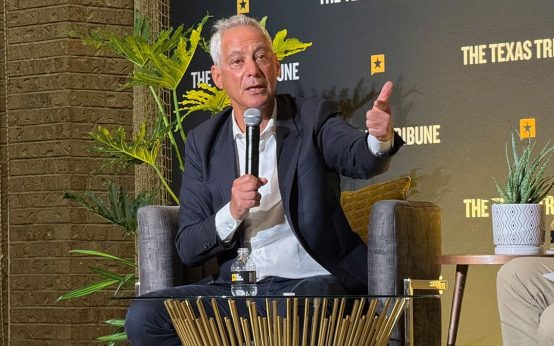 Rahm Emanuel Advises Democrats Against Trump’s Impeachment
 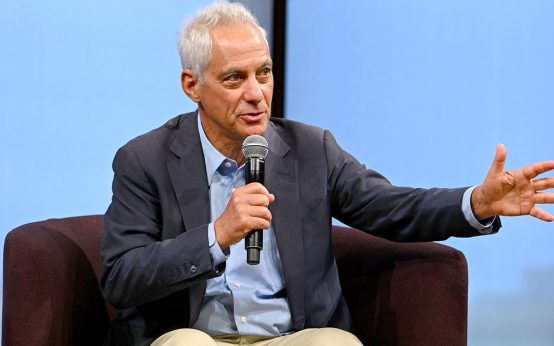 Rahm Emanuel’s Potential 2028 Presidential Bid: Faith, Politics, and America’s Trust
  Speculation Rises Around JD Vance’s 2028 Presidential Bid Following RNC Speech
  Local Resistance to Data Center Expansion Sparks National Debate
  AI Safety Debate Heats Up as Tech Leaders Call for Regulation
  Fraud Prevention Efforts in Obamacare Enrollment