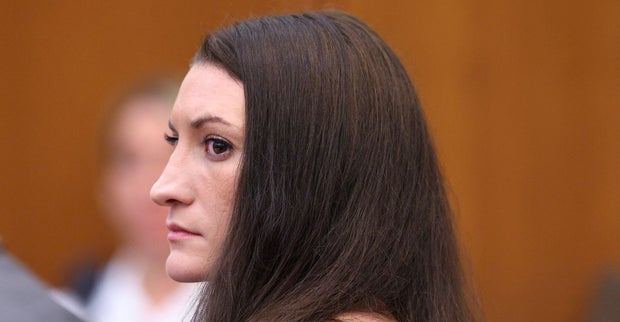
Jurors in the Massachusetts murder trial of Lindsay Clancy have been presented with extensive testimony as prosecutors argue that Clancy should be criminally responsible for the deaths of her three young children in 2023. Despite pleading not guilty, Clancy’s attorneys acknowledge her role in the deaths but attribute her actions to postpartum psychosis and bipolar disorder.
Defense Cites Mental Health Issues
Clancy, aged 36, faces murder charges for the deaths of her children — 5-year-old Cora, 3-year-old Dawson, and 8-month-old Callan — at their Duxbury home on January 24, 2023. Prosecutors claim Clancy planned the murders before pretending to attempt suicide.
Key Developments in the Trial
Testimony from Lindsay Clancy’s Mother
Clancy’s mother, Paula Musgrove, shared a conversation with her daughter regarding harmful thoughts towards her children. Despite these admissions in December 2022, Musgrove did not consider confining Clancy to a mental health facility. Leading up to the tragedy, Clancy reportedly felt paranoid and claimed the medication clouded her mind.
Clancy’s Private Writings
The court reviewed some of Clancy’s internet history and personal notes discovered on her phone. Detailing her emotional struggles, Clancy lamented her feelings of sadness and parenting difficulties. She also questioned her treatment options.
Four days prior to the incident, Clancy’s searches inquired about sociopathic conditions. Her lawyer highlighted other disturbing searches such as methods of self-harm, indicating her mental state at the time.
Emotional Courtroom Outbursts
During the medical examiner’s testimony about the children’s injuries, Clancy broke down emotionally. Paralyzed from a window fall after the events, Clancy was removed from the courtroom following multiple disruptions. The judge advised the jury to remain impartial.
Psychiatrist’s Evaluation of Clancy
Dr. Jennifer Tufts, Clancy’s psychiatrist, testified that she did not observe psychotic behavior during their four-month telehealth sessions. Tufts was unaware of Clancy’s harmful thoughts towards her children, and Clancy expressed numbness and sleep difficulties.
Clancy tried many medications for anxiety and depression but showed reluctance toward pharmaceutical treatment. While prescribed Zoloft, which warns about increased suicidal risks in young people, Tufts stated no evidence indicated similar risks for those over 24.
If you or someone you know is experiencing emotional distress or suicidal crisis, reach out to the 988 Suicide & Crisis Lifeline by calling or texting 988. Additional support is available through the National Alliance on Mental Illness (NAMI) HelpLine at 1-800-950-NAMI or email [email protected].