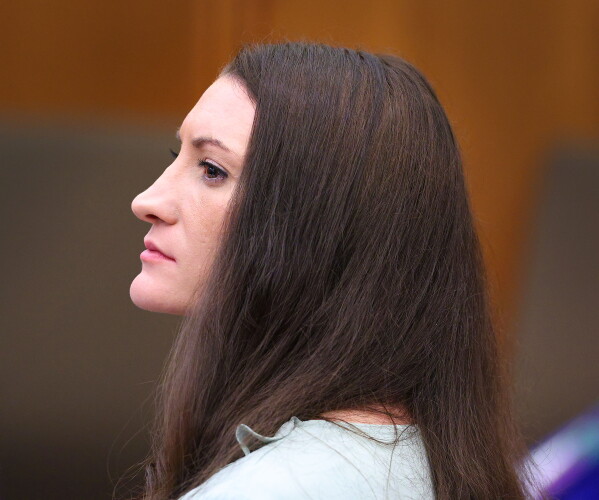
Boston, Massachusetts — The murder trial of Lindsay Clancy enters its fourth week with the defense presenting testimonies about her mental health struggles leading up to the tragic events.
Susan Clancy, Lindsay’s former mother-in-law, testified that Lindsay was ‘begging for help’ before the incident. Susan described Lindsay as a ‘wonderful mother’ and revealed Lindsay expressed to her fears of becoming dependent on benzodiazepines to sleep.
In January 2023, Lindsay Clancy’s children were found strangled in the family’s basement. Lindsay attempted to take her own life and was left paralyzed. Susan Clancy’s testimony aligns with earlier accounts from Lindsay’s mother and sister, detailing Lindsay’s anxiety and paranoia starting in late 2022.
Text messages shared in court show Lindsay’s struggle. On November 30, 2022, she texted Susan saying, ‘I’m not okay and I’m terrified of taking meds tonight,’ demonstrating ongoing mental health challenges.
The trial focuses on Lindsay Clancy’s state of mind. Her attorneys argue she suffered from postpartum psychosis and should not be held criminally responsible, while prosecutors contend she planned the killings.
Paula Musgrove, Lindsay’s mother, testified she spent extended periods with her daughter from October to December 2022 due to concerns about Lindsay’s mental state. Musgrove recounted Lindsay’s acknowledgment of suicidal thoughts and fears about her medications’ impact.
Musgrove revealed that in a December conversation, Lindsay expressed thoughts of harming her children, contributing to the defense’s argument about her mental condition.
Prosecutors claim Lindsay planned the January killings, getting her husband out of the house by sending him to run errands. Yet, Lindsay’s attorney argues her actions stemmed from postpartum psychosis and bipolar disorder, exacerbated by antidepressants prescribed after her third child.
The trial has highlighted Lindsay’s mental health challenges, including instances where she admitted herself to psychiatric care, though witnesses noted inconsistent medication use. The defense claims Lindsay was overmedicated and received piecemeal care, contributing to her deteriorating mental state.
Prosecutors have scrutinized Lindsay’s actions the day of the killings, portraying them as deliberate, while Lindsay’s doctors refuted seeing signs of mania or psychosis, despite her frequent suicidal feelings.
Patrick Clancy shared the trauma of discovering his children’s bodies, with prosecutors presenting his distressing 911 call during the trial. If found guilty, Lindsay faces life imprisonment without parole. Alternatively, a verdict of not guilty due to mental health could lead to her commitment to a state mental institution.
 Cornell University Sexual Assault Allegations and Investigation Developments
 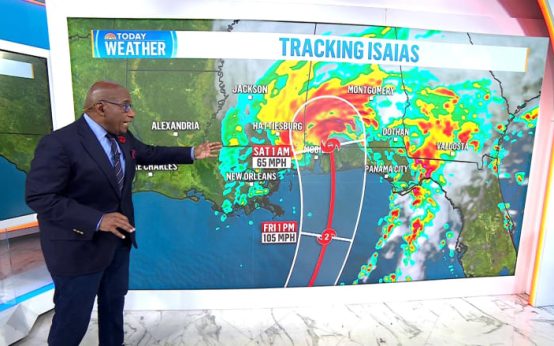 Hurricane Isaias: Impacts and Preparations
 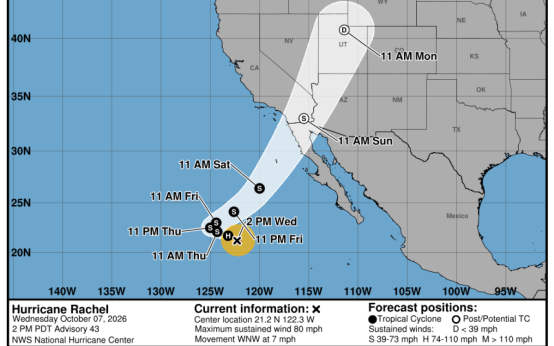 Hurricane Rachel Forecast and Potential Impacts on Southern California
  Fauci’s Diaries Reveal Criticism of Trump and More
  U.S. Forces in Japan Face Curfew Following Marine’s Arrest
  Memphis City Council Meeting Ends in Chaos Over Data Center Vote