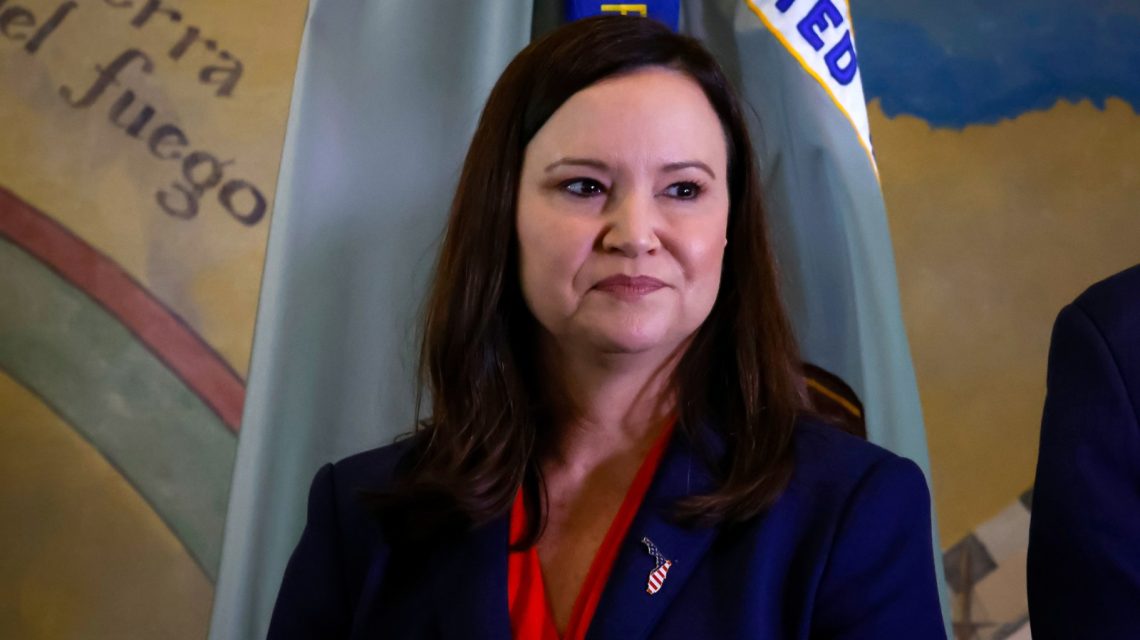
Florida’s Senate race serves as a critical test for progressive influence, featuring a match-up between a progressive Democrat and a Trump-endorsed Republican in President Donald Trump’s home state. Senator Ashley Moody, appointed by Governor Ron DeSantis to replace Marco Rubio when Rubio became Secretary of State, faces her first statewide election as an incumbent. While this position gives her an edge, Democrats see an opportunity to reclaim the seat Rubio held for over ten years.
Angie Nixon: Progressive Democrat
On Tuesday, Angie Nixon emerged victorious in the Democratic primary with 55.2% of the vote, defeating Alexander Vindman with 83% of the votes counted at that time. Nixon, a lifelong Jacksonville resident and former union organizer, now seeks to bring her advocacy for working families to the Senate. Senate Democratic Leader Chuck Schumer and Democratic Senatorial Campaign Committee Chair Senator Kirsten Gillibrand remarked on Nixon’s commitment to supporting Florida’s population, contrasting it with Ashley Moody’s record.
The challenge for Democrats is significant. Florida has leaned toward Republican preferences over the past decade, with the GOP building a voter registration lead and securing most major statewide offices. Although polling indicates Moody is favored, her lead is narrower than in some recent races.
Nixon’s Strengths and Challenges
Angie Nixon is recognized as one of Florida’s leading progressive Democrats, known for her grassroots efforts and criticism of DeSantis and the Republican-led Legislature. Her campaign focuses on reducing costs, raising wages, expanding health care, and engaging working-class voters who often don’t participate in elections. Her connections with organized labor and progressive groups enhance her standing as a voice for the Democratic Party’s activist base.
Support from left-leaning organizations and officials could energize young voters and progressives seeking a distinct contrast to Republican positions. A University of North Florida survey in July showed Moody leading Nixon 50% to 42% in a projected general election. Meanwhile, Marco Rubio overcame a polling deficit against Val Demings in 2022 to win with 57% of the vote.
Betting markets like Polymarket and Kalshi assign Republicans a 91% and 90% likelihood of winning, reflecting strong Republican prospects. Democrats hope a strong progressive message can activate their voter base and attract working-class Floridians concerned about rising living costs. Nixon believes affordability issues provide Democrats a key opportunity in a state grappling with high housing and insurance expenses.
Hurdles for Nixon
Nixon faces significant obstacles, including Republican efforts to label her as far-left and a Florida electorate often resistant to progressive ideologies. South Florida’s Cuban American and Venezuelan American communities have historically resisted candidates seen as too progressive, presenting additional challenges.
Fundraising represents another hurdle. Nixon has raised less funding than Moody and Vindman, posing difficulties in mounting a strong statewide campaign through Florida’s costly media markets. Democrats frequently struggle without major national financial support. Nixon’s success hinges on driving high Democratic turnout and persuading independents that economic issues overshadow ideological gaps.
The pathway exists but remains difficult in a state trending Republican.
Historical Context
The most recent Democratic win in a Florida U.S. Senate race was Bill Nelson’s victory in 2012 against Republican Connie Mack IV, securing a third Senate term. Nelson lost to Republican Rick Scott in 2018, ending a Democratic Senate foothold in Florida. Since then, Republicans have solidified control, winning major elections and achieving a voter registration advantage, complicating Democratic prospects in statewide contests.
These electoral trends underscore the difficulty facing Democrats in November. To triumph, Nixon must overcome Moody’s incumbent advantage and reverse a decade-long Republican-favoring trend. Despite Moody’s current frontrunner status in polling, fundraising, and Florida’s electoral history, affordability issues and national political shifts keep Democrats optimistic about contesting the race.
 Highlights from Recent Political Primaries and Controversies
 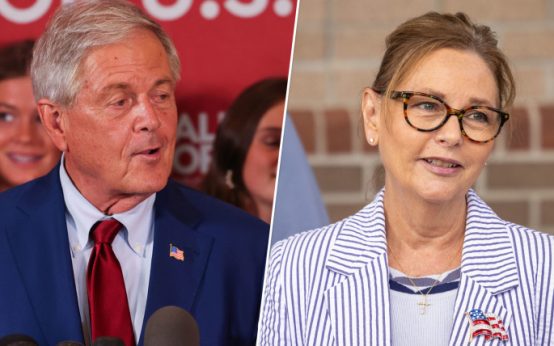 Debate Highlights Between Sen. Darline Graham and Rep. Ralph Norman
  Recent Political Developments and Election Results
  Trump Administration Proposes Rollback of Roadless Rule
  Minnesota Governor Halts Mining Permit Processes Near Boundary Waters
  Florida Primary Elections: Key Results and Developments