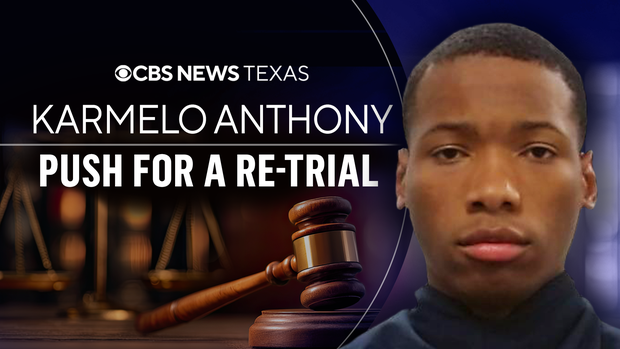
A Texas judge has refused Karmelo Anthony’s request for a new trial in the murder of 17-year-old Austin Metcalf. This decision, issued by Judge Michael Chitty, followed extensive courtroom deliberations that concluded last Friday evening. Anthony, convicted earlier this summer, stands accused of stabbing Metcalf during an altercation at a Frisco ISD track meet in April 2025. The Collin County jury rejected his self-defense claim, concluding that Anthony intentionally murdered Metcalf.
Testimony and Legal Arguments
Testimonies continued through Friday after a day filled with revelations about the backgrounds of Anthony and Metcalf. Notably, two attorneys, who are friends but on opposite sides of the case, exchanged heated words regarding Anthony’s trial fairness. Anthony’s defense argued that his trial was unconventional, suggesting the guilty verdict and 35-year sentence should be nullified.
Defense attorney Toby Shook testified that the prosecution cornered the defense by limiting what Anthony could discuss if he took the stand. This restriction stemmed from a mutual agreement to avoid discussing personal histories of both the defendant and the victim.
Backgrounds Revealed
Both Anthony and Metcalf have contentious pasts, leading to a pre-trial agreement to exclude such information from the trial. However, during recent court sessions, details emerged. Austin Metcalf’s background involved graffiti incidents, racial slurs, bullying, and assault allegations.
On the other hand, Anthony’s past includes threatening texts, stalking, and assault allegations from his teen years in Louisiana, up to his arrest for murder.
Prosecution’s Defense
Prosecutor Bill Wirskye, who handled Anthony’s case, argued that the measures taken were necessary to protect the trial’s integrity amidst public pressures and misinformation. According to Wirskye, these steps, including private pre-trial hearings and restricting backgrounds, were vital to prevent threats and maintain order.
Countering, the defense claimed these tactics denied Anthony a fair trial by effectively hiding pertinent information from both the jury and the public.
Implications
The decision to deny a retrial underscores tensions surrounding legal procedures and public transparency. The raised issues depict a legal system balancing individual rights with broader public concerns, reflecting ongoing debates about justice and access to information.