Bridget María Chesterton, a history professor living near Buffalo, New York, experienced an intense mental health crisis shortly after giving birth. Approximately two weeks after delivery, she found herself disoriented and disconnected from reality, prompting an emergency room visit. Her repeated question, “What’s going on?” revealed her struggle with postpartum psychosis.
Postpartum psychosis is a severe mental health disorder associated with childbirth, affecting 1 to 2 out of every 1,000 women. The condition can lead to symptoms such as disorganized thinking, delusions, hallucinations, paranoia, agitation, and mood changes. Although most affected individuals don’t harm their children, those with severe cases might try to harm themselves or their kids.
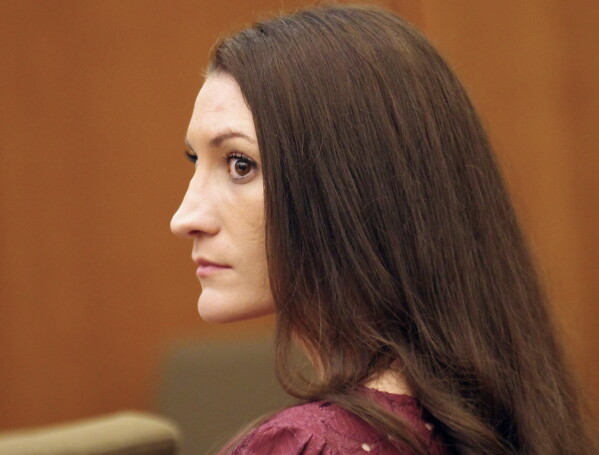
Bridget’s story is set against the backdrop of the high-profile case of Lindsay Clancy, who stands accused of killing her three children. This case has brought postpartum psychosis into the public eye, with debates on whether the condition was a factor.
Chesterton emphasizes the importance of awareness. She is determined to share her story and a poem she wrote, to dispel misconceptions and offer hope to affected families.
Bridget and her husband, James Fitzsimmons, desired a child and went through years of fertility treatments. Despite a challenging pregnancy marked by severe asthma and the premature birth of their daughter, Bridget initially seemed fine after returning home. Yet her mental state deteriorated, manifesting in disorientation and strange utterances.
Her family sought help when she failed to recall significant life details, including the birth of her child. They connected her with specialists at BryLin Hospital in Buffalo, where she received crisis mental health care. Bridget’s mother recalls bringing food and chocolates during visits, though Bridget was often unresponsive.
Medication and strong familial support proved crucial in her recovery. Antipsychotic drugs helped Bridget return to reality, alongside the unwavering support of her husband and relatives. Her daughter’s stay in the neonatal intensive care unit aided in enabling Bridget to focus on her recovery.
Dr. Emily Williams of Buffalo OB/GYN, one of her doctors, noted that postpartum psychosis can affect anyone, with heightened risk for those with pre-existing mental health conditions like bipolar disorder. Bridget did not have such conditions.
Family involvement is crucial during the postpartum period. According to Dr. Williams, even when there are no apparent issues, additional support remains beneficial.
Chesterton’s mother advises families to be alert to signs of postpartum psychosis, emphasizing quick intervention. Denial can prevent appropriate responses to significant mental health challenges. Through concerted family effort, Bridget gradually improved, becoming capable of caring for her daughter.
The Associated Press Health and Science Department is supported by the Howard Hughes Medical Institute’s Department of Science Education and the Robert Wood Johnson Foundation. They hold accountability for the content produced.
 Federal Focus on Kratom-Derived Products
  Link Between ADHD and Dementia Risk Explored
  The Role of Advocates in Patient Care
 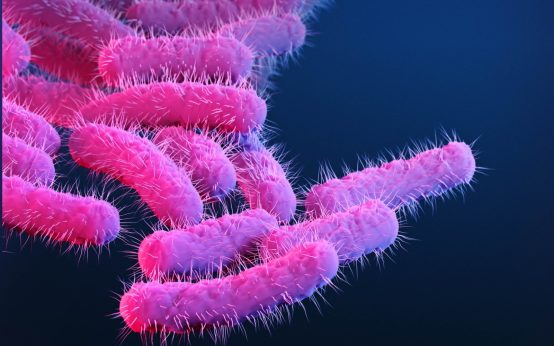 Rising Antibiotic Resistance in Shigella Infections
  Concerns and Legal Battles Over GLP-1 Drugs
  Partner Faces Concerns Over Costly GLP-1 Weight Loss Approach