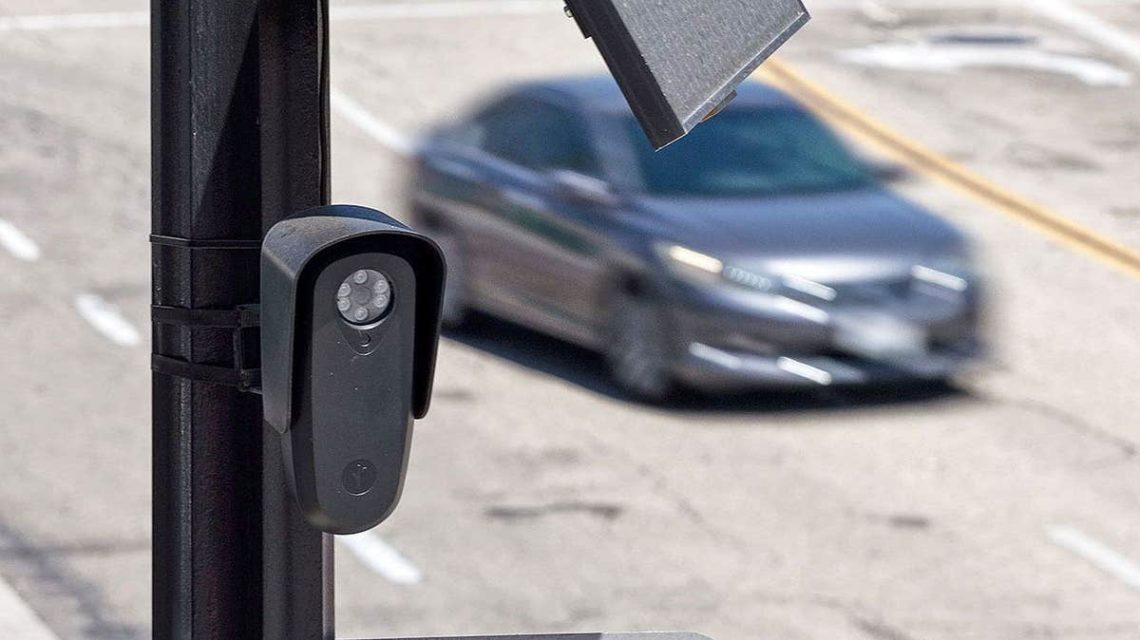
Senator Josh Hawley is seeking information from Flock Safety regarding the impact of its expansive network of AI-powered cameras on privacy. Communities across America are discontinuing the technology amid growing concerns over privacy violations.
Hawley points out that Flock claims over 120,000 cameras across 49 states, conducting more than 20 billion vehicle scans monthly. He aims to investigate the accessibility and use of data collected from millions of Americans. According to Hawley, citizens deserve transparency and clarity on the matter.
There are concerns that Flock’s surveillance network might be creating a searchable national database of Americans’ movements. This development has raised alarms among privacy advocates who argue against mass surveillance and unrestricted collection of location data.
Privacy Concerns
Robert Frommer from the Institute for Justice emphasized the necessity for police to obtain warrants before searching a person’s historical movements. He advocates for judicial oversight to safeguard privacy, suggesting that most law enforcement searches occur shortly after crimes, negating the need for extensive databases.
While immediate searches might be necessary in emergencies, Frommer believes the utilization of such a powerful tool should be subsequent justifiable in court.
Hawley’s inquiry into Flock Safety seeks to assess whether its extensive camera network overreaches traditional local investigations intended by constitutional safeguards.
License Plate Reader Concerns
Flock’s cameras capture details such as license plate, description, location, and time of passing vehicles. The company markets this technology to various entities, including law enforcement and homeowners associations.
Despite arguments supporting the technology’s role in crime-solving, opposition stresses privacy rights. Hawley highlights the distinction between comprehensive surveillance records and ordinary public observation.
Rep. Keith Self shared Hawley’s concerns by asserting that Fourth Amendment rights are non-negotiable, referencing historic warnings against trading liberty for safety.
Community Pushback
The scrutiny has led cities and counties to reconsider arrangements with Flock over data sharing concerns. Pflugerville City Council in Texas, citing community concerns, voted to end its contract with Flock. The city opted to disable the cameras and end access to the system.
Pflugerville’s police chief acknowledged the technology’s effectiveness but emphasized the importance of trust and confidence in privacy standards.
Other regions like Hood County, Texas and Tempe, Arizona have similarly turned off their Flock camera systems, prioritizing privacy and individual liberty. Hood County has disconnected its cameras, citing concerns over constant surveillance conflicting with freedom.
Tempe plans not to replace its Flock system, focusing on recent misuse issues emerging from automated license plate reader systems.
Flock Safety assured cooperation with Sen. Hawley and the Subcommittee for improved understanding of its technology and platform safeguards. The company emphasizes its commitment to resolving errors and maintaining transparency.
Frommer underscored the importance of constitutional protections regardless of the technology provider involved.