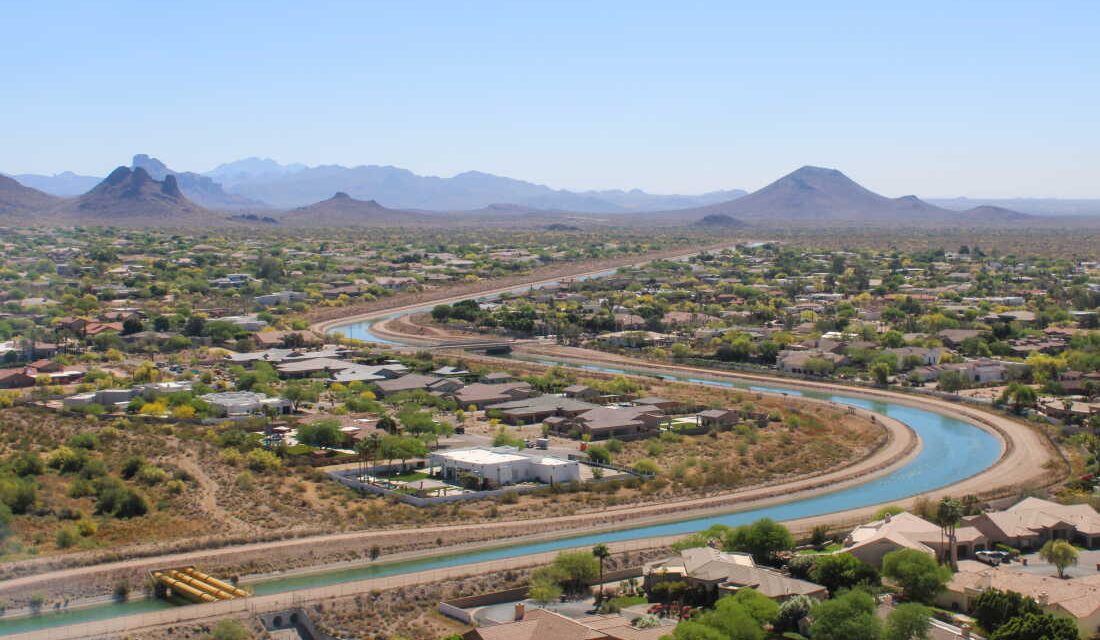
The Central Arizona Project canal, crucial for delivering water from the Colorado River to Phoenix and Tucson, navigates through the city. This 336-mile system faces water supply cuts due to a new strategy for managing the Colorado River. Max Wilson, Phoenix’s water resources management advisor, remains optimistic about maintaining water availability for more than 1.7 million residents.
Starting January 1, a federal plan mandates significant reductions in Arizona’s Colorado River water supply. Years of drought and climate change have depleted the river, leaving the largest reservoirs, Lake Powell and Lake Mead, at record lows. The plan calls for a 27% annual cut through 2028, possibly more afterward.
Phoenix’s reliance on the Colorado River, providing 40% of its water, requires adjustments. The city and neighboring areas have invested in backup systems to ensure continuous water flow. Groundwater and nearby river systems, like the Salt and Verde Rivers, provide alternatives. Despite the expensive infrastructure projects, Wilson reassures that water delivery remains stable.
“There will never be a moment where you go into your house, you turn on your faucet and no water comes out the other side.” – Max Wilson
Phoenix’s water supply diversification, including groundwater and additional river systems, aids in managing reduced Colorado River water. Historical projects, like the construction of Roosevelt Dam, support current efforts. The expansion of Roosevelt Dam in the 1990s and the completion of a $300 million “drought pipeline” are recent examples.
EPCOR USA’s Anthem water treatment plant exemplifies preparations for supply issues. Connected to the Central Arizona Project canal, EPCOR benefits from legal protections on water access, mitigating cuts.
Utility planning focuses on long-term strategies, with expensive infrastructure investments. Gilbert, Arizona, serves as a case study, showcasing the impact of water rate hikes due to rapid infrastructure development. Despite initial backlash, efforts aim to ensure continuous supply even with reduced Colorado River allocations.
Kathryn Sorensen from Arizona State University advocates for higher water rates to encourage conservation. Phoenix’s incremental price adjustments have reduced summertime water usage by 40% since the 1980s.
Uncertainty remains due to unpredictable future adjustments to water allocations. The federal government’s oversight allows up to 40% reductions, challenging local authorities. EPCOR’s Doug Dunham highlights the difficulty in planning around short negotiation cycles.
Water storage through the Arizona Water Banking Authority provides limited relief. Recent negotiations ensured temporary replenishments during initial cutbacks, yet future access remains uncertain.
Suburbs like Cave Creek face greater challenges with fewer resources compared to larger cities. Exchange deals offer temporary solutions, prompting concerns for long-term water security.
The future of Phoenix’s water supply relies on innovation. Construction at the Cave Creek Water Reclamation Plant aims to convert sewage into drinking water by 2029, marking a significant step towards sustainability. A partnership with Mesa, Glendale, and EPCOR will further expand water reuse capabilities by 2033.
Wilson urges federal assistance for such projects, emphasizing their importance for future generations.
 Hurricane Karina Threatens with Dangerous Swells
  Record-Breaking Temperatures Expected to Surpass the Dust Bowl Summer of 1936
  The Race To Rescue The Guadalupe Fescue
  Understanding the True Impact of Heat-Related Deaths in the U.S.
  The Importance of Arctic Security and Economic Development
 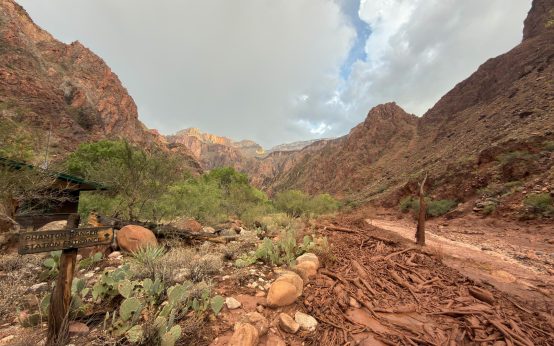 Flash Flood in Grand Canyon: Search for Missing Hikers Underway