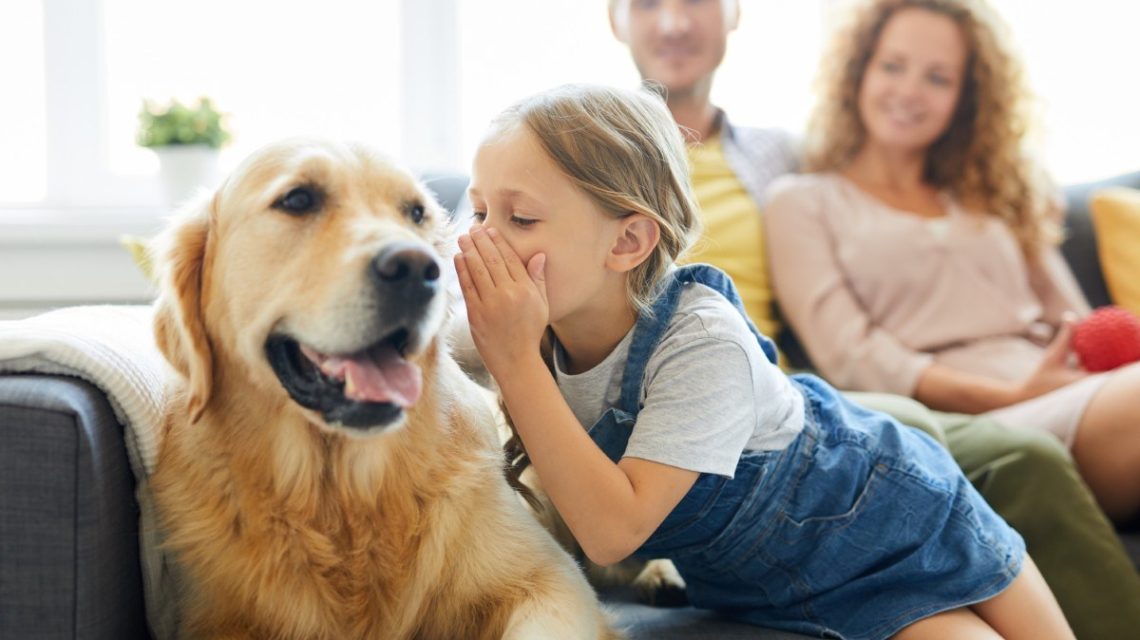
Multiple studies suggest pets impact human health positively, but University of Arizona researchers propose an intriguing theory. They believe not only owning pets affects well-being, but also how owners communicate with them. The team developed a system called AURAL-Pet to study these interactions more deeply. The findings were published in Frontiers in Psychiatry on August 4.
Dara Jonkoski, lead author and Ph.D. student at the University of Arizona, emphasized the potential of these findings. She mentioned, “Understanding how interactions between people and their pets differ can help us determine which human-pet interaction styles may map onto different well-being outcomes—both for the owner and the pet.” If certain variables correlate with better well-being, this could guide owners on improving their interactions with pets.
What The Study Found
The research team tested AURAL-Pet on 5,072 recordings of interactions between people and their pets, using an electronically activated recorder called ‘EAR.’ The study involved 240 participants. Researchers confirmed that their coding system could reliably evaluate future human-pet interaction studies. Jonkoski described AURAL-Pet as a tool for converting everyday audio interactions into a measurable relationship snapshot. It identifies how often and in what ways people engage with their pets.
Recordings revealed that pet owners often narrated their thoughts or described their pets’ behavior. They also frequently discussed everyday topics like the weather and future plans. External experts acknowledge the potential insights this method offers. Megan Mueller from Tufts University called AURAL-Pet an innovative tool for studying human-pet relationships.
Mueller noted how dialogue with pets reflects relationship perceptions. Analyzing these interactions sheds light on everyday pet relations and respective roles in owners’ lives.
What This Means For Human-Pet Interactions
The AURAL-Pet coding system comprises 30 variables representing various human-pet interaction behaviors, such as walking pets and using ‘baby-talk.’ It also considers conversational interactions, treating pets as confidantes. Jonkoski clarified that while the system does not enable actual conversations, it quantifies behaviors already present in human-pet interactions.
AURAL-Pet is currently applied in another University of Arizona project called the C.A.R.E. study. This study involves evaluating mental health and well-being data from adults over 60. The coding system assists in understanding how pet conversations impact the elderly’s well-being. For instance, Jonkoski mentioned that researchers could explore if positive pet interactions align with improved mental health outcomes.
Reference: Jonkoski, D. S., et al. (2026) Cross-species conversations: the development of the AURAL-Pet coding system to capture how people talk to pets in daily life. Frontiers in Psychiatry.
 Maternal Mental Health: The Importance of Mother and Baby Units
  GLP-1 Medications Linked to Hair Loss in Men
  Decreasing Verbal Communication: Concerns for Cognitive Health
  Exploring Cognitive Reserve and Emotional Intelligence in Aging
  Hawaii Reports Cyclospora Cases Amid National Surge
  Inside a Ukrainian Maternity Ward as Russian Strikes Intensify