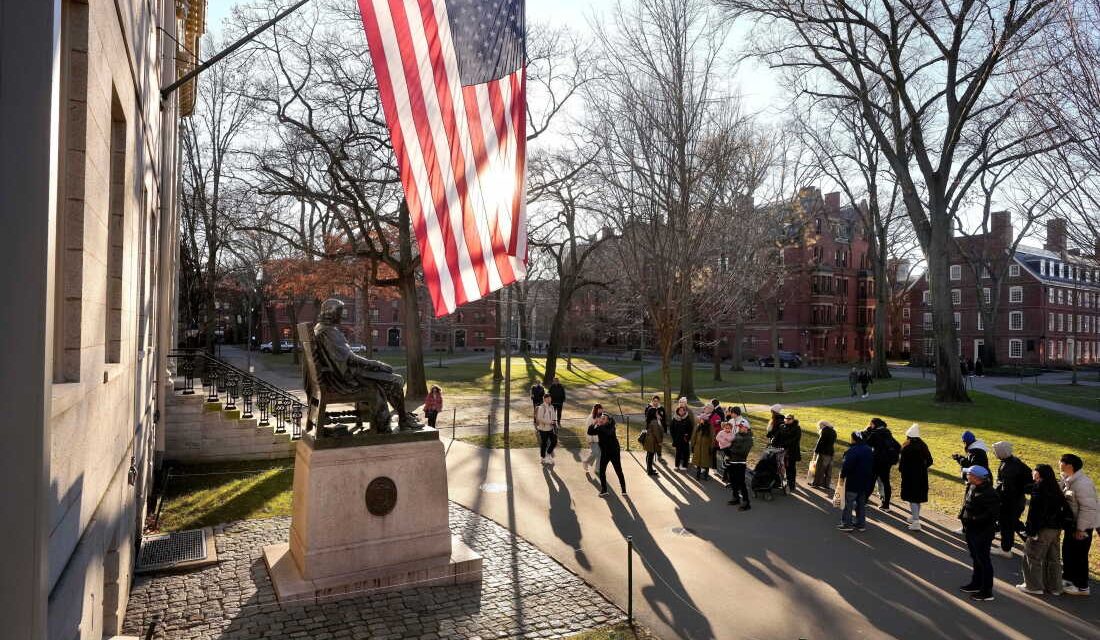
The Trump administration is introducing a proposed regulation that could remove the tax-exempt status of private schools and colleges if they provide targeted assistance based on race. This proposal is part of a broader effort to dismantle diversity initiatives aimed at supporting Black, Hispanic, and other minority students. The Treasury Department revealed this change, which is set to take effect in May 2027 if finalized. The proposal specifically targets benefits in admissions, scholarships, and facilities related to race, stating these would be deemed incompatible.
For years, the Trump administration has pressured educational institutions to eliminate diversity, equity, and inclusion (DEI) policies. These efforts use Civil Rights-era laws to argue that such policies discriminate against white and Asian American students. Mike Gavin, the president and CEO of the Alliance for Higher Education, criticized this move as an attack on access to higher education for working-class Americans and people of color.
Many universities have shut down or renamed their DEI offices and ended scholarships for minority students due to pressure from the White House. Treasury Secretary Scott Bessent clarified that race-based preferences rebranded as equitable or inclusive still face scrutiny. An estimated 18,000 private educational institutions could be impacted by this proposal, affecting a historical tax benefit that has saved universities significant sums annually.
The Trump administration views tax-exempt status as a tool against colleges, describing them as centers of ‘wokeness.’ Previously, Trump threatened Harvard University’s tax-exempt status over similar issues, though Harvard officials argued that it lacked legal standing and would harm financial aid and research.
In the 1970s, Bob Jones University lost tax-exempt status due to a ban on interracial dating. The Supreme Court upheld the IRS’s decision, but the school regained the status in 2017 after policy changes.
Tax-exempt status has a high standard and is rarely challenged by the federal government. It requires organizations to adhere to regulations on lobbying, political activities, and reporting requirements. Despite Trump describing the proposal as a way to restore merit in education, education leaders warn it might reduce donations and create legal uncertainties.
Separate investigations by the Justice Department involve medical schools accused of favoring Black and Hispanic students in admissions, referencing Title IV of the Civil Rights Act. IRS CEO Frank J. Bisignano noted that schools promoting discriminatory practices will lose tax-exempt status.
Historically, both political parties have maintained a high threshold for altering nonprofit status. Before Trump’s presidency, conservative colleges worried about losing status due to codes of conduct barring same-sex relationships. The impact of the Trump administration’s current push will determine potential Democratic responses, should they regain power.
The regulation’s enactment or function as a warning will influence future political strategies regarding educational institution policies.
 Ohio State University Faces Allegations of Incomplete Disclosure of Foreign Ties
  Trump’s Legal Team Challenges Key Aspects of Civil Suit
  President Trump Strategizes Political Spending for Midterms and Future Campaigns
  Trump Orders Review of Gray Wolf Protections Amid Rancher Concerns
  President Trump Criticizes Interest Rates Despite Strong Jobs Report
  Democratic Party Faces Internal Strife Amid Diverse Ideologies