On September 11, 2026, we mark a quarter-century since the 9/11 attacks. James Fallows, a journalist and former speechwriter for the Carter administration, shares insights on the enduring effects of that day.
Historical Turning Points
Certain dates in history signal significant changes. December 7, 1941, with the attack on Pearl Harbor, shifted the U.S. from a stance of isolation to active global involvement. Likewise, the events of September 11, 2001, transformed many aspects of American and global life.
Response to Crisis
The aftermath of September 11 displayed humanity’s resilience. The phrase “We are all Americans,” famously published by Le Monde, captured the international unity felt during this crisis. NATO, for the first time, united to support an ally under attack.
In the U.S., the events inspired widespread respect for first responders and civilians alike. President George W. Bush emphasized that while the attackers claimed to follow Islam, the faith itself was not the enemy. His call for treating fellow Americans with respect resonated deeply across the nation.
Shifts in Policy and Surveillance
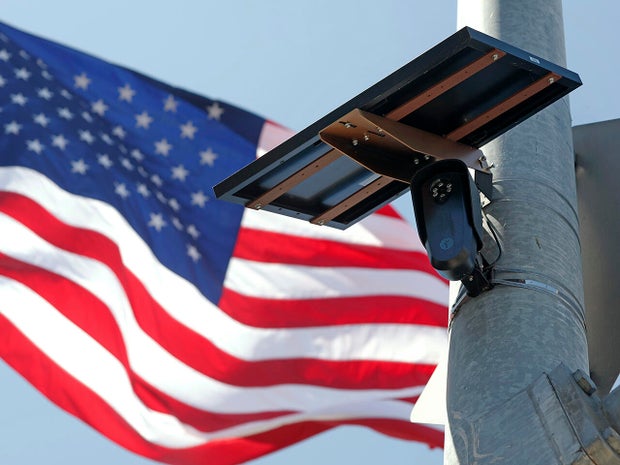
Despite the unity, much has changed, including the creation of the Department of Homeland Security, TSA, and ICE. These agencies began operating with expanded authority compared to their pre-9/11 roles. Moreover, legislation like the Patriot Act laid the foundations for today’s surveillance state.
Before 9/11, local police did not appear ready for combat. The U.S. had not engaged in the Iraq War, which 9/11 served as an excuse to initiate. This period marked the beginning of ongoing military engagements often referred to as “forever wars.” These changes received bipartisan support and have gradually reshaped American life.
Reflecting on Changes
America successfully prevented another large-scale attack, but the societal and cultural shifts remain noteworthy. The nation’s history includes other pivotal moments, such as post-Civil War Reconstruction, and the isolationist stance of the 1920s and ’30s during the rise of fascism in Europe.
As we look towards the future, there is hope that the U.S. will continue to evaluate its identity and aspirations. It’s crucial to understand where we’ve been to shape where we go from here.
Further Reflections on 9/11
- Andrew Card on the moment everything changed
- Robert De Niro on revitalizing Lower Manhattan
- The role of Gander in providing refuge
- Transforming tragedy into art
For additional insights, refer to James Fallows on “Breaking the News” on Substack.
 Supreme Court Asked to Intervene in Mail-In Voting Dispute Ahead of Midterms
  Congressional Candidate Cait Conley’s Stance on Democratic Socialists and Campaign Strategy
  Gavin Newsom Navigates Political Challenges in South Carolina
 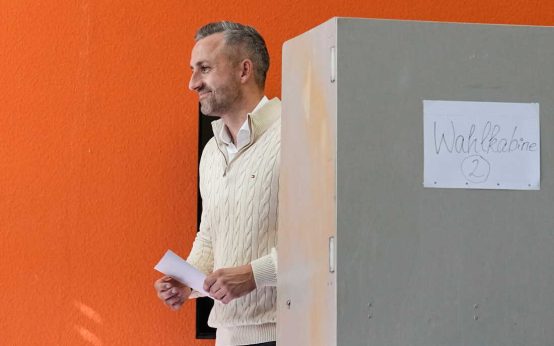 AfD Leads in Saxony-Anhalt Elections, Faces Uncertainty in Forming Government
 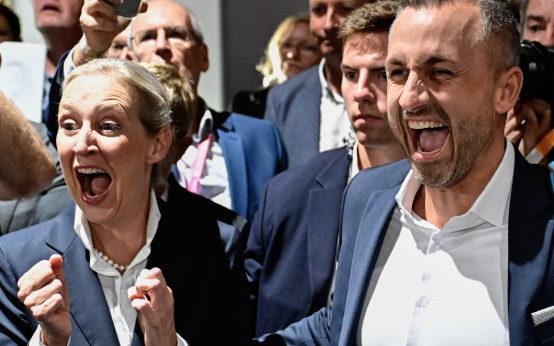 Germany’s AfD Achieves Historic Win in Saxony-Anhalt Election
 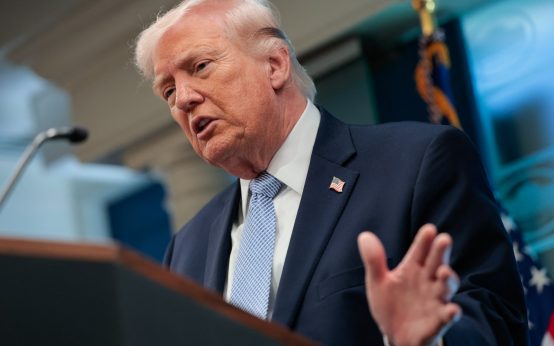 Republican Support for Trump’s Iran Policy Weakens Ahead of Midterms