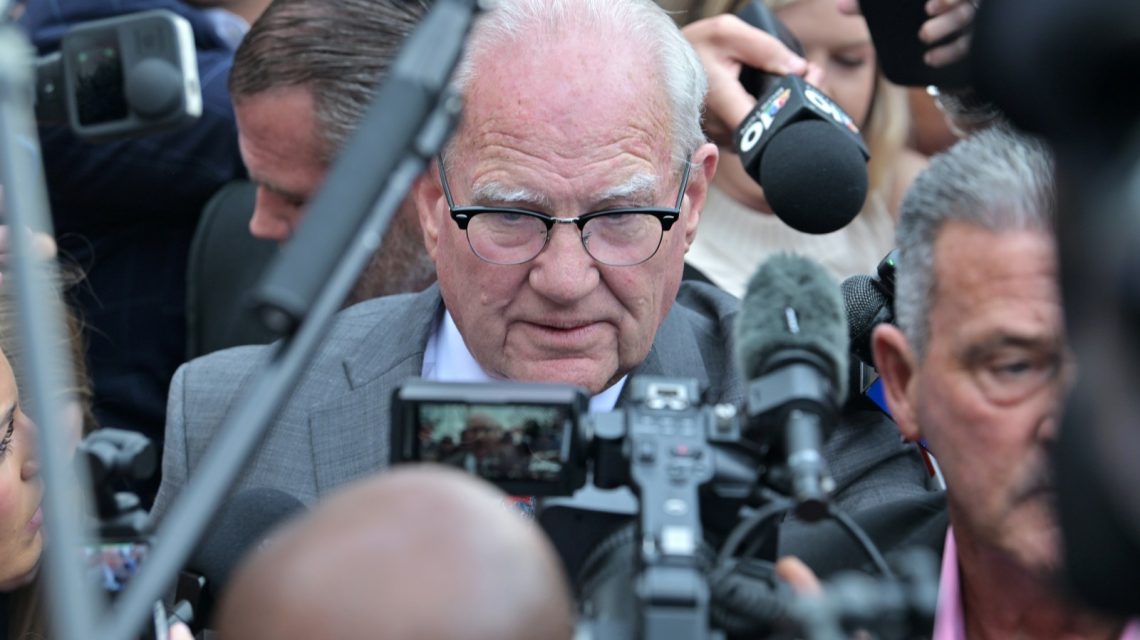
Attorney Requests Pardon for Lindsay Clancy
Lindsay Clancy’s defense attorney, Kevin Reddington, has publicly appealed to President Donald Trump to pardon his client. This request came following the mistrial in Clancy’s murder trial, where she is charged with the deaths of her three young children in Duxbury, Massachusetts, in January 2023. Reddington, in an interview with ABC’s Good Morning America, urged the president to consider Clancy’s circumstances.
Limits of Presidential Pardon Power
While Reddington’s appeal to Trump has brought attention to the case, the president’s pardon power does not extend to state crimes. Clancy’s charges in Massachusetts fall under state law, meaning any potential pardon would need to come from the Massachusetts governor. Currently, Democrat Maura Healey holds this position and has the authority to grant clemency. Clancy has not been convicted, as the trial ended in a mistrial after the jury was unable to reach a unanimous verdict.
Defense Strategy and Trial Outcome
Reddington’s defense focused on Clancy’s alleged postpartum psychosis, arguing she was not criminally responsible due to hallucinations affecting her actions. Despite his confidence in the case presented during the trial, Reddington criticized the lone juror preventing a unanimous verdict, asserting that the juror did not follow the law. Prosecutors, however, contended that Clancy planned the killings. The deadlock has left prosecutors considering whether to pursue another trial.
Perspective from Jonathan Turley and Expected Developments
Constitutional law attorney Jonathan Turley questioned the strategy of requesting a pardon from Trump, emphasizing the limitation of presidential pardon power for state offenses. Turley noted the high likelihood of a retrial given the strong positions taken by both sides during the first trial. Moreover, Turley highlighted the challenge of finding impartial jurors due to the intense public interest in the case.
Pardon Precedents and Trump’s Comments
Historically, federal pardons have been granted even before conviction, as demonstrated by President Gerald Ford’s pardon of Richard Nixon. Trump commented on Clancy’s trial following the mistrial, acknowledging the tragedy and anticipating additional legal proceedings. He suggested that the outcome could involve a mental institution or jail.
The Mistrial and Future Proceedings
The mistrial resulted from a jury deadlock after extensive deliberations. The defense argued that postpartum psychosis impaired Clancy’s understanding and control, while prosecutors presented evidence of premeditation. Reddington unsuccessfully challenged the holdout juror during deliberations. Moving forward, Massachusetts prosecutors must decide their next steps amid unresolved legal questions.