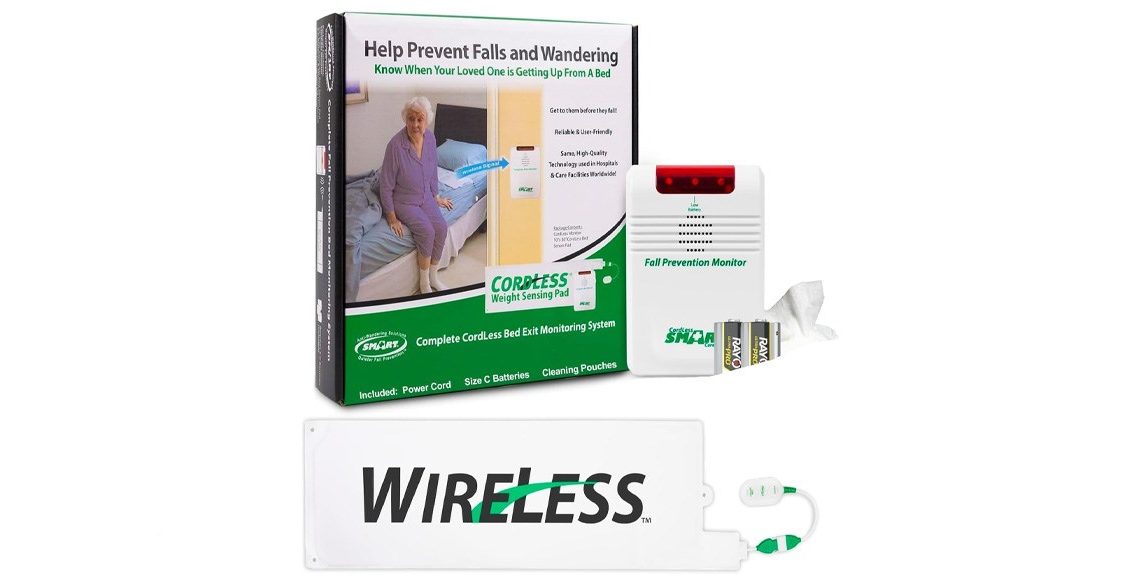
Bed alarms are essential tools for caregivers, offering reassurance when they cannot be physically present. These devices come in various forms and include features to ensure patient safety.
Best Bed Alarms
The Smart Caregiver Wireless Bed Alarm System is widely considered the top choice. It features a wireless monitor with a range of up to 300 feet. This setup prevents disturbing the patient with loud alarms.
Types of Bed Alarms
There are three primary types of bed alarms:
- Clip Alarms: These attach to the patient’s clothing and trigger an alarm if disconnected. They are affordable and simple but require patient cooperation.
- Motion Alarms: These detect movement in specific areas, such as bed edges. They can be linked to monitor multiple zones, providing comprehensive surveillance. They are generally more expensive and sensitive to any crossing motion.
- Pad Alarms: The most common type, these alarms are placed under the patient and activate if pressure is no longer detected. They are user-friendly and moderately priced but might be uncomfortable.
Power Source
Most bed alarms are powered by batteries, eliminating the risk of tripping over cords and ensuring functionality during power outages.
Features of Quality Bed Alarms
A high-quality bed alarm should include:
- Sensitivity: Choose a sensitivity level suitable for the patient. Low sensitivity is best for those who frequently move.
- Alarm Delay: This feature prevents false alarms for patients who move often but return shortly.
- Wireless Operation: Ideally, alarms should be wireless to avoid tripping hazards and allow portability.
- Adjustable Volume and Tone: It is crucial to control the alarm’s volume to avoid discomfort while ensuring it can be heard.
- Call Functionality: Some alarms include call buttons for signaling needs or communication via intercom.
- Waterproofing: Essential for pad alarms, especially for patients prone to spills or incontinence.
- Status Lights: These indicate various statuses, like low battery or triggered alarm.
Cost
Bed alarms range from $20 to over $200. Low-cost alarms are generally under $50, while average-priced options range from $50-$100. Feature-rich alarms start at around $150.
Durability
Alarm longevity varies. Pad alarms may last about a year, whereas others depend on battery life and wear and tear.
Safety Considerations
If your patient has a pacemaker, ensure the alarm does not use magnets to avoid interference.
Top Bed Alarms to Consider
Smart Caregiver Wireless Bed Alarm System
This system keeps the alarm outside the room, minimizing patient disturbance.
- 10×30 inch weight-sensitive pad.
- Soft vinyl and foam construction with sealed battery for protection.
- Estimated life span of one year.
Some users experience challenges with setup while others receive pre-activated pads, reducing lifespan.
Patterson Medical Sammons Preston Magnet Bed Alarm
A budget-friendly clip-based option.
- Compact design with adjustable cord length up to 30 inches.
- Features a red light indicator for triggered alarms or low battery.
Some users find the alarm too quiet or difficult to change the battery.
Secure Bed Exit Alarm Set
This midrange alarm includes useful features.
- Short delay to minimize false alarms.
- Automatically turns off when patient returns to bed.
- 12×30 inch pad with latex-free, fluid-proof cover.
Some users report loudness issues and note it requires battery removal to switch off.
 Long-Term Health Effects from 9/11 Exposure
  Understanding Sudden Adult-Onset Food Allergies
  Study Finds Fetal Exposure to Paracetamol May Affect Ovarian Development in Girls
  Humana’s Medicare Advantage Plan Changes and Implications for 2027
  Prescription Weight-Loss Medications Linked to Increased Mental Health Risks
  Impact of Immigration Policies on Children and Families