
Seth Doane, a CBS News correspondent, has been based in Rome since 2016. He has reported on diverse issues from migration to climate change, and traveled with Pope Francis during his Vatican coverage.
As a child, Elizabeth Connolly discovered a box of toy soldiers in her father’s drawer. She was curious about an envelope of photos she found beside them, noting they didn’t resemble any relatives she knew. Her father, Carrol Walsh, was a U.S. Army sergeant during World War II. He kept these photos from a fellow tank commander, whom he described encountering while transporting Holocaust survivors in 1945 Germany.
“I would go in and I would play with them, and I would set them all up on the floor,” Elizabeth said, reflecting on her childhood. The soldiers and photos fascinated her as she grew up in Upstate New York.
In April 1945, Walsh and his unit discovered a halted train near Magdeburg, Germany. Inside were 2,500 Jewish prisoners from Bergen-Belsen. His unit stopped and provided medical care to the distressed passengers.
Elizabeth’s son’s teacher, Matt Rozell, took an interest in this story when collecting veteran oral histories in 2001. During an interview with Walsh, Rozell learned about the train. This sparked Rozell’s commitment to documenting a relatively unknown historical tale.
Rozell shared this account online, connecting with both survivors and liberators. Inspired, he wrote the book, “A Train Near Magdeburg.” He organized reunions of former soldiers with those they liberated, including Peter Lantos, now a well-known neuroscientist.
Lantos, who was only five years old on the train with his mother, recalls the liberation vividly. Though he prefers not to discuss those days, he recognizes a moral duty to bear witness, stating, “We are the last survivors.”
The train incident reveals the disarray towards the end of WW II, providing a snapshot of humanity in action. Historian James Bulgin attributes its retelling to fate. Rozell never anticipated its impact when initially documenting the event.
Filmmaker Mike Edwards discovered new photos from the train’s liberation for his documentary, “A Train Near Magdeburg.” He shared these images with Bulgin, offering fresh perspectives on Holocaust history.
Edwards invested over a decade in this film, screening excerpts for students. He highlighted, “You are going to have a choice of whether to care about somebody or not. May you remember this story.”
Matt Rozell, now retired from teaching, emphasizes the educational importance of such stories. He urges the retention and teaching of these memories, reminding us, “We all say, ‘Never forget.’” But it’s crucial we first learn the history.
Learn more from Rozell’s book, “A Train Near Magdeburg”, available in various formats, and watch for Edwards’ documentary soon.
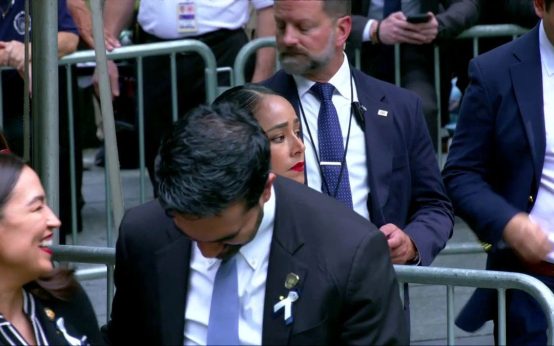 Controversy Surrounds Ocasio-Cortez and Mamdani at 9/11 Memorial
  Ms. Rachel Criticizes Silence on Palestinian Children’s Deaths
 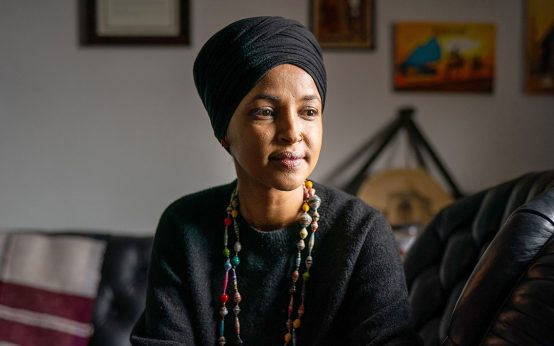 White House Confirms Investigation Into Rep. Ilhan Omar’s Alleged Immigration Fraud
 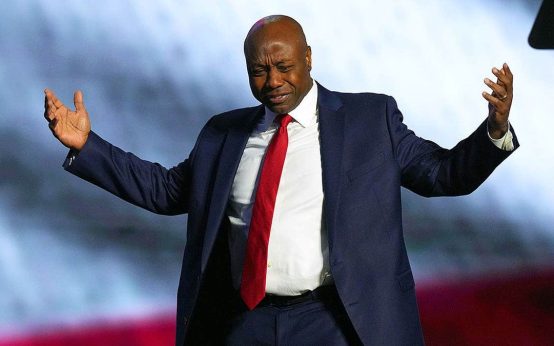 Sen. Tim Scott Responds to Criticism from ‘Morning Joe’
  House Speaker Mike Johnson Declines to Assure Trump’s Proposed $5,000 Payments
  Trump Sparks Controversy Over Northern Ireland Comments